Local elections in England choose the councillors and mayors who run services such as waste collection, planning, housing, social care, and local transport. A complete voting checklist starts with registration, then photo ID, polling station details, and the correct voting method for the day.
- What is a local elections voting checklist?
- Who can vote in local elections in England?
- What should you check before polling day?
- What photo ID do you need to vote?
- What do you need to bring on election day?
- How does voting in person work?
- What if you vote by post or proxy?
- Why do local elections matter?
- What happens if your details are wrong?
- What is the best election day routine?
- Why does this checklist stay relevant?
What is a local elections voting checklist?
A local elections voting checklist is a simple preparation list for voting correctly on election day. It confirms your registration, your photo ID, your polling station, your voting method, and the deadline rules that apply in England.
Local elections in England are part of the local government system. Councils are the public bodies that make decisions on services such as bin collections, social care, housing, roads, planning applications, and local environmental enforcement. A voting checklist prevents avoidable problems at the polling station and helps voters cast a valid ballot without delay.
The basic checklist covers five areas: electoral registration, accepted photo ID, poll card details, the correct polling station, and the choice between in-person, postal, or proxy voting. These rules apply to local elections in England, where in-person voters must show photo ID at polling stations.
Who can vote in local elections in England?
You can vote in local elections in England if you are registered, eligible under the law, and resident in the area for the election. In England, registration starts at age 16, but voting begins at age 18, and eligible citizens include UK, Irish, qualifying Commonwealth, and some qualifying EU citizens.
The Electoral Commission states that people in England can register to vote if they are 16 or over, but they cannot vote until they are 18. Eligible voters include UK citizens, Irish citizens, qualifying Commonwealth citizens living in the UK, and qualifying EU citizens living in the UK. The government’s voter registration service also lets electors update a name, address, or nationality by registering again with new details.
Registration is essential because polling stations check the electoral register before issuing a ballot paper. If your name is not on the register, you do not receive a ballot paper at the polling station. That makes registration the first item on any serious election-day checklist.
What should you check before polling day?
Before polling day, confirm that you are registered, know your polling station, and have the correct photo ID ready. Also check whether you are voting in person, by post, or by proxy, because each method follows different rules and deadlines.
The poll card arrives shortly before an election and tells you when to vote and where to vote. You do not need to bring the poll card to vote, but it helps confirm your polling station. If the card does not arrive, or if the address is wrong, the local electoral registration office can help.
Voting method matters. In-person voting happens at the polling station on election day, postal voting uses a ballot pack sent in advance, and proxy voting lets another person vote on your behalf under the legal rules for that arrangement. A checklist should therefore include a final review of your chosen method and the deadline attached to it.
What photo ID do you need to vote?
You need one original accepted form of photo ID to vote in person at a polling station in England. The ID must be physical, not a photocopy or digital image, unless an eVisa is being used.
The Electoral Commission states that voters in England need photo ID to vote at polling stations in all elections, including local elections. Accepted documents include passports, driving licences, certain concessionary travel cards, and other approved identity documents. Only one form is required.
If you do not have accepted ID, you can apply for a free Voter Authority Certificate. The government says the application asks for a digital photo and a National Insurance number, although other identity documents can be used if you do not have a National Insurance number. This certificate exists specifically so eligible voters do not lose access to in-person voting because they lack a qualifying photo ID.
What do you need to bring on election day?
Bring your accepted photo ID and go to the polling station shown on your poll card or confirmed by your council. You do not need to bring your poll card, but you should bring the correct ID and arrive with enough time before polls close.
Polling stations in England are normally open from 7am to 10pm. If you are in the queue by 10pm, you are allowed to vote. That timing rule matters because late arrival without enough time to complete identity checks can prevent you from voting before the close of poll.
At the polling station, staff check your name and address against the register, verify your photo ID, and then issue your ballot paper. You then mark the ballot in private and place it in the ballot box. The process is designed to confirm identity, preserve secrecy, and record the vote in a controlled way.
How does voting in person work?
Voting in person begins with identity checks, continues with ballot issue, and ends when the completed ballot goes into the box. The voter states their name and address, shows photo ID, receives a ballot paper, and votes in secret inside the polling booth.
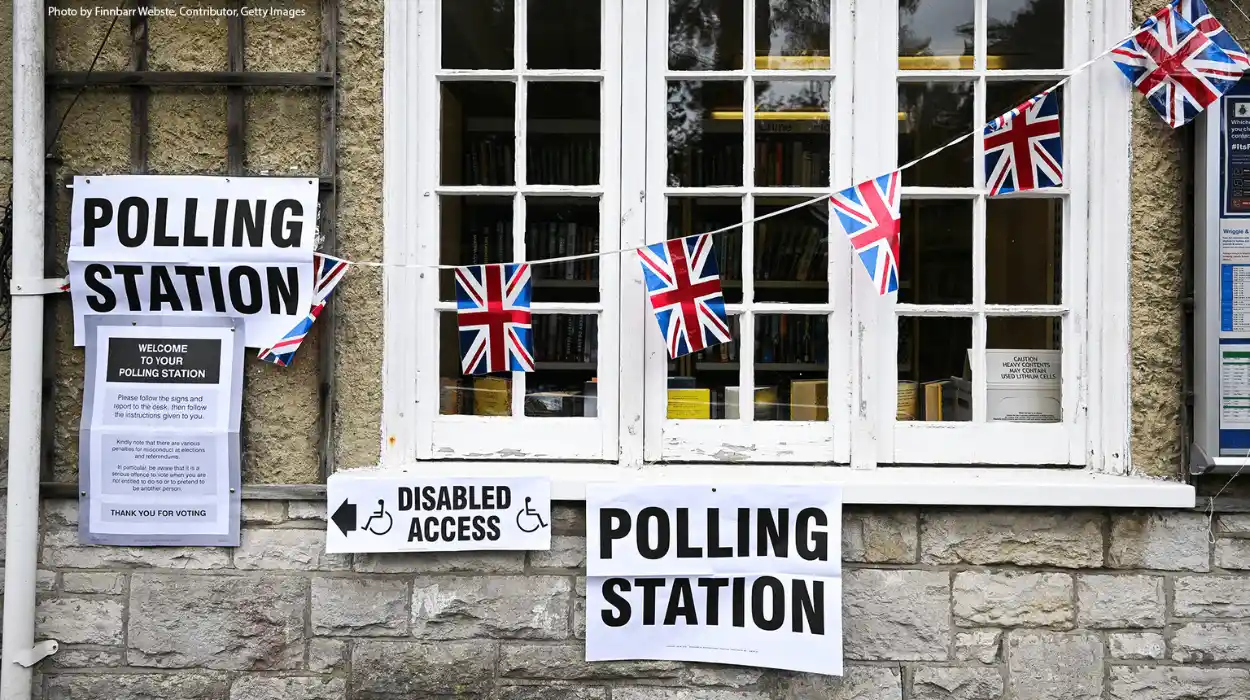
Polling stations use council-appointed staff, including a presiding officer and poll clerks, to manage the process. Their role is to protect the integrity of the vote and confirm each voter’s eligibility. The polling station is usually a school, village hall, or another public building.
The voting process is straightforward. The staff check the register, confirm the voter’s identity, hand over the ballot paper, and direct the voter to the booth. After the ballot is marked, it goes into the ballot box for counting after the poll closes. This structure exists to make the election both secret and auditable.
What if you vote by post or proxy?
Postal voting and proxy voting are separate from in-person voting, and both need advance preparation. Postal voters use a ballot pack, while proxy voters authorise someone else to vote for them under the legal procedure for that election.
Postal voters receive a pack containing the ballot paper, a postal voting statement, and return envelopes. The statement requires the voter’s name, signature, and date of birth, and the vote must be returned in time to reach the returning officer by the deadline. The Electoral Commission notes that polling day is also the last day for returning postal votes.
Proxy voting works differently because another person casts the vote on your behalf. That option exists for voters who cannot attend the polling station in person and who have arranged a proxy under the rules for that election. A practical checklist should therefore include whether the voter has already completed the proxy application and confirmed acceptance.
Why do local elections matter?
Local elections matter because councils control services that affect daily life, including waste collection, housing, planning, roads, and social care. They also shape political control in England, where more than 4,000 council seats have been contested in large election years.
The BBC explains that local councils are responsible for essential services such as social care, waste collection, and urban planning. The Local Government Association says councils are the core local authorities in England and represent a large part of the country’s democratic structure. This means local elections decide who sets local priorities, spending decisions, and service delivery standards.
Local election turnout and results also signal wider political trends. Oxford University and the BBC both describe English local elections as important indicators of public sentiment between general elections. In 2025 and 2026, the scale of council contests remained substantial, with thousands of seats and multiple mayoral races involved in England-only election cycles. That scale gives local elections significance beyond the individual ward level.
What happens if your details are wrong?
If your registration details, address, or polling station information are wrong, you need to fix them before election day through the electoral registration office or the government registration service. Incorrect details can stop you from voting at the wrong polling station or create a mismatch during identity checks.
The poll card identifies the polling station for your registered address, and you can only vote at that location. If you move house, change your name, or change nationality details, you can update the register by registering again with new information. This is important because the polling station team checks the register exactly as it appears on election day.
A mismatch in name or address creates unnecessary delay even when a voter is otherwise eligible. The safest practice is to verify registration well before polling day, confirm the correct polling place, and check the wording on your photo ID against your register entry. That reduces the risk of being turned away after arrival.
What is the best election day routine?
The best routine is to verify registration early, prepare accepted photo ID, check your poll card, travel to the correct polling station, and vote before closing time. That routine covers the legal requirements and removes the most common voting errors.
Start by checking your registration and address details several days before polling day. Then place your accepted photo ID somewhere secure and easy to reach. After that, confirm the polling station location on your poll card or through your council.
On the day, arrive with enough time to clear identity checks and cast your ballot before 10pm. If you plan to vote by post or proxy, complete that process well before the final deadline and keep the relevant documents accessible. A disciplined routine protects the vote and avoids last-minute failure at the polling station.
Why does this checklist stay relevant?
This checklist stays relevant because the legal basics of voting in England remain stable: register, bring accepted photo ID, use the correct polling station, and vote within the deadline. Those rules apply across local elections, by-elections, and other English polling station votes.
Election administration in England now includes photo ID at polling stations and clear procedures for in-person voting. Since the rule applies across local elections, voters benefit from repeating the same preparation steps for every poll. That makes a voting checklist an evergreen civic tool rather than a one-off reminder.
The broader relevance is practical as well as democratic. Local elections determine who oversees public services, local spending, and planning decisions, so the ability to vote smoothly matters in every electoral cycle. A clear checklist helps voters participate without confusion, delay, or preventable rejection at the polling station.