Key Points
- Councillor Charles Whitford of Markfield, Desford and Thornton breached Leicestershire County Council’s code of conduct on four counts following complaints about his emails regarding St George’s flags on lamp-posts in Markfield.
- The breaches include failing to treat the public with respect, bullying or harassing individuals, not promoting equalities, and bringing the councillor’s role or council into disrepute.
- Whitford, initially a Reform UK cabinet member for highways, transport and waste, sent emails using “inflammatory tropes” about Sharia Law and “Islamic colonisation” of Britain, accusing one complainant of being “anti-British”.
- Four residents complained in September about unauthorised flags, citing legality, safety, and impact; Whitford’s responses were deemed “dismissive, personalised and/or confrontational” by investigator Alex Oram.
- Whitford was stood down from his cabinet role by council leader Dan Harrison, later quit Reform UK to join MP Rupert Lowe’s Restore Britain party.
- Panel sanctions: formal censure, full public apology to be read at council meeting on 13 May, and a monitoring officer’s letter published on council website for six months.
- Whitford apologised for “unprofessional” responses, accepted the decision, noting personal costs including lost cabinet position, party membership, and allowance.
- Emails referenced “Operation Raise the Flags” movement motivated by patriotism, but claimed flags rejected “destruction of British values” amid “influx of mainly Muslim men of fighting age” aiming for a “Muslim state”.
- One complainant felt threatened after Whitford warned of publicising their identity.
- Additional complaints about fake social media accounts and undeclared directorship in Appchatz Ltd were noted but not pursued further: former as proportionality issue, latter as technical breach without financial gain.
- Panel member Pamela Roberts highlighted demeaning responses ignoring safety concerns, potentially chilling public engagement.
- Whitford cited inexperience since May 2025 election; panel recommended training for new councillors, especially cabinet members.
- Investigator Alex Oram stressed councillors must uphold higher standards, allowing free speech but not personal rudeness or insults.
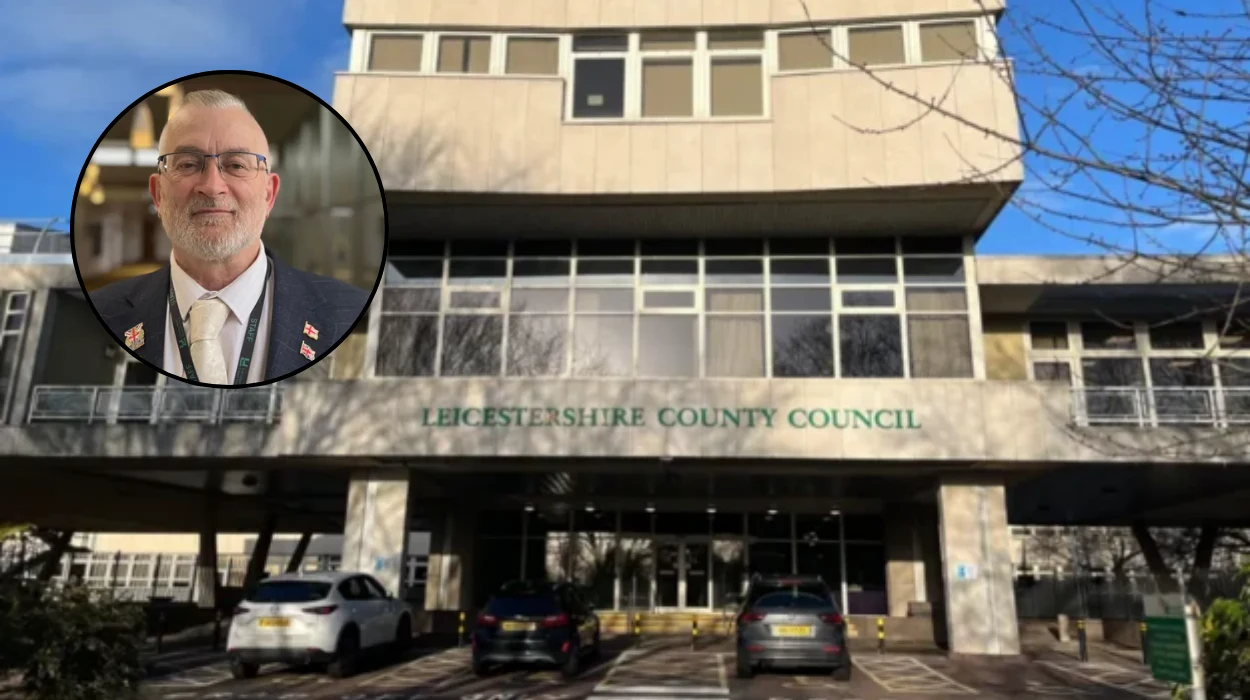
Whitford (Britain Today News) May 5, 2026 – A panel has found that Councillor Charles Whitford breached conduct rules by sending “bullying” and “intimidating” emails to residents who raised concerns over St George’s flags on lamp-posts in Markfield last September.
- Key Points
- What Triggered the Complaints Against Councillor Whitford?
- What Did Whitford’s Emails Contain?
- How Did Whitford Respond During the Hearing?
- What Were the Panel’s Specific Findings?
- What Sanctions Did the Panel Impose?
- What Is the Broader Context of the Flag Controversy?
- How Has Whitford’s Political Career Been Affected?
- What Recommendations Emerged from the Hearing?
- Implications for Public Trust in Local Councillors?
What Triggered the Complaints Against Councillor Whitford?
The controversy erupted when residents in Markfield contacted Councillor Whitford about unauthorised St George’s flags erected on lamp-posts. As reported in coverage from various outlets, four individuals lodged formal complaints, focusing on the flags’ legality, potential safety risks, and their impact on the community. These complainants felt their legitimate worries were dismissed.
Investigator Alex Oram, hired by the council, detailed in his report how Whitford’s replies were
“dismissive, personalised and/or confrontational”.
Oram noted the emails failed to address core issues like safety and legality, instead leaving recipients feeling “belittled and/or intimidated”. One resident described the experience as “very intimidating”, particularly after Whitford threatened to reveal their identity publicly.
The flags were part of a broader social media-driven initiative called Operation Raise the Flags. Supporters framed it as an expression of pride and patriotism, aiming to “reject” what they saw as the “destruction of British values”. However, tensions simmer amid national debates on immigration, with the St George’s Cross sometimes linked to far-right sentiments, causing discomfort for some.
What Did Whitford’s Emails Contain?
Whitford’s correspondence, as presented to the panel and outlined in the published investigation report, included strong language. He referenced an
“influx of soon to be millions of mainly Muslim men of fighting age”
and warned of immigrants seeking to turn the UK into a “Muslim state”. These remarks invoked “inflammatory tropes” about Sharia Law and “Islamic colonisation” of Britain.
In one exchange, Whitford accused a complainant of being “anti-British”. This prompted a resident to retort that such words were “whipping up hatred”. The panel scrutinised these emails during Tuesday’s hearing, where Whitford appeared in person.
Alex Oram emphasised to the panel:
“Whilst you can say things that are going to offend people, you are not allowed to be personally rude and insulting.”
He added that councillors must adhere to higher standards in public communications.
How Did Whitford Respond During the Hearing?
Councillor Whitford, representing Markfield, Desford and Thornton, expressed remorse before the panel. He described his emails as “unprofessional” and stated:
“I have learnt from this obviously and it has cost me dearly. My position on cabinet – gone. My future with Reform – gone, and my allowance – gone. Whatever you choose to do with me, it cannot be worse than I have already received.”
Whitford underscored the importance of free speech but accepted the panel’s findings fully. He attributed some of his responses to inexperience, having been elected in May 2025. At the time, he held the Reform UK cabinet portfolio for highways, transport and waste under council leader Dan Harrison, who later stood him down temporarily.
Whitford has since left Reform UK to join Restore Britain, the party of MP Rupert Lowe.
What Were the Panel’s Specific Findings?
The conduct panel unanimously determined four breaches of Leicestershire County Council’s code:
- Failing to treat members of the public with respect.
- Bullying or harassing a person.
- Not promoting equalities.
- Bringing the role of councillor, or the council, into disrepute.
Independent panel member Pamela Roberts remarked:
“What I found a little bit perturbing was on the aspect of not treating people with respect. The responses to the complainant seemed to ignore their concerns about safety and intimidation in their own homes, and went straight into questioning their anti-British-ness and political views. I think that was demeaning and could also be very intimidating for them.”
Roberts warned:
“The responses that were sent out could have a chilling and long-lasting effect on the public’s engagement with councillors in the future, particularly if they think they are going to write in with a complaint and get a very dismissive, and sometimes aggressive, response back.”
What Sanctions Did the Panel Impose?
The panel mandated formal censure for Whitford. He must deliver a full public apology at the council meeting on 13 May. Additionally, the council’s monitoring officer will publish a letter detailing the decision on the authority’s website for six months.
No further action was recommended on secondary complaints. Allegations of Whitford using or linking to “fake” social media accounts commenting on the Markfield flags were sidelined “on proportionality grounds”. A “technical breach” involving his undeclared directorship in Appchatz Ltd was acknowledged, but dismissed absent evidence of financial gain; Whitford believed the company dissolved.
What Is the Broader Context of the Flag Controversy?
Operation Raise the Flags gained traction online, with participants citing patriotism amid perceived cultural shifts. Flags appeared across England, often on public infrastructure without permission. In Markfield, this sparked local backlash, highlighting divides over national symbols, immigration, and community safety.
Nationally, St George’s Cross displays have intensified during periods of social tension, sometimes associating with anti-immigration protests. Complainants worried about precedent and hazards, such as flags interfering with lamp-post functions or escalating neighbourhood friction.
How Has Whitford’s Political Career Been Affected?
Whitford’s cabinet dismissal marked an immediate fallout. His switch to Restore Britain followed the Reform UK exit. The breaches tarnish his record early in his term, with lost allowances compounding professional setbacks. He faces ongoing scrutiny as a vocal figure on local issues.
What Recommendations Emerged from the Hearing?
The panel urged enhanced training for new councillors, particularly those in cabinet. Whitford’s inexperience factored into their deliberations, prompting calls for better support to prevent similar incidents. This aims to equip elected officials with skills for respectful, effective public engagement.
Implications for Public Trust in Local Councillors?
This case underscores expectations for civility in representative roles. Oram’s testimony reinforced that while robust opinions are permissible, personal attacks erode trust. Roberts’ concerns about a “chilling effect” highlight risks to democratic participation if constituents fear reprisal.
The hearing, held Tuesday before a Leicestershire County Council panel, drew on comprehensive evidence, including full email exchanges. Whitford’s apology and acceptance signal accountability, yet the episode exposes fault lines in how elected officials navigate contentious local disputes.
As Markfield residents reflect on the flags’ removal and lingering tensions, the council’s response seeks to reaffirm standards. Broader lessons may influence training protocols, ensuring future interactions prioritise respect over rhetoric.