Key Points
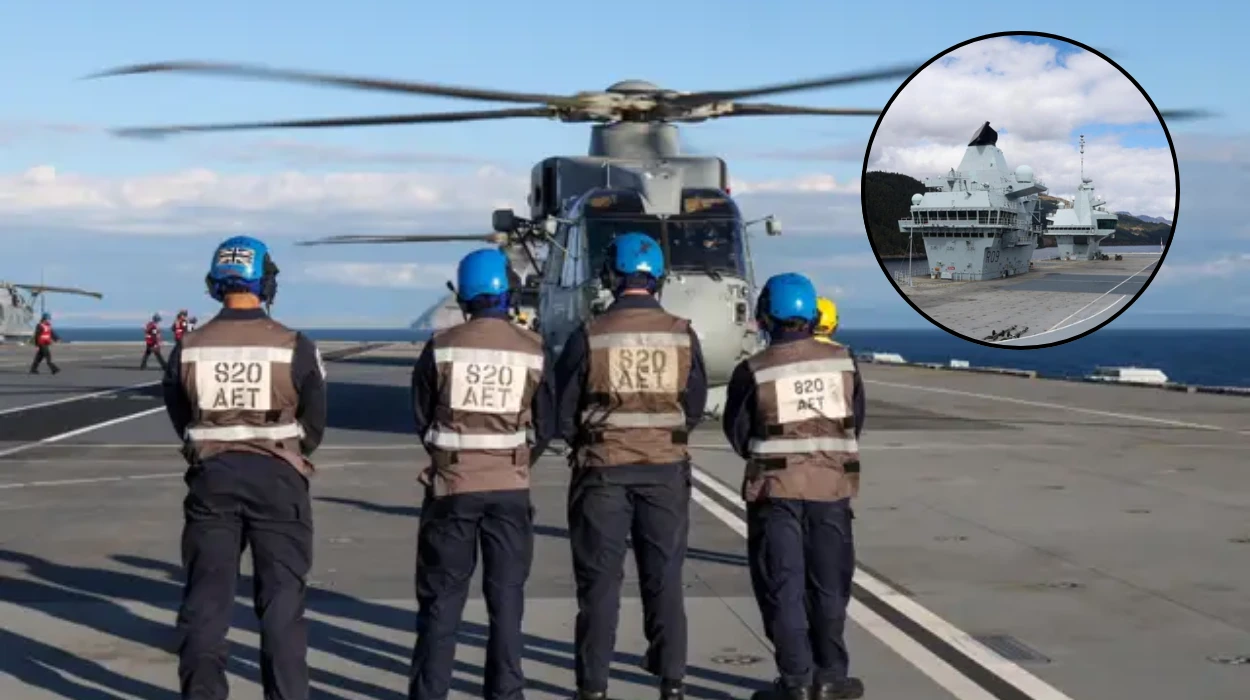
- HMS Prince of Wales, the UK’s largest warship and a Queen Elizabeth-class aircraft carrier, has set sail from Glen Mallan jetty in Loch Long, Argyll and Bute, Scotland.
- The deployment aims to provide security in the Atlantic and High North regions, working with Nato and the Joint Expeditionary Force (JEF).
- The carrier, normally based in Portsmouth, is joined by Type 45 destroyer HMS Duncan and tanker RFA Tidespring.
- First stop is Bergen waters in Norway for training drill Tamber Shield with Norwegian counterparts.
- The fleet will then move to the High North for anti-submarine training exercise Dynamic Mongoose in northern Europe.
- Commanding Officer Captain Ben Power stated: “HMS Prince of Wales stands ready as the nation’s flagship to demonstrate the United Kingdom’s commitment to Nato and the Joint Expeditionary Force. My thanks go to our families who continue to show unwavering support as we deploy for a period away from home waters.”.
- Commander James Mitchell of HMS Duncan said: “As a Type 45 destroyer, HMS Duncan brings world-class air defence capability to the Carrier Strike Group, providing essential protection to HMS Prince of Wales and other high-value units. Training alongside our allies in the North Atlantic and High North strengthens our ability to operate as an integrated and resilient force.”.
- Captain Terry Barke RFA of RFA Tidespring remarked: “It is exciting for RFA Tidespring to play another essential role in extending the limits of the Royal Navy and Nato allies, putting training into practice and providing specialist support.”.
- Commodore Rich Hewitt commented: “This 2026 deployment delivers a clear signal of the UK’s steadfast commitment to working with regional partners and securing Europe’s northern flank. In an increasingly volatile environment, our integration with partner nations is vital to safeguarding our mutual interests.”.
- The mission underscores the Royal Navy’s role in countering heightened submarine threats in the region.
United Kingdom (Britain Today News) May 6, 2026 – HMS Prince of Wales, the Royal Navy’s flagship and the United Kingdom’s largest warship, departed from Glen Mallan jetty in Loch Long today, embarking on a critical deployment to Nordic waters to bolster security in the Atlantic and High North.
- Key Points
- What is HMS Prince of Wales’ Deployment Route?
- Why is This Deployment Crucial for UK Security?
- Who Commands the Key Vessels Involved?
- What Exercises Will the Fleet Undertake?
- Details on Tamber Shield?
- Focus of Dynamic Mongoose?
- How Does the Task Group Enhance Nato Capabilities?
- What Challenges Do Nordic Waters Present?
- Background on the Vessels?
This Queen Elizabeth-class aircraft carrier, valued at billions and capable of carrying advanced aircraft, helicopters, and drones, leads a formidable task group comprising the Type 45 destroyer HMS Duncan and the replenishment tanker RFA Tidespring. The fleet’s mission aligns with the UK’s commitments to Nato and the Joint Expeditionary Force (JEF), involving joint exercises in Norway’s challenging fjords and open northern seas. As reported in various outlets covering the Royal Navy’s activities, this voyage signals Britain’s resolve amid rising geopolitical tensions.
What is HMS Prince of Wales’ Deployment Route?
The mighty HMS Prince of Wales, typically stationed at Portsmouth Naval Base, began its journey from the strategic Glen Mallan jetty, linked to the upgraded Glen Douglas munitions depot. It will first arrive in Bergen waters, Norway, for Exercise Tamber Shield, a training drill focused on tactics like fending off fast attack craft and torpedo runs in confined fjords. Forces News detailed how Wildcat helicopters from the carrier practised such scenarios with Norwegian partners, honing defence capabilities for the carrier strike group.
Subsequently, the group shifts north for Dynamic Mongoose, Nato’s key anti-submarine warfare exercise in northern Europe’s open waters. This progression tests the fleet’s agility against submarine threats, particularly relevant given increased Russian activity in the North Atlantic. The route emphasises interoperability with allies like Norway’s frigate Roald Amundsen and support ship Maud.
Why is This Deployment Crucial for UK Security?
In an era of heightened volatility, the deployment reinforces the UK’s defence posture on Europe’s northern flank. Commodore Rich Hewitt emphasised:
“This 2026 deployment delivers a clear signal of the UK’s steadfast commitment to working with regional partners and securing Europe’s northern flank. In an increasingly volatile environment, our integration with partner nations is vital to safeguarding our mutual interests.”.
The carrier provides “world-class” defence, with its embarked Merlin and Wildcat helicopters, plus Malloy drones for surveillance and reconnaissance.The warship’s sail from Scotland underscores readiness to protect high-value assets. This operation builds on prior visits to Loch Long for munitions loading, ensuring operational endurance.
Who Commands the Key Vessels Involved?
Captain Ben Power, commanding officer of HMS Prince of Wales, affirmed the ship’s readiness:
“HMS Prince of Wales stands ready as the nation’s flagship to demonstrate the United Kingdom’s commitment to Nato and the Joint Expeditionary Force. My thanks go to our families who continue to show unwavering support as we deploy for a period away from home waters.”.
Power, experienced in major surface commands, leads over 900 crew members.
Commander James Mitchell of HMS Duncan highlighted air defence prowess:
“As a Type 45 destroyer, HMS Duncan brings world-class air defence capability to the Carrier Strike Group, providing essential protection to HMS Prince of Wales and other high-value units. Training alongside our allies in the North Atlantic and High North strengthens our ability to operate as an integrated and resilient force.”.
Captain Terry Barke RFA, master of RFA Tidespring, expressed enthusiasm:
“It is exciting for RFA Tidespring to play another essential role in extending the limits of the Royal Navy and Nato allies, putting training into practice and providing specialist support.”
Tidespring’s role in replenishment is vital, as seen in past exercises like Joint Warrior.
What Exercises Will the Fleet Undertake?
Details on Tamber Shield?
Exercise Tamber Shield in Bergen involves close-quarters training with Norwegian forces, including anti-submarine warfare and search-and-rescue operations. The third annual iteration features Puma drones for the first time, enhancing surveillance in fjords. Wildcat crews drop Sting Ray torpedoes and counter fast threats, directly applicable to carrier protection.
Joint Forces News reported Norwegian commitments like Roald Amundsen joining the strike group post-exercise. This builds tactical interoperability ahead of larger Nato efforts.
Focus of Dynamic Mongoose?
Dynamic Mongoose targets submarine detection and countering in the High North. The Royal Navy’s participation with a carrier is rare, amplifying its impact. Training detects, tracks, and neutralises threats, countering Russian submarine upticks. Upday News linked this to securing Europe’s northern flank.
How Does the Task Group Enhance Nato Capabilities?
The group’s composition offers layered defence: carrier strike power, destroyer air defence, and tanker sustainment. Integration with JEF—comprising UK, Nordic, and Baltic states—strengthens collective response. Forces News quoted Mitchell on resilient force-building through allied training.
RFA Tidespring extends operational reach, practising fuel and supply transfers at sea. This mirrors past global missions, like the Indo-Pacific deployment.
What Challenges Do Nordic Waters Present?
Norway’s fjords demand precision navigation and rapid threat response. Confined spaces test anti-submarine and air defence systems. Harsh High North conditions add complexity to Dynamic Mongoose. Crew welfare is key, as Power thanked families for support.
Recent upgrades to Glen Mallan facilitate efficient munitions handling. The £3bn carrier’s resilience, post-dry dock enhancements, proves vital.
Background on the Vessels?
HMS Prince of Wales, one of two UK carriers, weighs 65,000 tonnes and supports F-35 operations. HMS Duncan excels in air warfare. RFA Tidespring, a Tide-class tanker, bolsters logistics.
This 2026 mission follows global deployments, affirming readiness. The Royal Navy’s Nordic focus counters strategic shifts.
The departure from Scotland marks a pivotal step in multinational defence cooperation. With quotes from leaders underscoring unity, the fleet sails towards exercises that fortify alliances.