Key Points
- Reform UK announces policy to block all visas (work, study, visitor, family) to nationals of 17 countries demanding slavery reparations from Britain.
- Zia Yusuf, Reform’s home affairs spokesman, declares “enough is enough” after UK issued 3.8 million visas and £6.6bn in foreign aid to these nations over two decades.
- Seventeen nations involved: Antigua and Barbuda, Bahamas, Barbados, Dominica, Grenada, Haiti, Jamaica, St Kitts and Nevis, St Lucia, St Vincent and Grenadines, Trinidad and Tobago, Ghana, Kenya, Nigeria, Belize, Guyana, Suriname; Montserrat (British dependency) also lobbying.
- Britain abolished slave trade in 1807 and slavery in 1833; Royal Navy enforced ban globally; Yusuf calls reparations demands “insulting” given UK’s “huge sacrifices”.
- University of West Indies 2023 report claims UK owes £18tn to 14 Caribbean countries; Caricom and Commonwealth leaders pressing claims.
- Nigeria received most visas (2.7m since 2005), followed by Ghana, Kenya; Jamaica (162,290), Trinidad and Tobago (24,305).
- PM Keir Starmer rules out reparations, focusing on future; Chancellor Rachel Reeves says UK cannot afford demands.
- UN resolution (Ghana-proposed) declares slave trade “gravest crime against humanity”; UK abstained (123 in favour, 3 against).
- King describes slave trade as “painful aspect of past” but no apology without government support; lobbied at 2024 Samoa CHOGM.
- Reform already pledges to scrap foreign aid to these countries; Conservative leader Kemi Badenoch calls reparations a “scam”.
- Labour’s Socialist Campaign Group and Greens support reparations; Commonwealth Secretary General Shirley Botchwey open to it.
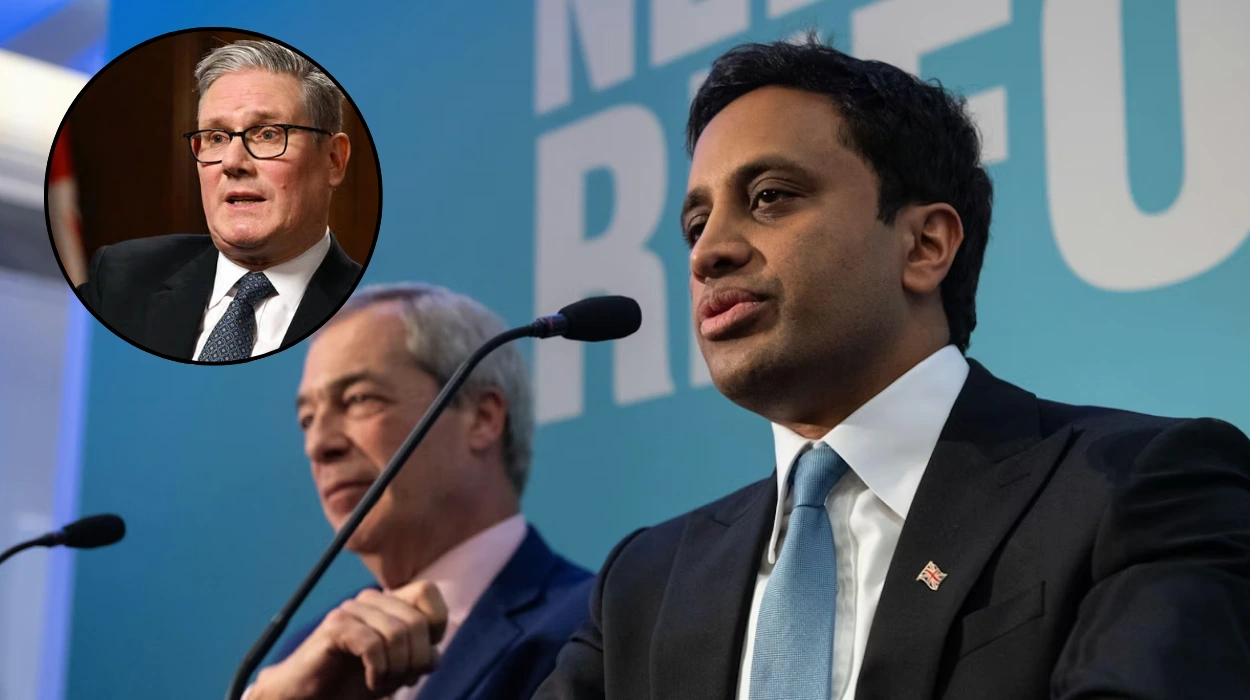
London (Britain Today News) April 6, 2026 – Reform UK pledges to halt visas for nationals of countries demanding slavery reparations. Reform UK has unveiled a hardline immigration policy to block all visas to nationals from 17 countries seeking billions in reparations from Britain over its historical role in the transatlantic slave trade. Zia Yusuf, the party’s home affairs spokesman, branded the demands “insulting” and declared “enough is enough” after successive Tory and Labour governments issued 3.8 million visas and dispensed £6.6 billion in foreign aid to these nations over the past two decades.
- Key Points
- Why is Reform UK blocking visas to these specific countries?
- What historical sacrifices did Britain make to end slavery?
- How has the UK government responded to reparations demands?
- What do other UK parties say about slavery reparations?
- Which country received the most UK visas and aid?
- Could this policy impact Commonwealth relations?
The announcement escalates Reform’s existing commitment to cut foreign aid to such countries, extending the crackdown to work, study, visitor, and family reunion visas. Mr Yusuf highlighted Britain’s pioneering efforts to abolish slavery, noting that the UK was the first major power to outlaw the trade in 1807 and slavery itself in 1833, with the Royal Navy seizing hundreds of ships to enforce the ban worldwide.
Why is Reform UK blocking visas to these specific countries?
The 17 nations comprise 11 Caribbean states – Antigua and Barbuda, the Bahamas, Barbados, Dominica, Grenada, Haiti, Jamaica, St Kitts and Nevis, St Lucia, St Vincent and the Grenadines, and Trinidad and Tobago – alongside African countries Ghana, Kenya, and Nigeria, Central America’s Belize, and South America’s Guyana and Suriname. Even Montserrat, a British Overseas Territory in the Caribbean, has lobbied for reparations.
As reported by political correspondent Robert Wright, these countries have demanded compensation for Britain’s involvement in the slave trade, which enslaved millions in the Empire’s Caribbean and North American colonies from the 17th century. Caricom, the Caribbean Community, has formally pressed for trillions, inspired by recent Chagos Islands disputes.
Nigeria tops the visa list with 2.7 million grants since 2005, per Home Office data cited in the announcement. Ghana and Kenya follow closely, while in the Caribbean, Jamaica received 162,290 visas and Trinidad and Tobago 24,305. Most are Commonwealth members, amplifying diplomatic pressure.
What historical sacrifices did Britain make to end slavery?
Mr Yusuf emphasised that
“these countries ignore the fact that Britain made huge sacrifices to be the first major power to outlaw slavery and enforce this prohibition.”
Parliament, spurred by William Wilberforce’s campaign, banned the slave trade across the Empire in 1807 and slavery outright in 1833. The Royal Navy’s West Africa Squadron patrolled global waters, intercepting slavers at great cost in lives and treasure.
A 2023 University of West Indies report, endorsed by International Court of Justice judge Patrick Robinson, claimed the UK owes over £18 trillion to 14 Caribbean nations – nearly seven times Britain’s GDP. The report, covered by Westminster reporter Camilla Turner of The Telegraph, urged comprehensive reparations.
Britain abstained from a March 2026 UN General Assembly vote, proposed by Ghana, declaring the transatlantic slave trade the
“gravest crime against humanity”
and calling for apologies or a reparations fund. The resolution passed 123-3 (US, Israel, Argentina opposed), with 52 abstentions including the UK.
How has the UK government responded to reparations demands?
Prime Minister Sir Keir Starmer ruled out payments last year, stating he preferred to “focus on the future” rather than
“spend a lot of time on the past,”
as noted by political editor Ben Riley-Smith. Chancellor Rachel Reeves echoed this to the BBC:
“I understand why they make those demands but that’s not something that this Government will be doing.”
The King’s stance remains measured. At the 2024 Commonwealth Heads of Government Meeting (CHOGM) in Samoa, leaders lobbied him as Head of the Commonwealth to back their claims. In a speech covered by royal correspondent Victoria Ward of The Telegraph, he called the slave trade one of the
“most painful aspects of our past”
but issued no apology, as he requires government approval. Similarly, he cannot commit to reparations without ministerial support.
Commonwealth Secretary General Shirley Botchwey of Ghana has voiced openness to reparations discussions, per political reporter Kate McCann of The Telegraph.
What do other UK parties say about slavery reparations?
Conservative leader Kemi Badenoch dismissed the arguments as a “scam,” positioning her party against payments. Within Labour, the Socialist Campaign Group pushes for reparations, clashing with the leadership. The Green Party also supports compensation.
Reform’s spokesman reinforced the policy:
“A Reform government will not allow Britain to be slapped around and ridiculed on the world stage like the Tories and Labour. We will not allow British taxpayers to be insulted and their money wasted.”
Which country received the most UK visas and aid?
Visa data underscores the scale. Beyond Nigeria’s 2.7 million, Ghana and Kenya dominate African figures, while Jamaican nationals hold the Caribbean lead at 162,290, followed by Trinidad and Tobago’s 24,305. This influx coincides with £6.6 billion in aid, despite asylum hotel costs straining budgets and foreign aid hitting 50-year lows.
The policy targets all visa categories, aiming to deter what Reform sees as ingratitude. Mr Yusuf stated:
“Astonishingly, of the countries demanding reparations, Tory and Labour governments issued 3.8 million visas to their nationals and sent them a staggering £6.6bn in foreign aid over the last two decades. Enough is enough.”
Could this policy impact Commonwealth relations?
With most demanding nations in the Commonwealth, the visa ban risks straining ties. The Samoa CHOGM saw direct appeals to the King, and Caricom’s trillions demand persists. Yet Reform frames it as defending British interests against “insulting” claims, given the UK’s abolitionist legacy.
Britain’s £6.6 billion aid over 20 years – amid domestic pressures – fuels the narrative of imbalance. Reform positions this as taxpayer protection, potentially resonating amid immigration debates.