Key Points
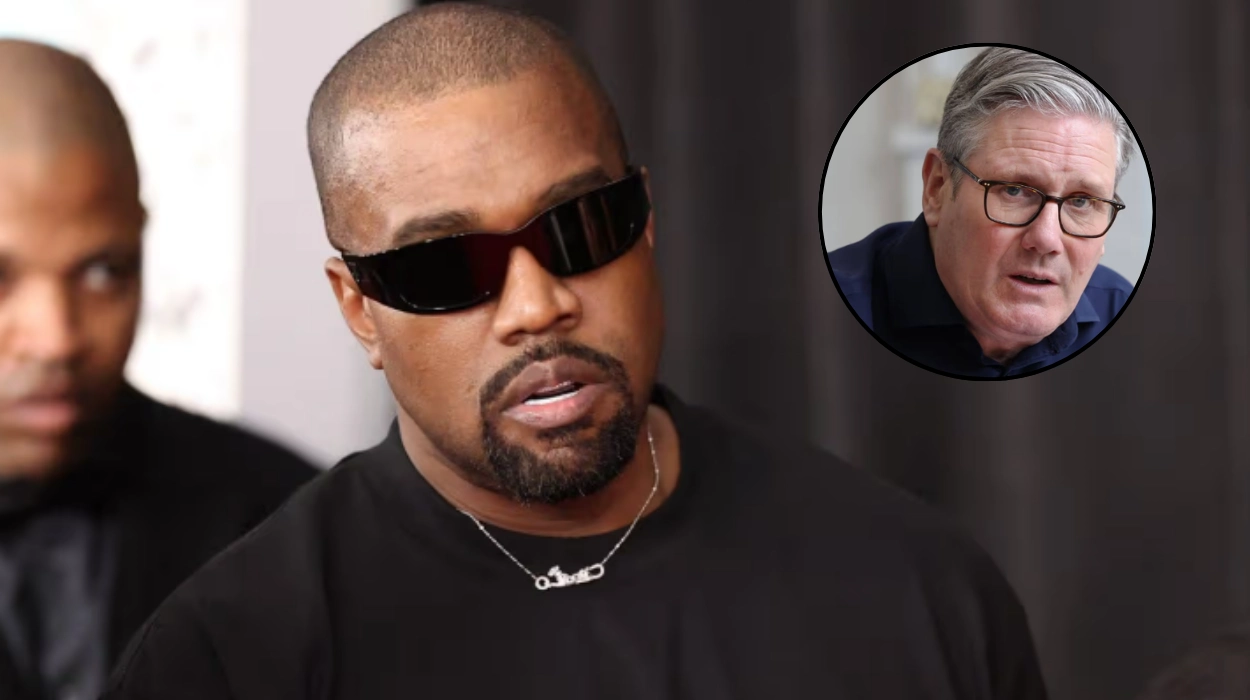
- Wireless Festival promoter Melvin Benn says Kanye West has a “legal right to come into the country and to perform” in the UK.
- West, also known as Ye, is scheduled to headline all three nights of Wireless Festival at Finsbury Park in London in July 2026.
- Sir Keir Starmer has described the booking as “deeply concerning”, while the Campaign Against Antisemitism and politicians are urging ministers to block West from entering the UK.
- The Press Association understands that West’s permission to enter the UK is currently being reviewed by ministers.
- Major sponsors, including Pepsi and Diageo, have withdrawn support from the festival after the announcement.
- West has faced sustained criticism over previous antisemitic comments and praise of Adolf Hitler, which opponents say makes his appearance unacceptable.
- Benn says the festival is not giving West a platform for opinion, only for performance of his music.
London (Britain Today News) April 06, 2026 — The row over Kanye West’s planned appearance at Wireless Festival has intensified after the event’s promoter insisted the rapper has a legal right to enter the UK and perform, despite mounting pressure on ministers to stop him.
What did the promoter say?
As reported by the Standard’s political desk, Melvin Benn, managing director of Festival Republic, said West has a legal right to come into the country and perform. He argued that the festival is not offering the rapper a platform for political or hateful views, but only for his music, which he said is already widely available on radio, streaming services and downloads in Britain.
Benn also described himself as a “deeply committed anti-fascist” and a “person of forgiveness”. He said West’s past comments about Jews and Hitler were “abhorrent” to him, to the Jewish community, to the Prime Minister and to others who had criticised the booking. Even so, he said the festival should reflect forgiveness and allow the artist a second chance.
Why is the booking controversial?
The backlash has centred on West’s long record of antisemitic remarks and his public praise of Adolf Hitler, which critics say make the booking indefensible. The Standard reported that Sir Keir Starmer has condemned the decision as “deeply concerning”, while Jewish organisations and political figures have demanded that the government intervene.
The Campaign Against Antisemitism has called on the Home Secretary, Shabana Mahmood, to block West from entering the UK on the grounds that his presence would not be
“conducive to the public good”.
Shadow home secretary Chris Philp has also urged the Home Secretary to use immigration powers to refuse a visa. Labour MP Rachael Maskell has said West
“should not be allowed to come to our country to perform”
after his comments.
Is the government reviewing his entry?
Yes. The Press Association understands that West’s permission to enter the UK is currently being reviewed by ministers. ITV News also reported that his UK entry is under ministerial review, reflecting the pressure building on the government after the festival announcement.
The BBC reported that the festival is expected to draw large crowds at Finsbury Park from July 10 to 12, with West set to be the main act for all three nights. That scale has added to concerns among opponents, who say the booking would normalise his views and give him a major platform at a high-profile summer event.
How have sponsors reacted?
The financial fallout has already begun. According to the Standard, Pepsi and Diageo have withdrawn sponsorship, and AB InBev has also said it will pull support for this year’s Wireless Festival. The PA report said PayPal, a payment partner for the festival, will not appear in future promotional material.
That retreat matters because it shows the dispute is no longer limited to politics and culture; it is also affecting the festival’s commercial backing. The loss of sponsors puts additional pressure on organisers and raises questions about whether the event can proceed in its current form without further damage.
What have Jewish groups said?
Jewish community leaders and organisations have strongly criticised the booking. Phil Rosenberg, president of the Board of Deputies of British Jews, said it was time for Wireless to “do the decent thing” and withdraw the invitation.
He said the key issue remains West’s reported self-identification as a Nazi and the fact that Wireless stands to benefit financially from his performance. Rosenberg also argued that any testing of West’s current state of mind should not happen over three days on the festival’s main stage. The CAA made a similar argument, saying the government has the power to refuse entry to non-citizens whose presence would not be conducive to the public good.
Why does the timing matter?
The controversy is unfolding against a backdrop of rising concern over antisemitism in the UK. Jewish community organisations have pointed to recent attacks, including the arson of ambulances used by a Jewish community-run service in north-west London and a deadly attack on a Manchester synagogue last year.
That wider context has made West’s booking especially sensitive, because critics say it is happening at a moment when community tensions are already high. Supporters of the government’s tougher stance argue that allowing such a high-profile appearance could send the wrong signal.
What happens next?
At this stage, West remains listed as the headliner, but the political and commercial pressure on Wireless Festival is still increasing. Ministers must now weigh immigration rules, public order concerns and the wider political fallout before deciding whether he can enter the country.
Benn’s defence of the booking has sharpened the debate rather than settled it, because it frames the issue as one of legal rights and artistic performance, while critics see it as a question of public safety, social responsibility and tolerance for hate speech. The final decision on entry, and any further response from the festival, is likely to determine whether West actually appears in London this July.