Key Points
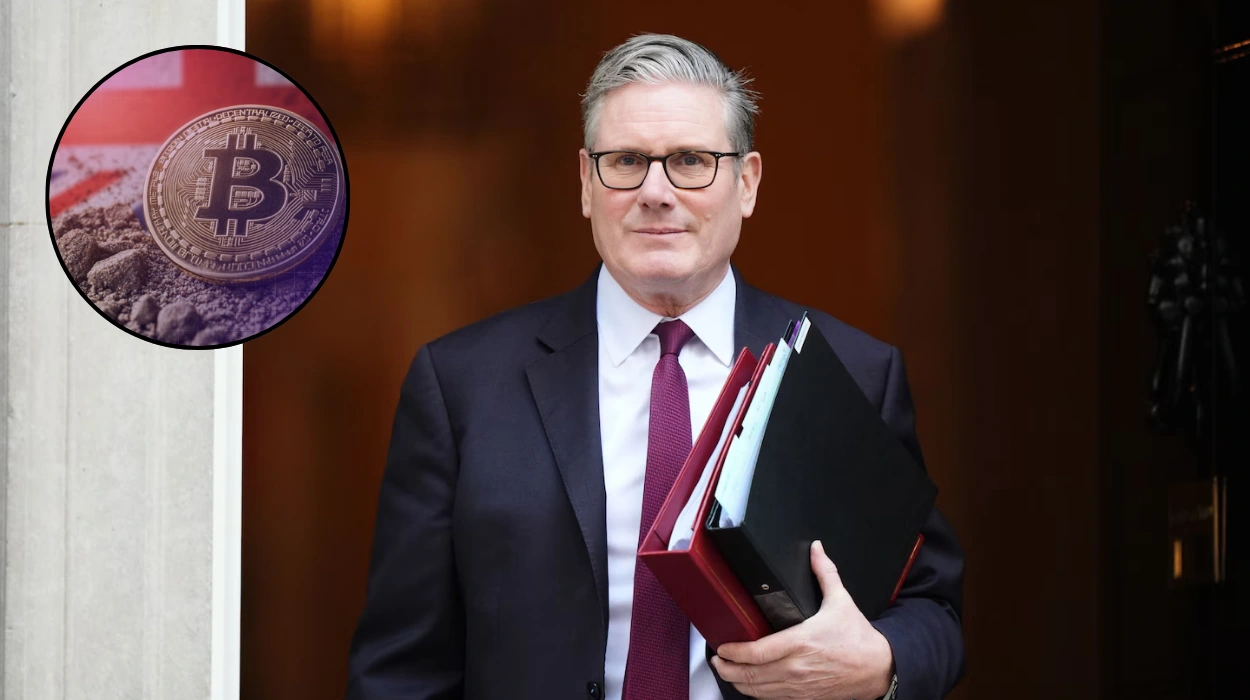
- British political parties banned from accepting cryptocurrency donations, announced by Prime Minister Keir Starmer on Wednesday during Prime Minister’s Questions in the House of Commons.
- Starmer described illicit finance as a “stark” danger to UK democracy and pledged to “act decisively to protect our democracy” from outside meddling, including a moratorium on all political donations via cryptocurrencies.
- The ban could financially impact Reform UK, led by Nigel Farage, one of the few parties accepting crypto donations.
- Annual cap of £100,000 ($134,000) imposed on donations from British voters living abroad; Reform UK received £12 million last year from Christopher Harborne, a British businessman in Thailand, per Electoral Commission figures.
- Reform UK deputy leader Richard Tice accused the government of trying “to stop the incredible progress of Reform,” calling cryptocurrencies a “perfectly legitimate way of investing, of earning within the law” in a GB News interview.
- Reform UK holds 8 of 650 House of Commons seats but leads Labour and Conservatives in opinion polls.
- UK allows unlimited donations from UK voters or registered companies but has strict election spending limits.
- Report by former senior civil servant Philip Rycroft, published Wednesday, warned untraceable digital currencies could channel foreign money into UK politics.
- Review ordered in December after incidents like jailing of former Reform UK politician Nathan Gill for taking bribes for pro-Russian statements in the European Parliament.
London (Britain Today News) March 25, 2026, Prime Minister Keir Starmer announced on Wednesday, that British political parties will be banned from accepting donations in cryptocurrencies to safeguard democracy from illicit finance and foreign interference.
- Key Points
- Why Has the UK Government Banned Crypto Donations to Political Parties?
- What Triggered the Government’s Review of Political Donations?
- How Will the Crypto Ban Impact Reform UK and Nigel Farage?
- What Are the Broader Implications for UK Political Funding?
- When and How Will These New Rules Take Effect?
- Who Else Faces Scrutiny Under the New Political Funding Rules?
- What Do Experts Say About Crypto’s Role in Politics?
Starmer made the declaration during the weekly Prime Minister’s Questions session in the House of Commons, emphasising the “stark” threat posed by untraceable funds.
“We will act decisively to protect our democracy”
from outside meddling, he told lawmakers.
“That will include a moratorium on all political donations made through cryptocurrencies,”
the Prime Minister stated.
Why Has the UK Government Banned Crypto Donations to Political Parties?
The decision forms part of broader measures to tighten controls on political funding amid rising concerns over foreign influence. As reported by Reuters journalists, the government simultaneously introduced an annual cap of £100,000 on donations from British voters residing abroad. This directly targets significant overseas contributions, such as the £12 million Reform UK received in the past year from Christopher Harborne, a British businessman based in Thailand, according to figures from the Electoral Commission.
Reform UK, the hard-right party led by Nigel Farage, stands to suffer the most immediate financial blow. One of the few British parties openly accepting cryptocurrency donations, it holds just eight of the 650 seats in the House of Commons. Despite this, Reform consistently tops opinion polls, outpacing Starmer’s governing Labour Party and the main opposition Conservatives.
Deputy leader Richard Tice voiced strong opposition on GB News.
“The government [is] trying to stop the incredible progress of Reform,”
Tice said. He defended cryptocurrencies, telling the broadcaster:
“Cryptocurrencies are a perfectly legitimate way of investing, of earning within the law.”
Britain maintains strict limits on election spending by political parties, yet permits unlimited donations provided they come from permissible sources—namely, UK voters or companies registered in Britain. The new crypto ban and overseas cap aim to close perceived loopholes exploited by anonymous or foreign-linked funds.
What Triggered the Government’s Review of Political Donations?
The policy stems from a report published on Wednesday by Philip Rycroft, a former senior civil servant tasked with reviewing foreign financial interference in UK politics. Rycroft expressed grave concern that untraceable digital currencies could be
“used as the vehicle to channel foreign money into the political system in the U.K.,”
according to the report covered by The Guardian.
The government commissioned Rycroft’s review in December 2025 following several high-profile scandals. A notable case involved Nathan Gill, a former Reform UK politician jailed for accepting bribes to deliver pro-Russian statements in the European Parliament. As detailed by BBC News reporters, Gill’s conviction highlighted vulnerabilities in allowing opaque funding streams.
Starmer’s announcement aligns with ongoing efforts to fortify democratic institutions. During Prime Minister’s Questions, he framed the measures as essential to counter “illicit finance” that undermines public trust. Sources close to Downing Street, cited by The Times, indicate further consultations on tightening donor transparency rules.
How Will the Crypto Ban Impact Reform UK and Nigel Farage?
Reform UK’s reliance on unconventional funding sources amplifies the ban’s potential sting. Nigel Farage’s party has leveraged crypto appeals to attract small, tech-savvy donors disillusioned with traditional politics. Electoral Commission data, as reported by The Telegraph’s political correspondent, shows Reform’s £12 million haul from Harborne alone dwarfs contributions to many rivals.
Tice’s GB News remarks underscore the party’s defiance. Beyond decrying the ban as politically motivated, he positioned Reform as a victim of establishment suppression. Party insiders, quoted anonymously in Sky News coverage, warn the measures could crimp grassroots momentum ahead of future elections.
Yet, analysts note Reform’s polling lead—often 5-10 points ahead of Labour and Tories in recent YouGov surveys—suggests resilience. Farage, a Brexit architect and media personality, maintains a potent personal brand that sustains donations through permissible channels.
What Are the Broader Implications for UK Political Funding?
The UK’s framework already mandates donor identification for sums over £500, but crypto’s pseudonymity evaded full scrutiny. Rycroft’s report, drawing on evidence from financial regulators, spotlighted risks akin to those in other democracies, including US concerns over dark money.
As per Financial Times analysis, the £100,000 overseas cap addresses expatriate mega-donors like Harborne, whose Thailand base raised permissibility questions despite his British passport. The Electoral Commission welcomed the reforms, stating they enhance
“integrity without stifling legitimate support.”
Opponents, including Liberal Democrat spokespeople cited in The Independent, argue the rules could inadvertently favour incumbents with established networks. Starmer rebutted this in Parliament, insisting:
“Protecting our democracy demands bold action.”
When and How Will These New Rules Take Effect?
Implementation details remain under discussion, but the moratorium on crypto donations takes immediate effect via secondary legislation. The overseas cap applies from the next financial year, per a Downing Street briefing reported by PA Media.
Parliamentary approval is expected swiftly given Labour’s majority. Cross-party support emerged during Questions, with Conservative leader Kemi Badenoch signalling no opposition, as noted by Hansard transcripts.
Rycroft recommended ongoing monitoring, urging tech firms to aid traceability. His full 50-page report, available on the Cabinet Office website, details 15 additional safeguards, from enhanced audits to whistleblower protections.
Who Else Faces Scrutiny Under the New Political Funding Rules?
Beyond Reform, all parties must adapt. The Greens and SNP, which have flirted with digital donations, now pivot to traditional methods. Labour, facing its own funding shortfalls, benefits indirectly as a perceived target of the rules recedes.
High-profile donors like Harborne face recalibration. The Thailand-based entrepreneur, whose property empire funds his giving, defended his contributions as “proudly British” in a statement to The Daily Mail.
Nathan Gill’s case lingers as a cautionary tale. Jailed in 2025 for £100,000 in Russian bribes, his Reform tenure exposed MEP vulnerabilities—echoed now in Westminster.
What Do Experts Say About Crypto’s Role in Politics?
Philip Rycroft, whose civil service career spanned 30 years, warned of “systemic risks” in his report.
“Digital assets offer anonymity that traditional banking cannot match,”
he wrote, citing blockchain analysis limitations.
City experts, interviewed by Bloomberg, predict minimal market disruption but praise the signal to global peers.
“The UK leads in blending innovation with safeguards,”
said one fintech lawyer.
Critics like Tice frame it as overreach.
“This stifles the future of finance,”
he told GB News viewers, rallying crypto enthusiasts.
In sum, Starmer’s Wednesday announcement marks a pivotal shift in UK political finance, prioritising transparency over technological novelty. As democracy faces evolving threats, these measures underscore resolve.