

Key Points
- British Prime Minister Keir Starmer expressed being “increasingly concerned” about foreign states using proxies for attacks in Britain.
- Starmer visited Kenton United Synagogue in Harrow, north London, targeted in an arson attack on Sunday, causing minor smoke damage with no injuries.
- A 17-year-old British boy pleaded guilty on Tuesday to arson not endangering life related to the Kenton synagogue incident.
- Starmer pledged new legislation to counter “malign state actors” operating through criminal networks or proxies for deniability.
- Recent attacks include arson at Jewish-linked sites in London, investigated by counter-terrorism officers but not treated as terrorist incidents.
- Police are probing possible Iranian proxies behind some attacks to stir fear in the Jewish community.
- Prior incidents: Attempted arson at Finchley Reform Synagogue earlier this month; four Jewish community ambulances set ablaze outside a north London synagogue last month.
- Starmer stated: “We have to deal with malign state actors” and “I want this country to be a place where everybody feels safe and secure. This is not just a battle for the Jewish community. It is our battle.”
- British authorities warn of hostile state activity amid rising antisemitic incidents.
London (Britain Today News) April 23, 2026 – British Prime Minister Keir Starmer voiced deep alarm over a surge in arson attacks targeting Jewish sites, attributing some to “malign state actors” employing proxies, as he pledged robust legislative action to safeguard communities.
- Key Points
- What Triggered Starmer’s Warning on Malign State Actors?
- Which Recent Arson Attacks Have Targeted Jewish Sites in London?
- How Are UK Police Responding to the Spate of Attacks?
- What Is the Broader Context of Antisemitism in Britain?
- Why Does Starmer Believe Legislation Is Essential?
- Who Are the Suspected Malign State Actors Involved?
- What Impact Have These Attacks Had on the Jewish Community?
- How Will New Legislation Counter Proxy Threats?
- What Steps Can Communities Take for Safety?
What Triggered Starmer’s Warning on Malign State Actors?
Keir Starmer’s stark pronouncement came directly after his visit to the Kenton United Synagogue in Harrow, north west London, which suffered an arson attack on Sunday. The fire inflicted minor smoke damage to an internal room, with no injuries reported. Speaking to gathered members of the Jewish community, Starmer declared,
“I’m increasingly concerned that a number of countries are using proxies for attacks in this country.”
The Prime Minister emphasised the need for governmental intervention, stating,
“We have to deal with malign state actors,”
and affirmed that fresh legislation would be forthcoming. His words underscored a broader commitment to national security, as he added,
“I want this country to be a place where everybody feels safe and secure. This is not just a battle for the Jewish community. It is our battle. The Britain that I want is a Britain where people can practice their religion, their faith, in safety and security.”
This visit highlighted the mounting tensions following a series of incidents that have rattled Britain’s Jewish population. Counter-terrorism officers are actively investigating several cases, though police have clarified they are not classifying them as terrorist incidents at present. British authorities have repeatedly flagged hostile state involvement, noting how foreign governments might leverage criminal networks or local proxies to orchestrate disruptions while preserving plausible deniability.
Which Recent Arson Attacks Have Targeted Jewish Sites in London?
London has endured a troubling wave of attacks, predominantly arson, aimed at Jewish-linked locations in recent weeks. The Kenton United Synagogue incident marked the latest, with a 17-year-old British boy pleading guilty on Tuesday to arson not endangering life, as detailed by TOI staff in The Times of Israel. The youth claimed no hatred towards Jews, yet the event has amplified fears.
Prior to this, the Finchley Reform Synagogue faced an attempted arson earlier this month. As covered by TOI staff in The Times of Israel, two individuals were arrested in connection with what police described as an antisemitic attack. Last month, four Jewish community ambulances were deliberately set ablaze outside a synagogue in north London, another suspected hate crime reported by the same outlet.
These incidents form part of a pattern leaving the Jewish community on edge. Police investigations, per TOI liveblog entries, are exploring whether Iranian proxies might be involved, aiming to sow havoc and fear without direct attribution.
How Are UK Police Responding to the Spate of Attacks?
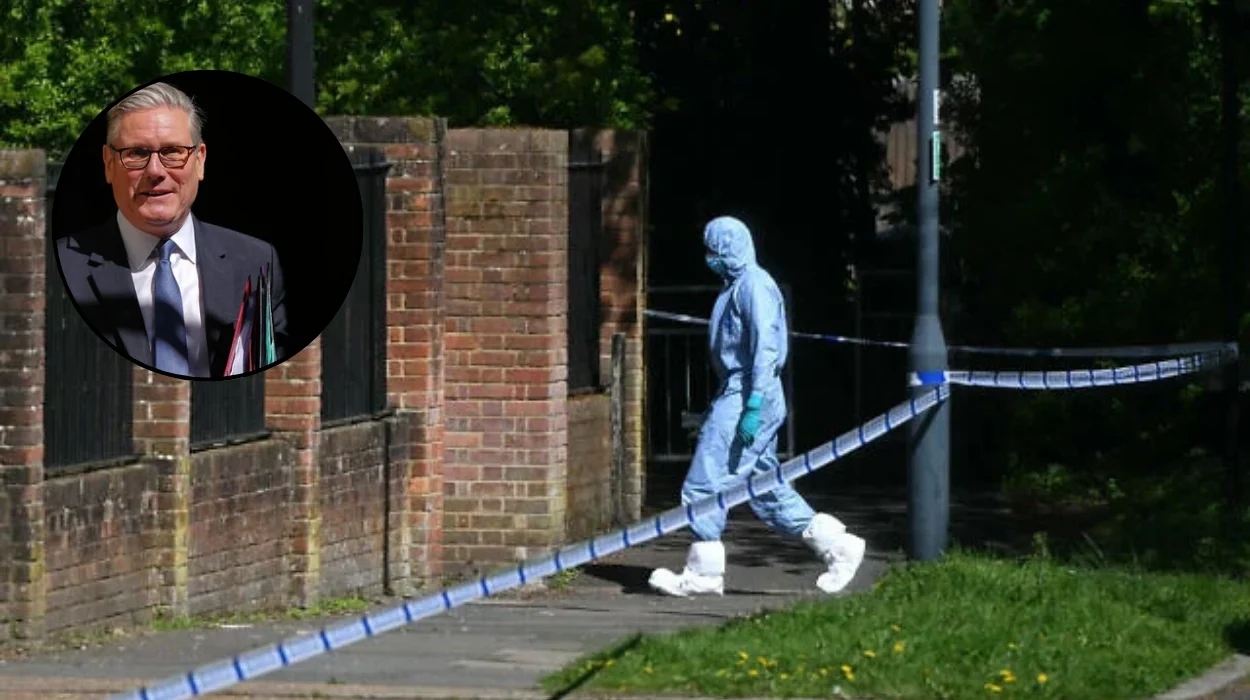
Counter-terrorism units have taken the lead on several probes, reflecting the gravity of the situation despite no formal terrorist designations. Forensic officers were observed working within a cordon near the Kenton United Synagogue, meticulously examining the scene post-arson.
In the Kenton case, two teenagers were arrested as “thugs for hire” following the Sunday blaze, according to TOI staff reporting in The Times of Israel. The swift guilty plea from the 17-year-old underscores rapid judicial progress, though broader inquiries persist into potential external orchestration.
Authorities have issued warnings about hostile state activities, pointing to a strategic use of proxies. This approach allows malign actors to instigate local chaos while evading accountability, a tactic increasingly evident in the UK’s security landscape.
What Is the Broader Context of Antisemitism in Britain?
The recent arsons pale in severity compared to last year’s most egregious incident. In October 2025, an attacker rammed his car into worshippers outside a Manchester synagogue during Yom Kippur observances, stabbing one person to death. Another fatality occurred when police inadvertently shot a bystander during the response, as chronicled by TOI staff in The Times of Israel.
This tragedy underscored the escalating antisemitic threats facing British Jews. Community leaders have reported heightened vigilance, with synagogues bolstering security and ambulances now under stricter protection. Starmer’s rhetoric frames these events not as isolated but as symptomatic of foreign meddling exacerbating domestic tensions.
The Jewish community, numbering around 270,000 in the UK, has voiced appreciation for Starmer’s solidarity. His synagogue visit signalled governmental resolve, yet calls grow for swifter intelligence-sharing and prosecutions to deter future outrage.
Why Does Starmer Believe Legislation Is Essential?
Starmer explicitly linked the proxy threat to the imperative for new laws.
“It would require legislation by the government,”
he asserted post-visit. This pledge targets the shadowy operations of foreign states, aiming to close loopholes exploited by criminal intermediaries.
Experts note that current frameworks struggle against deniable aggression. Proposed measures might enhance surveillance of proxy networks, impose harsher penalties on hired perpetrators, and bolster international cooperation to trace funding back to state sponsors.
The Prime Minister’s holistic vision extends beyond Jews, positioning safety as a national priority. By framing it as “our battle,” Starmer seeks to unite Britons against external subversion, potentially galvanising cross-party support for reforms.
Who Are the Suspected Malign State Actors Involved?
While Starmer refrained from naming specific nations, police probes have spotlighted Iran. TOI liveblog coverage indicates investigations into whether Tehran deploys proxies to inflame communal divides in the UK. This aligns with global patterns where hostile regimes outsource violence to local elements.
British intelligence has long monitored Iranian activities, from cyber intrusions to physical plots. The synagogue attacks fit a modus operandi of low-level disruptions designed to intimidate without provoking full retaliation.
Other potential actors remain under scrutiny, though details are classified. Starmer’s generic reference to “a number of countries” suggests a multifaceted threat, possibly encompassing rivals like Russia or non-state affiliates.
What Impact Have These Attacks Had on the Jewish Community?
Fear pervades Jewish institutions, with synagogues enhancing defences and communities altering routines. The Kenton fire, though minor, symbolised vulnerability, prompting soul-searching about integration and security.
Leaders praise Starmer’s engagement but urge vigilance. Incidents like the ambulance fires disrupted vital services, while the Manchester atrocity left scars. Statistics from the Community Security Trust show antisemitic episodes surging post-2023 Middle East flare-ups, though these attacks evoke statecraft over grassroots hate.
Starmer’s message resonates: Faith practice must thrive securely. His commitment offers reassurance amid unease.
How Will New Legislation Counter Proxy Threats?
Details are nascent, but Starmer envisions laws criminalising proxy facilitation, mandating disclosures on foreign funding for agitators, and empowering seizures of illicit assets. Integration with the Online Safety Act could curb incitement amplifying these acts.
Parliamentary debates loom, balancing efficacy against civil liberties. Precedents like the National Security Act 2023 provide blueprints, yet proxies demand agile responses.
Implementation hinges on intelligence efficacy. MI5 and counter-terror police will lead, with Home Secretary Yvette Cooper likely spearheading rollout.
What Steps Can Communities Take for Safety?
Authorities advise reporting suspicions promptly and utilising security grants. Synagogues install CCTV; communities foster alliances with police.
Starmer’s pledge invigorates these efforts, promising systemic buttressing.