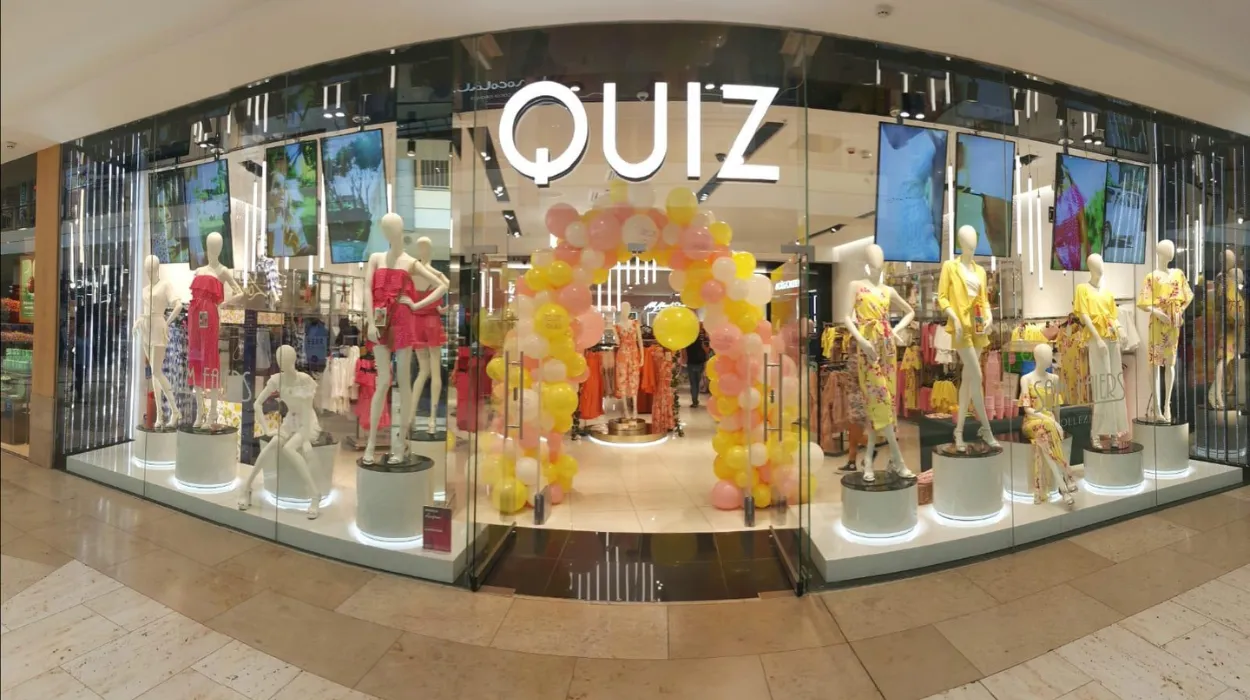
Quiz Clothing entered administration on 5 February 2026, and that changes how customers, suppliers, and claimants deal with the brand. In UK insolvency terms, administration is a formal process used to protect a company while an appointed administrator reviews rescue options, trading, or asset sales.
- What does Quiz Clothing administration mean?
- Who are the administrators?
- What should customers know?
- How do claims work?
- How do store sales work?
- What happens to online orders?
- What is the history behind this case?
- Why does retail administration matter?
- How should beginners read the notice?
- What is the likely future relevance?
What does Quiz Clothing administration mean?
Quiz Clothing administration means the company entered a formal insolvency process on 5 February 2026, with Interpath appointed as administrators and immediate changes to store trading, online orders, refunds, and customer claims.
Administration is a UK insolvency procedure designed to give a company breathing space while an administrator takes control of management decisions. For Quiz, that meant the online store closed immediately, stock clearance sales began in stores, and customers were told that new purchases would be sold as seen except for faulty goods.
The notice also states that customers who bought items before 5 February 2026 should return them to a nearest store for a replacement or substitute item of equal or greater value, with any difference charged if the substitute is more expensive. It also states that no cash or card refunds are provided and that gift cards and credit notes are not honoured. For beginners, the key point is simple: administration replaces normal retail rules with insolvency rules.
Who are the administrators?
The administrators are Interpath, and their job is to control the company during administration, protect value, and decide whether any part of the business can continue trading or be sold.
Interpath’s appointment on 5 February 2026 placed Quiz under formal insolvency management. Administrators in the UK are licensed insolvency practitioners who act for creditors rather than for the company’s former management. Their work includes reviewing finances, handling assets, considering buyers, and deciding what trading model creates the best outcome for creditors.
Retail administration often leads to a staged outcome rather than an immediate full closure. In Quiz’s case, reports in early April 2026 said the administrators were reviewing whether to continue trading from the 40 UK stores then open. That shows how administration can shift over time, from emergency trading to a buyer search or orderly wind-down.
What should customers know?
Customers should know that new in-store purchases are sold as seen, faulty goods remain the main return basis, online ordering stopped, and pre-5 February returns follow the administrator’s replacement-only process.
The Quiz notice is specific about customer treatment. Stock clearance sales began immediately, the website closed, and customers were told they could no longer place online orders. Purchases made on or after 5 February 2026 are sold as seen, which means the usual change-of-mind return rights do not apply in the same way unless the goods are faulty.
For purchases made before administration, customers were directed to stores for a replacement or substitute item of equal or higher value. There is no cash or card refund under the notice, and gift cards and credit notes are not honoured. This matters because a retail administration changes the practical value of store credit, even if the customer still holds a valid purchase record.
How do claims work?
Claims work through the administration process, where money owed before 5 February 2026 can become an unsecured claim that is handled after the company’s assets and priority debts are assessed.
Quiz’s notice says customers who believe they are owed sums from purchases before administration may form an unsecured claim in the administration of Orion Retail Limited. Unsecured claims are debts without collateral backing, so they sit behind secured and preferential claims in the distribution order. This is standard insolvency practice in the UK, where administrators gather creditor claims and assess them against available assets.
For beginners, the process usually starts with a statement of claim form. The form asks the claimant to set out the amount owed and relevant evidence, such as receipts, card statements, or order confirmation emails. In administration, proof matters because the administrator needs documented claims before any distribution is made.
How do store sales work?
Store sales continue as clearance sales, but stock is limited, returns are restricted, and the purpose is to convert inventory into cash while the administrators review the business.
The Quiz notice says a stock clearance sale began immediately across stores. That is common in retail administration because inventory is one of the fastest assets to realise. The sale supports cash generation, reduces holding costs, and helps administrators preserve value while they assess trading options.
Customers should read clearance terms carefully because the normal retail protections are narrower in this setting. In particular, goods bought during administration are sold as seen, so the buyer should inspect sizing, condition, stitching, zips, and defects before paying. This is especially important in fashion retail, where fit and finish determine the usefulness of the item.
What happens to online orders?
Online orders stopped when the website closed, and customers were told that the usual online returns route no longer applies after administration began.
Quiz’s notice states that the online store closed immediately upon appointment of the administrators. That means new online purchases are not available through the usual website checkout process. Customers who placed orders before 5 February 2026 and now need to return items are told to use the store-based replacement route rather than the normal online channel.
This matters because administration disrupts normal logistics, customer service, and refund processing at the same time. In practice, if a customer has an old online order, the safest step is to keep the order confirmation, delivery note, and payment evidence together. That documentation supports any replacement request or claim review under the administration.
What is the history behind this case?
Quiz has a repeated insolvency history, and the 2026 administration is described in reports as the company’s third time in administration, showing long-term financial stress in the retail business model.
Reports published at the time of the appointment described Quiz as entering administration again, with some outlets noting this was the third administration event. That history is important because repeated administrations usually point to deeper structural issues such as weak margins, debt pressure, changing consumer demand, and high fixed retail costs. In UK retail, those pressures often affect stores, distribution, and staffing all at once.
The administration also led to job losses early in the process. That is another sign that the aim is value preservation, not a guarantee of continuity for every store or every role. For beginners, the historical lesson is clear: administration is a rescue framework, but it does not guarantee survival.
Why does retail administration matter?
Retail administration matters because it affects jobs, customer rights, store closures, supplier payments, and the future of the brand, often within days of the appointment date.
When a clothing retailer enters administration, the impact is immediate because stock, leases, payroll, and supplier contracts are tied to daily trading. For Quiz, the administrators moved quickly to keep stores open for clearance trading and to review whether the 40 open UK stores should continue operating. That shows the central tension in retail insolvency: trading can still continue while rescue options are tested.
The wider implication is that consumers must understand that normal retail rights are not identical to insolvency rights. Gift cards, vouchers, and refund expectations can change once the company is under administration, and suppliers may need to file claims rather than wait for ordinary payment. For the market, these events also reshape competition because some stores close, some stock is discounted, and buyer interest can change the brand’s future.
How should beginners read the notice?
Beginners should read the administrator’s notice as the controlling source for returns, refunds, gift cards, website status, claim forms, and store trading rules.
The Quiz notice is more useful than general commentary because it sets out the actual customer instructions. It explains the date of administration, the treatment of old and new purchases, the closure of the website, the clearance sale, and the claim process. In insolvency cases, the official notice is the main operational guide because it defines the rules that apply from the appointment date.
A beginner should focus on five facts: the date of appointment, the status of the website, the refund position, the treatment of gift cards, and the claim route. Those five points determine what a customer can do next. If a purchase was made before 5 February 2026, the replacement route applies; if the purchase was made after that date, goods are sold as seen except for faults.
What is the likely future relevance?
The likely future relevance is that Quiz becomes a live example of how UK retail administration affects stores, customers, and insolvency outcomes in 2026.
Quiz is relevant because the case combines several common retail-insolvency features in one event: immediate website closure, in-store clearance, unsecured customer claims, and a review of whether stores remain open. That makes it useful for readers who want to understand how a real administration works in practice rather than in theory.
The case also reflects the broader retail environment, where administrators often test whether a stripped-down business can still trade while buyers are sought. For consumers, the practical lesson stays the same across future retail failures: keep receipts, save order emails, act quickly on claims, and check the official notice first. For publishers and search engines, this topic remains evergreen because it connects a named company, a legal process, and a repeatable consumer problem.