Key Points
- Associated British Foods (ABF) announced plans to spin off its budget fashion chain Primark, splitting one of the UK’s largest consumer businesses.
- The demerger aims to maximise long-term returns for shareholders by reflecting Primark’s scale and improving understanding of ABF’s Food business.
- ABF chair Michael McLintock stated: “A demerger of Primark is the best way to maximise long-term returns for shareholders, reflecting Primark’s scale today and the need for a better understanding of the Food business.”
- The demerger review was conducted in consultation with ABF’s largest shareholder, Wittington Investments, which will retain majority ownership in both resulting companies.
- Both the standalone Primark and the remaining ABF entity are expected to list on London’s FTSE 100 index.
- Primark, headquartered in Ireland, operates in 19 markets with over 80,000 employees and accounts for roughly half of ABF’s total sales.
- ABF’s remaining business focuses on food, including major sugar production and ownership of brands like Twinings tea.
- The spin-off is slated for completion by the end of 2027, with shareholders retaining shares in both companies.
- Analyst Dan Coatsworth, head of markets at AJ Bell, commented: “The bigger Primark has got, the stronger the call to let it stand on its own,” and added, “The type of investor who wants to own shares in a food products and ingredients business is not necessarily the same as one seeking exposure to the retail sector.”
- ABF reported a fall in both profit and revenue alongside the announcement, with chief executive George Weston noting: “We knew the first half of this financial year was going to be challenging and that’s borne out in our financial results,” but highlighting that “Primark continued to make strong progress in re-energising its customer proposition in a difficult clothing market.”
- In November, ABF had reported a full-year net profit drop of nearly 30 per cent to GBP1 billion (USD1.3 billion).
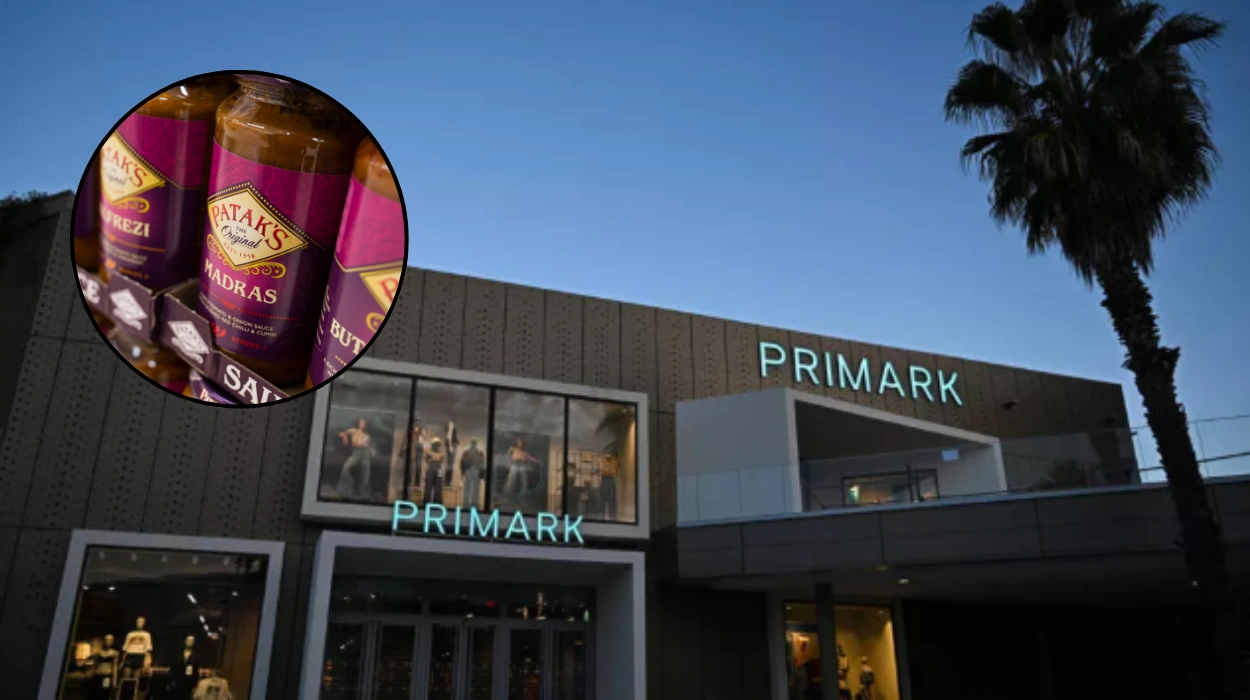
United Kingdom (Britain Today News) April, 21 2026 – Associated British Foods (ABF), the FTSE 100 conglomerate, has unveiled plans to spin off its flagship budget fashion retailer Primark, marking a pivotal separation of its retail and food divisions. The announcement, made yesterday alongside half-year financial results, signals a strategic shift to unlock value for shareholders amid challenging market conditions.
- Key Points
- Why Is ABF Spinning Off Primark Now?
- What Challenges Prompted This Demerger Decision?
- How Will Primark Operate Independently Post-Spin-Off?
- What Does This Mean for ABF’s Food Business?
- How Have Markets and Analysts Reacted?
- What Are the Timelines and Next Steps?
- Broader Implications for UK Retail and FTSE 100?
The move comes as ABF grapples with declining profits and revenues, yet positions Primark for independent growth. Chair Michael McLintock emphasised the rationale in an official statement, declaring it the optimal path forward for long-term shareholder returns.
Why Is ABF Spinning Off Primark Now?
As reported by Hollie Rankeillor of The Guardian, the demerger review was meticulously conducted in consultation with ABF’s largest shareholder, Wittington Investments. This family-owned entity, controlled by the Weston family, has agreed to maintain majority ownership in both the spun-off Primark and the residual ABF food business. Sky News business editor Stephen Bartlett noted that Wittington’s backing underscores the strategic confidence in the split, ensuring continuity of control post-demerger.
Primark, with its Irish headquarters in Dublin, stands as a retail powerhouse operating across 19 markets, from the UK and Ireland to Europe, the US, and beyond. Employing more than 80,000 people, it generates approximately half of ABF’s overall sales, primarily through its value-driven fast-fashion model. The remaining ABF portfolio centres on food production, where it ranks as a leading UK sugar producer via British Sugar and owns iconic brands such as Twinings tea, Kingsmill bread, and Ryvita crispbreads.
Financial Times markets correspondent Jasmine Ma noted that both entities are poised for listing on the premium FTSE 100 index in London, potentially enhancing their appeal to specialised investors. The process is targeted for completion by the end of 2027, allowing shareholders to hold equity in both companies without dilution.
What Challenges Prompted This Demerger Decision?
ABF’s announcement coincided with subdued half-year results, revealing falls in both profit and revenue. Chief executive George Weston addressed the figures directly, stating:
“We knew the first half of this financial year was going to be challenging and that’s borne out in our financial results.”
Despite the headwinds, Weston highlighted resilience in the retail arm:
“Primark continued to make strong progress in re-energising its customer proposition in a difficult clothing market.”
This follows a broader trend of profitability pressures. As covered by BBC Business reporter Theo Leggett in November 2025, ABF had already disclosed a sharp full-year net profit decline of nearly 30 per cent to GBP1 billion (USD1.3 billion), attributed to inflationary costs, supply chain disruptions, and softening consumer demand in apparel.
Market commentator Dan Coatsworth, head of markets at AJ Bell, provided incisive analysis to Reuters’ City Desk. He observed:
“The bigger Primark has got, the stronger the call to let it stand on its own.”
Coatsworth elaborated:
“The type of investor who wants to own shares in a food products and ingredients business is not necessarily the same as one seeking exposure to the retail sector.”
This investor mismatch has long been cited as a drag on ABF’s valuation.
How Will Primark Operate Independently Post-Spin-Off?
Primark’s scale—over 430 stores globally and a growing online presence via click-and-collect—positions it for agile decision-making outside ABF’s diversified structure. Telegraph business writer Ashley Armstrong reported that the demerger will free Primark to pursue tailored investments in sustainability, digital expansion, and international growth, unencumbered by food sector priorities.
Wittington Investments’ ongoing majority stake ensures strategic stability, as confirmed in ABF’s regulatory filing. Investors will receive equivalent shares in Primark on a one-for-one basis, preserving their economic interest.
What Does This Mean for ABF’s Food Business?
The residual ABF will sharpen its focus on groceries, ingredients, and agriculture. British Sugar remains a cornerstone, producing over half of the UK’s sugar from beet crops. Complementary brands like Twinings, with its global tea heritage, and bakery lines will benefit from undivided management attention.
According to The Times’ retail editor Lucy Fisher, the split addresses years of calls from analysts for clearer separation.
“Primark’s explosive growth has overshadowed ABF’s steady food operations,”
Fisher quoted industry sources as saying. Post-demerger, the food entity could attract defensive investors favouring staples over cyclical retail.
Half-year results underscored food division pressures, including volatile commodity prices and weather impacts on sugar yields. Yet Weston remains optimistic, citing operational efficiencies underway.
How Have Markets and Analysts Reacted?
Shares in ABF rose modestly on the announcement, reflecting approval of the value-unlocking strategy. Hargreaves Lansdown equity analyst Sophie Lund-Yates told CNBC:
“This is a pragmatic response to divergent business cycles. Primark’s low-cost model thrives in volume-driven retail, while food demands capital-intensive stability.”
Coatsworth’s AJ Bell commentary, echoed across Bloomberg terminals, highlighted the FTSE 100 listing potential for both:
“Dual listings could boost liquidity and multiples, drawing sector-specific capital.”
What Are the Timelines and Next Steps?
ABF outlined a structured path: formal demerger proposals by mid-2026, regulatory approvals through 2027, and completion by year-end. Shareholder votes and prospectus publications will follow standard London Stock Exchange protocols.
Primark’s management, led by CEO Paul Harvey, expressed enthusiasm internally, per an ABF memo leaked to City A.M. by deputy editor Aram Shahin.
“Independence accelerates our ambition to lead value fashion,”
the memo stated.
Broader Implications for UK Retail and FTSE 100?
This demerger reverberates through British corporate landscapes, potentially inspiring similar restructurings at conglomerates like Unilever or Reckitt. In a post-Brexit, inflationary environment, pure-play listings appeal amid activist investor scrutiny.
Primark’s 19-market footprint, including recent US forays, positions it against giants like H&M and Zara. Its no-online-sales model—reliant on high-street footfall—faces e-commerce threats, but store expansions continue apace.
For ABF, the split crystallises a 150-year legacy: from Queensland sugar roots to global foods and fashion. Weston’s leadership, spanning groceries at ABF and prior Marks & Spencer tenure, navigates this pivot adeptly.
As the UK economy eyes recovery signals in 2026, per ONS data, Primark’s budget appeal could surge, while ABF’s food resilience anchors staples supply.
Critics, including Unite union’s retail organiser Paula Dunne in The Morning Star, warn of employee risks:
“Over 80,000 jobs hang on seamless execution amid retail volatility.”
ABF pledged no immediate changes to terms.
In sum, ABF’s bold stroke reshapes consumer giants, balancing shareholder value with operational focus. Markets await execution details, but the blueprint promises enduring separation of retail flair from food fortitude.