Key Points
- UK Defence Secretary John Healey MP announced Britain’s contributions to a multinational defensive mission for the Strait of Hormuz at a virtual summit of Defence Ministers with over 40 nations.
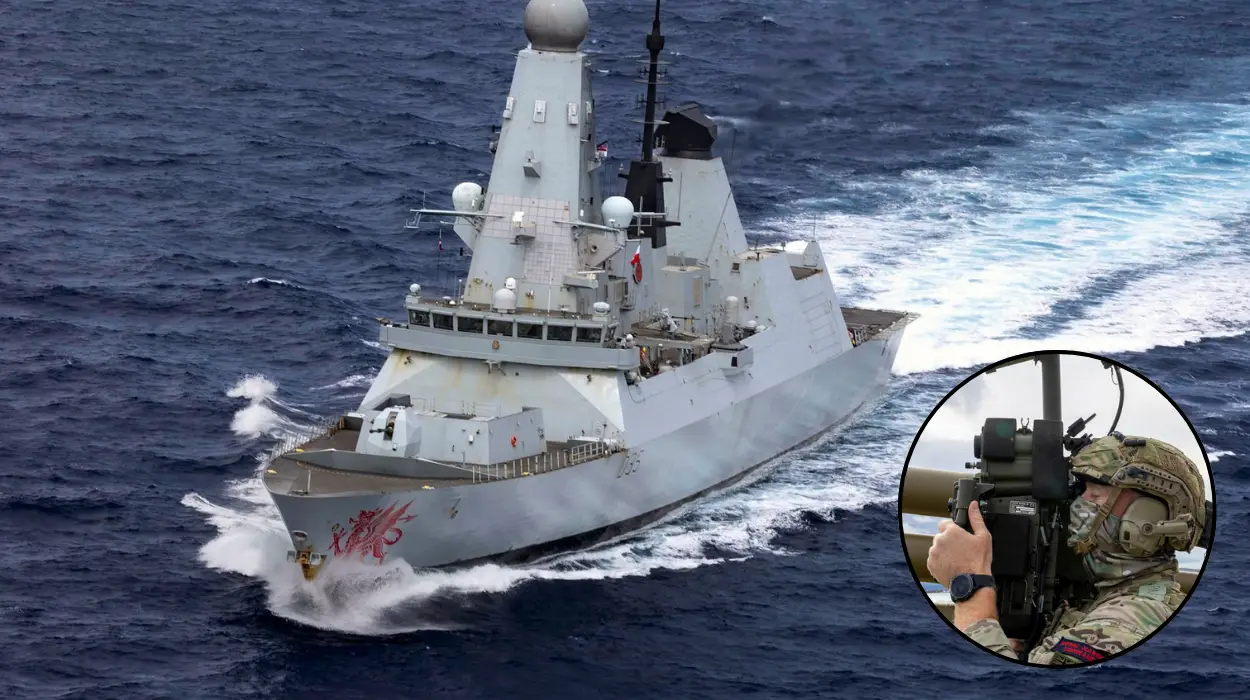
- Contributions include autonomous mine-hunting equipment, cutting-edge counter-drone systems, Typhoon jets, and HMS Dragon warship.
- New £115m funding backs mine-hunting drones and counter-drone systems.
- UK to lead with a multinational HQ to coordinate efforts.
- Force package features Royal Navy’s modular ‘Beehive’ system for Kraken drone boats, advanced mine-clearance specialists, and battle-proven Typhoon jets for air patrols.
- HMS Dragon is en route to the Middle East with Sea Viper counter-drone systems; RFA Lyme Bay upgraded as potential ‘mothership’ for uncrewed equipment.
- Mission is strictly defensive to secure freedom of navigation and restore commercial shipping confidence in the Strait, through which a fifth of global oil passes.
- Complements existing UK operations with over 1,000 personnel in the region, including counter-drone teams and fast jet squadrons.
- Defence Secretary emphasised UK’s leadership, new kit to protect interests, and commitments to strengthen shipping confidence and reduce conflict burdens.
London (Britain Today News) May 12, 2026 – UK Commits Drones, Jets and Warship to Secure Strait of Hormuz.The United Kingdom has pledged a robust package of advanced military assets to a multinational defensive mission aimed at safeguarding the Strait of Hormuz, one of the world’s most vital maritime chokepoints. Defence Secretary John Healey MP made the announcement during a virtual summit of Defence Ministers attended by representatives from over 40 nations involved in the Multinational Military Mission. This commitment underscores Britain’s leadership in ensuring freedom of navigation through the Strait, where a fifth of global oil supplies transit daily.
- Key Points
- What Assets is the UK Deploying to the Strait of Hormuz Mission?
- Why Did Defence Secretary John Healey Highlight UK’s Leadership Role?
- How Does This Fit into Broader UK Operations in the Middle East?
- What Makes the Mission Strictly Defensive in Nature?
- When Will the Mission Become Operational?
- Why is the Strait of Hormuz Critical to Global Trade?
- How Does the Hybrid Navy Strategy Enhance UK Capabilities?
The mission, set to become operational when conditions permit, will deploy autonomous mine-hunting equipment and cutting-edge counter-drone systems, alongside Typhoon jets and the Type 45 destroyer HMS Dragon. Backed by £115 million in new funding specifically for mine-hunting drones and counter-drone technologies, the UK’s contributions form part of the Royal Navy’s evolving Hybrid Navy strategy, integrating uncrewed systems for enhanced operational reach.
What Assets is the UK Deploying to the Strait of Hormuz Mission?
The UK’s force package is meticulously designed to counter threats in the Strait, focusing on detection, tracking, and neutralisation capabilities. Central to this is advanced autonomous mine-hunting equipment, capable of detecting and defeating underwater mines that could disrupt shipping. Complementing this, the Royal Navy’s modular ‘Beehive’ system will deploy high-speed, autonomous Kraken drone boats. These uncrewed surface vessels enable the multinational force to sense, track, and identify potential threats before engaging them decisively.
Battle-proven Typhoon jets, with extensive experience in the region, stand ready to conduct air patrols over the Strait, providing rapid response and surveillance. British military mine-clearance specialists, who have undergone rigorous preparation in the UK, will lead clearance operations, drawing on proven expertise to reopen safe passageways.
HMS Dragon, a formidable air defence ship, is already steaming towards the Middle East. Fresh from additional training and system calibrations, her crew is primed for integration into the mission. Equipped with the state-of-the-art Sea Viper counter-drone system, HMS Dragon can neutralise aerial threats effectively, ensuring layered protection for the task force.
Further enhancing flexibility, RFA Lyme Bay is undergoing upgrades by the Royal Navy to serve as a ‘mothership’ for autonomous systems. This docking and support vessel could launch and recover uncrewed equipment, amplifying the mission’s endurance without risking additional manned assets.
These elements position the UK to deliver meaningful, scalable contributions, adaptable to evolving threats in the Strait.
Why Did Defence Secretary John Healey Highlight UK’s Leadership Role?
Defence Secretary John Healey MP addressed the virtual summit with a firm reaffirmation of Britain’s pivotal role. He stated:
“The UK is playing a leading role to secure the Strait of Hormuz, and we are demonstrating that today with new cutting-edge kit to protect our interests and secure the Strait.”
Healey elaborated on the strategic imperatives:
“New funding for autonomous mine-hunting and counter-drone systems, our advanced Typhoon jets, and HMS Dragon are strong and clear commitments – commitments to strengthen the confidence of commercial shipping and reduce the burden of the conflict on people at home.”
Emphasising multilateral cooperation, he added:
“With our allies, this multinational mission will be defensive, independent, and credible.”
This stance reflects the UK’s commitment to a strictly defensive posture, avoiding escalation while bolstering collective security.
The summit saw other nations announce their contributions, though specifics remain coordinated through the multinational HQ led by Britain. This leadership extends to overarching coordination, ensuring seamless integration of diverse capabilities from the 40-plus participating countries.
How Does This Fit into Broader UK Operations in the Middle East?
The new commitments build directly on the UK’s established presence in the region, where over 1,000 personnel are already engaged in defensive operations. Counter-drone teams and fast jet squadrons have proven instrumental in safeguarding British nationals and partners amid ongoing tensions.
HMS Dragon’s deployment aligns with this continuity; she departed following intensive preparations, including calibration of her advanced systems. This ensures the vessel is mission-ready upon arrival, capable of immediate integration into Strait security efforts.
RFA Lyme Bay’s enhancements further exemplify the Royal Navy’s forward-thinking approach. As a versatile platform, it could host swarms of uncrewed systems, extending the reach of mine countermeasures and surveillance without proportional increases in personnel exposure.
These assets complement ongoing patrols and deterrence measures, maintaining pressure on illicit activities while protecting a trade route critical to global energy markets. The Strait’s role cannot be overstated: disruptions here ripple through economies worldwide, affecting fuel prices and supply chains from Europe to Asia.
What Makes the Mission Strictly Defensive in Nature?
The multinational plan is explicitly framed as defensive, with no offensive mandates. Its core objective is to restore confidence for commercial shipping, enabling safe passage for tankers and freighters. By deploying autonomous systems and specialist teams, the mission minimises human risk while maximising threat mitigation.
Autonomous technologies like Kraken boats and mine-hunters operate with precision, identifying threats via sensors before neutralising them. Typhoon jets provide overwatch, not strikes, focusing on reconnaissance and interception. HMS Dragon’s Sea Viper excels at drone defence, a prevalent regional hazard.
Funding of £115 million targets these uncrewed innovations, signalling long-term investment in low-risk, high-impact solutions. This approach reduces the conflict’s domestic burdens, as Healey noted, by securing supply lines and stabilising markets.
Participation from over 40 nations dilutes any perception of unilateral action, fostering a credible, independent coalition. The virtual summit facilitated pledges, ensuring a balanced contribution model under UK-led HQ oversight.
When Will the Mission Become Operational?
Operationalisation hinges on favourable conditions, including regional stability and logistical readiness. HMS Dragon’s transit positions her for prompt deployment, while UK specialists and jets are on standby. The ‘Beehive’ system’s modularity allows rapid scaling.
Preparation timelines reflect urgency: mine-clearance teams trained domestically, RFA Lyme Bay mid-upgrade, and Typhoons pre-positioned regionally. The £115 million infusion accelerates procurement and integration of autonomous kit.
Healey’s summit remarks imply near-term readiness, with the mission activating as threats necessitate. This phased approach – announcement, deployment, coordination – mirrors successful multinational efforts elsewhere, like counter-piracy operations.
Why is the Strait of Hormuz Critical to Global Trade?
Handling one-fifth of the world’s oil – approximately 21 million barrels daily – the Strait links Persian Gulf producers to international markets. Any blockade or mining imperils energy security, spiking prices and inflating costs for consumers and industries.
Commercial shipping confidence has waned amid incidents, prompting this defensive coalition. UK’s contributions directly address vulnerabilities: mines in shipping lanes, drone swarms targeting vessels, and aerial incursions.
Restoring passage safeguards not just oil but liquefied natural gas and commodities, underpinning economic stability. For Britain, a net energy importer, secure transit averts inflationary pressures and supports allies’ resilience.
How Does the Hybrid Navy Strategy Enhance UK Capabilities?
The Royal Navy’s shift to a Hybrid Navy integrates manned and uncrewed assets, as seen in the ‘Beehive’ and Kraken systems. This allows persistent presence with reduced crewing demands, vital for prolonged missions.
Autonomy frees warships like HMS Dragon for high-end tasks, while drones handle repetitive surveillance. RFA Lyme Bay as a mothership exemplifies this, potentially deploying fleets of Kraken boats from a safe distance.
This evolution, funded by the new £115 million, positions the UK at the forefront of naval innovation, ensuring credible deterrence in chokepoints like Hormuz.
In summary, the UK’s multifaceted pledge – from drones and jets to HMS Dragon – fortifies a defensive bulwark for the Strait, led by Defence Secretary Healey’s vision. This bolsters global trade security amid persistent challenges.