Key Points
- FBI alert warns that personal data like names, email addresses, and phone numbers can be pulled from contacts if a friend or family member grants an app access.
- Concerns extend beyond TikTok to a broad range of foreign apps, especially those tied to China.
- Apps may access extensive data including address books for both users and non-users once permissions are granted.
- Data collection can persist in the background, even when the app is not active, and be stored on servers in countries where governments can access it under local laws.
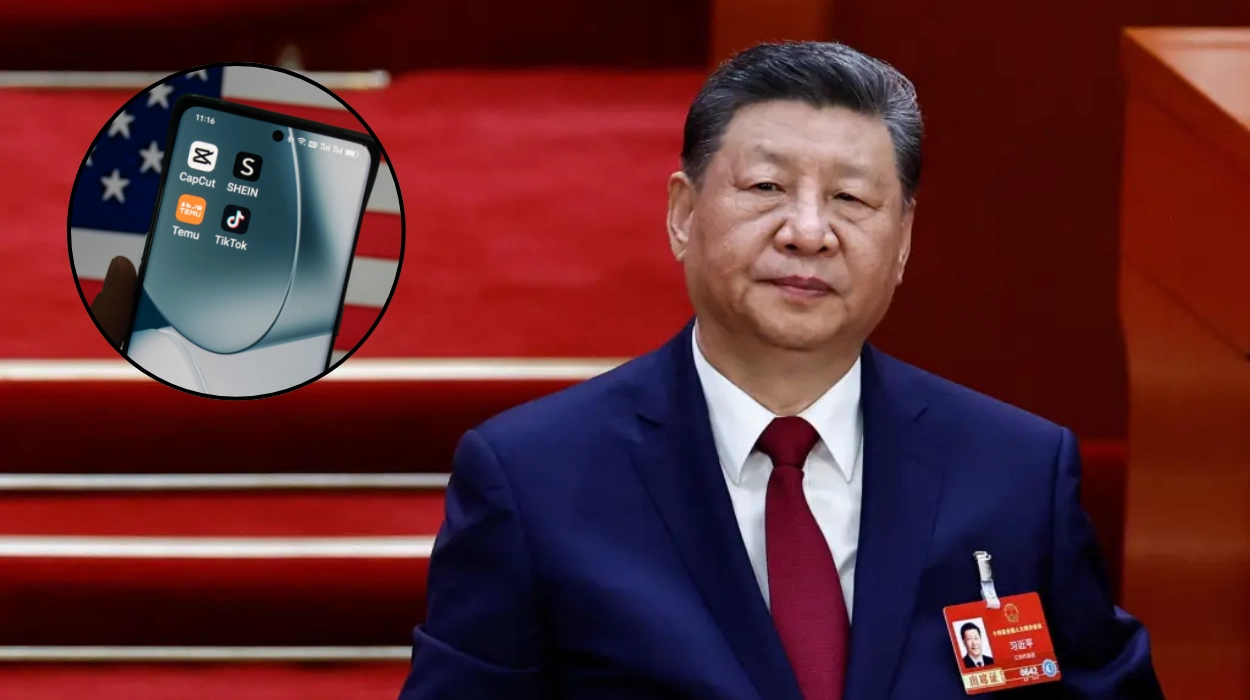
- Possible apps include CapCut, Temu, SHEIN, and Lemon8, though FBI did not name specifics.
- U.S. officials fear data could build profiles, map networks, and aid intelligence efforts via China’s national security laws.
- Warning signs include unusual battery drain, data usage spikes, or unauthorized account activity.
- Advice: Limit data sharing, use official app stores, review permissions, avoid third-party downloads due to malware risks.
- Follows years of TikTok scrutiny, ending in a 2026 deal for U.S. operational control by an American-led group.
Washington (Britain Today News) April 4, 2026 – The Federal Bureau of Investigation has issued a stark public warning to iPhone and Android users about the dangers of installing certain foreign-developed apps, highlighting how personal data could be collected and stored overseas without users’ direct knowledge.
- Key Points
- What Triggered the FBI’s Latest Mobile App Warning?
- How Can Personal Data Be Collected Without Downloading an App?
- Which Apps Are Most at Risk According to the Alert?
- Why Do China-Linked Apps Pose Unique National Security Threats?
- What Warning Signs Should Users Watch for in Suspicious Apps?
- What Broader Context Frames This FBI Alert?
- What Role Do National Security Laws Play in Data Risks?
What Triggered the FBI’s Latest Mobile App Warning?
The FBI’s public service announcement underscores growing national security concerns over data privacy in the mobile ecosystem. As reported in the New York Post, the alert emphasises that Americans’ information could be harvested indirectly—through someone else’s device—exposing even cautious users to risks.
This revelation builds on longstanding scrutiny of apps with foreign ties. U.S. officials have repeatedly cautioned that data from Chinese-linked platforms might fuel intelligence operations. The bureau explicitly notes that developer companies can store users’ private details, such as names, email addresses, user IDs, physical addresses, and phone numbers from stored contacts.
How Can Personal Data Be Collected Without Downloading an App?
Imagine sharing your contact details with a friend, only for their newly installed app to scoop up your information too. The FBI explains that once permissions are granted, apps may persistently collect data across the entire device, not just within the app itself or during active use.
“The app can persistently collect data and users’ private information throughout the device, not just within the app or while the app is active,”
the FBI stated in its announcement. This background harvesting means non-users become unwitting data subjects if listed in a contact book.
Such mechanisms amplify risks, as data lands on overseas servers. In nations like China, national security laws compel companies to hand over information to authorities, potentially mapping American personal and professional networks.
Which Apps Are Most at Risk According to the Alert?
While the FBI refrained from naming specific culprits, the warning aligns with popular apps from Chinese developers. Video-editing tool CapCut, shopping platforms Temu and SHEIN, and social media app Lemon8 frequently top U.S. download charts, drawing parallels to past concerns.
These apps, once installed, request broad permissions that unlock vast troves of data. The New York Post coverage highlights how such platforms rank highly, making the alert particularly timely for everyday users hooked on affordable shopping or quick edits.
Why Do China-Linked Apps Pose Unique National Security Threats?
Apps operating under Chinese jurisdiction fall under stringent national security laws. These mandate cooperation with government requests, raising fears of data weaponisation. U.S. intelligence has long warned that harvested details could construct detailed profiles for espionage.
The FBI’s message stresses that storage on foreign servers invites such access.
“Developer companies can store collected data on users’ private information and address books,”
the bureau detailed, painting a picture of unchecked data flows.
This extends TikTok’s saga, where fears peaked over Beijing’s influence. A 2026 agreement saw its Chinese parent divest U.S. operations to an American consortium, averting a ban but spotlighting systemic issues.
What Warning Signs Should Users Watch for in Suspicious Apps?
Vigilance is key, says the FBI. Spot unusual battery drain, sudden data usage spikes, or rogue account activity post-installation—these signal covert collection.
Third-party app sources amplify dangers, often laced with malware for unauthorised access. Official stores offer some safeguards, but users must stay proactive.
How Can iPhone and Android Users Protect Their Data?
Practical steps abound. The bureau urges minimising unnecessary sharing, sticking to verified stores, and auditing permissions regularly. Revoke access to dormant apps and monitor device behaviour closely.
By limiting exposures, individuals thwart the indirect data grabs that ensnare contacts. This collective caution fortifies personal defences in a hyper-connected world.
What Broader Context Frames This FBI Alert?
Years of TikTok debates culminated in regulatory action, yet the FBI signals perils persist across platforms. The alert, amid rising cyber threats, calls for ecosystem-wide reforms.
Experts echo that foreign apps’ data appetites outpace safeguards, urging congressional scrutiny. As mobile reliance grows, so do stakes—personal details fuel not just ads, but potential statecraft.
Has the Government Taken Action Against Data-Harvesting Apps Before?
TikTok’s pivot exemplifies response. The 2026 deal transferred U.S. reins to domestic hands, addressing core fears over data pipelines to China.
Yet, the FBI’s broad advisory implies no single fix suffices. It targets a constellation of apps, pressing users and policymakers alike.
Will This Alert Change App Download Habits in the US?
Downloads may dip for flagged categories, but addictive features—bargain hunts on Temu, SHEIN’s trends, CapCut’s edits—test resolve. Awareness could spur selectivity.
The FBI hopes to empower choices, fostering a security-first culture. Early signs suggest buzz, with users querying permissions anew.
What Role Do National Security Laws Play in Data Risks?
China’s framework demands compliance, overriding privacy pledges. Apps there must yield to state demands, exporting risks to global users.
U.S. countermeasures lag, but alerts like this bridge gaps, alerting citizens to invisible threats.