Key Points
- Donald Trump has criticised European countries, including the UK and France, for not joining the US-led war against Iran, and told governments worried about fuel prices to “go get your own oil” from the Gulf.
- Trump’s comments came amid rising transatlantic tensions and a wider economic shock triggered by the conflict, which has pushed oil and fuel prices higher.
- France blocked Israeli planes carrying weapons from using its airspace, while Italy refused last-minute permission for US bombers to land in Sicily, according to reports.
- Spain has already denied the US use of its bases and airspace for the war, and Madrid said it would not “accept lectures from anyone”.
- The UK has allowed the US to use its bases, despite the British government describing the war as illegal.
- Trump also criticised France for not allowing planes headed to Israel, carrying military supplies, to fly over French territory, with Paris saying it had not changed its position since the start of the war.
- Irish Taoiseach Micheál Martin said the oil supply shock caused by the attack on Iran was “probably the worst ever”.
- The conflict has killed more than 3,000 people, with further strikes and retaliation reported in the Gulf and elsewhere, including blasts in Riyadh, a hit on a Kuwaiti oil tanker, and US strikes on Isfahan.
- Iran’s president, Masoud Pezeshkian, said Tehran had the “necessary will” to end the war if essential conditions were met, including guarantees that it would not happen again.
- Trump has warned that if a ceasefire is not reached soon, the US could broaden its offensive, including attacks on Iran’s power stations and fresh water plants.
Washington (Britain Today News) March 31, 2026 – Donald Trump has escalated his criticism of European allies after several countries refused to back the US-led war against Iran, using Truth Social to lash out at governments he считает unhelpful in the conflict. As reported by Oliver Holmes, Angela Giuffrida and Stephen Burgen of The Guardian, Trump told countries concerned about fuel prices to “go get your own oil”, while also taking aim at the UK and France for not fully supporting the campaign.
- Key Points
- What did Trump say about Europe and oil?
- Which European countries pushed back?
- What was France’s response?
- How badly is the war affecting the economy?
- What is happening militarily in the conflict?
- What is Iran saying now?
- What has Trump threatened next?
- How are transatlantic ties changing?
- Why does the Strait of Hormuz matter so much?
- What happens next?
Trump’s remarks come at a time when the war is already putting severe pressure on global markets. Oil prices have risen sharply, fuel costs have climbed, and the conflict has deepened political divisions between Washington and several European capitals. Reuters also reported that European states have pushed back on some US military operations linked to the war, reinforcing the sense of a widening rift inside the Western alliance.
What did Trump say about Europe and oil?
Trump’s central message was blunt: if European states were worried about energy costs, they should secure their own supplies from the Gulf rather than criticising his approach to Iran. According to The Guardian, he said governments should “go get your own oil” and suggested they should “build up some delayed courage” and “just TAKE IT”.
He also singled out the UK, saying it had refused to get involved in what he described as the “decapitation of Iran”, and implied that countries facing jet fuel shortages should buy US oil instead. The comments were repeated in a similar tone by US defence secretary Pete Hegseth, who said some countries
“ought be prepared to step up on this critical waterway as well”.
Which European countries pushed back?
France, Italy and Spain have all taken steps that complicate US and Israeli military logistics, according to reporting by The Guardian, Reuters and US News. France blocked Israeli planes carrying weapons from using its airspace, Italy denied last-minute permission for US bombers to land in Sicily, and Spain has already refused the US use of its bases and airspace for the war.
Spain’s defence minister, Margarita Robles, said Madrid would not “accept lectures from anyone”, and argued that the US and Israel could not decide the rules of peace
“without anyone’s support, not even of their allies”.
Reuters separately reported that France and Italy had opposed some military actions by the US and Israel, showing how the conflict has started to test European unity and NATO ties.
What was France’s response?
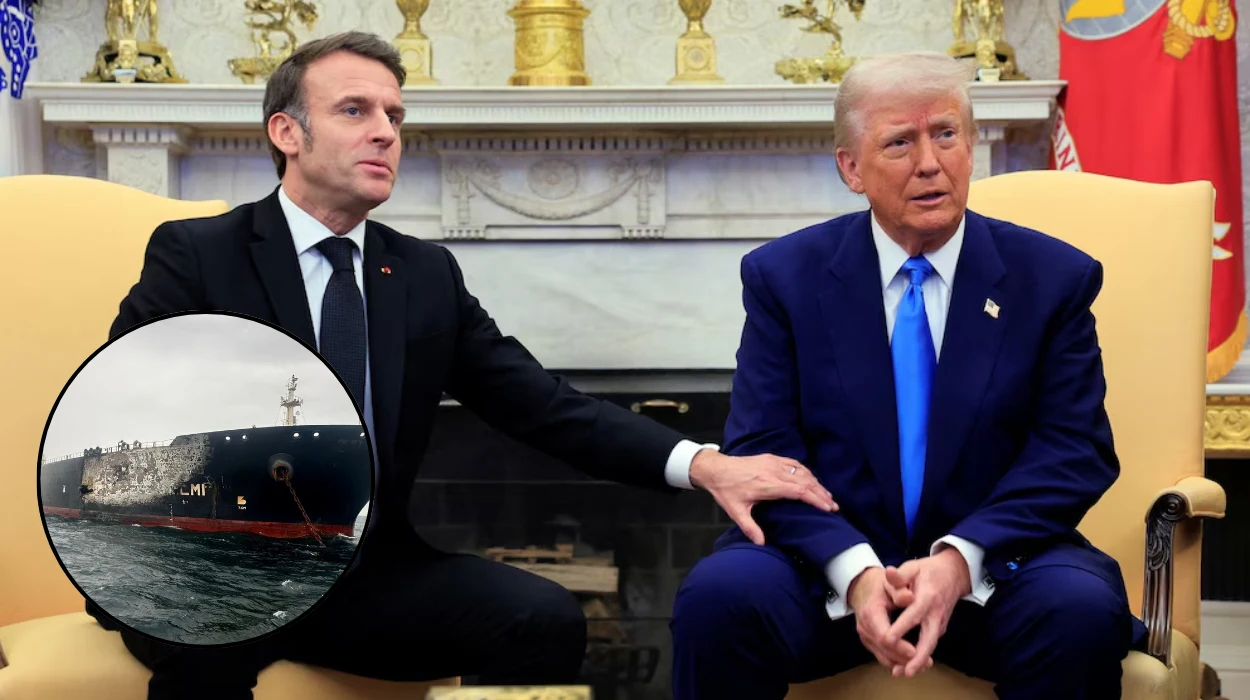
France said it had not altered its position and expressed surprise at Trump’s criticism. The office of President Emmanuel Macron said Paris had “not changed its position since day one” of the war, rejecting the suggestion that it had been unhelpful.
The Guardian reported that Trump had accused France of refusing to let planes bound for Israel, loaded with military supplies, cross French territory. French officials, however, maintained that their stance remained the same, underlining the diplomatic strain created by the conflict.
How badly is the war affecting the economy?
The conflict has become an economic emergency well beyond the Middle East. Reuters reported that average US gasoline prices crossed $3 a gallon for the first time since November, and The Guardian said average US gas prices later passed $4 a gallon for the first time in four years, reflecting the scale of the shock.
The Guardian also said that global frustration is rising because the war is hitting inflation, growth and the cost of living at the same time. Irish Taoiseach Micheál Martin called the oil supply shock “probably the worst ever”, a sign that the fallout is now being felt in Europe’s political debate as much as in energy markets.
What is happening militarily in the conflict?
The fighting has broadened and intensified, with The Guardian reporting blasts in Riyadh, an Iranian attack on a fully loaded Kuwaiti oil tanker in the Gulf, and US strikes on Isfahan, home to one of Iran’s main nuclear sites. The conflict has reportedly killed more than 3,000 people.
Israel has also stepped up operations in Lebanon, with defence minister Israel Katz saying the military would occupy parts of southern Lebanon and maintain control up to the Litani River even after the current war with Hezbollah ends. The Guardian said Katz also indicated that Lebanese residents would be blocked from returning home in those areas, and that some villages near the border would be demolished.
What is Iran saying now?
Iran’s president, Masoud Pezeshkian, said on Tuesday that Tehran had the “necessary will” to end the war, but only if essential conditions were met, especially guarantees that the conflict would not recur. That suggests Iran is open to some kind of negotiated outcome, but only if it believes a pause would not simply lead to another attack.
The Guardian said Washington has been negotiating hard with Tehran, but the Iranian leadership views the crisis as an existential fight. That makes a rapid settlement difficult, especially while air strikes, tanker attacks and the energy crisis continue to intensify.
What has Trump threatened next?
Trump has warned that if a ceasefire is not reached “shortly”, the US will widen its offensive. The Guardian reported that he threatened to “obliterate” Iran’s power stations and fresh water plants, with legal scholars saying such attacks would probably amount to war crimes.
That threat has added urgency to already fraught diplomacy, and it has also deepened criticism from European governments that believe the conflict is becoming more reckless and less controllable. Reuters reported that European states are pushing back more openly on some US military operations, which could mark a longer-term shift in the transatlantic relationship.
How are transatlantic ties changing?
The row over Iran has exposed a growing divide between Washington and several European capitals. The Guardian reported that Trump’s attack on allies came just as France, Italy and Spain were refusing or restricting military support tied to the war, while Spain openly defended its refusal to back what it sees as an illegal conflict.
At the same time, Reuters said Europe is moving to secure regional shipping routes and protect Cyprus, suggesting that some governments are trying to contain the fallout without fully aligning themselves with US military choices. That puts Europe in a delicate position: resisting escalation, protecting energy supplies and avoiding an open breach with Washington.
Why does the Strait of Hormuz matter so much?
The Strait of Hormuz is central to the energy shock because any disruption there threatens global oil shipments. The Guardian said Trump was angry about Iran closing off the strait, although such a move had been widely expected if the war escalated into a full assault on Tehran.
That chokepoint matters to Europe as much as to the US because energy prices feed directly into inflation, transport costs and household bills. Reuters reported earlier in March that US gasoline prices had already crossed $3 a gallon, showing how quickly the conflict is translating into public economic pressure.
What happens next?
The immediate outlook remains unstable. Trump is pressing for a ceasefire, but he is also threatening broader attacks if one is not reached soon, while Iran is demanding guarantees that the war will not simply restart after any pause.
For Europe, the challenge is now twofold: managing the economic shock and deciding how far it is willing to support a war that several governments increasingly describe as unlawful or reckless. The latest moves by France, Italy and Spain suggest that pressure is building for a more independent European response, even as the transatlantic relationship comes under heavier strain.