Key Points
- President Donald Trump gave Iran 48 hours to make a deal or open the Strait of Hormuz, threatening intensified attacks.
- Search ongoing for missing American pilot from one of two US warplanes downed over Iran and the Gulf.
- One crew member recovered from F-15E jet; two Black Hawk helicopters hit during rescue but escaped.
- A-10 Warthog crashed over Kuwait after being hit; pilot ejected.
- Iran’s Foreign Minister Abbas Araqchi open to peace talks via Pakistan mediation but insists on ending “illegal war.”
- Senior Israeli defence official preparing attacks on Iranian energy facilities within a week, awaiting US approval.
- Iran shut Strait of Hormuz, causing energy crisis; authorised essential goods passage on Saturday.
- Iranian strikes: drones on US radar in UAE, aluminium plant, Kuwait HQ; vessel hit in strait.
- Air strikes on Iranian petrochemical zone, Bushehr nuclear plant (one killed), water warehouses, and Tehran.
- Iran touts new air defence systems downing US jet, drones, missiles; Revolutionary Guards targeting Israel.
- War began February 28 with US-Israeli bombardment; killed thousands, including Supreme Leader Ayatollah Ali Khamenei.
- Israel striking Hezbollah in Lebanon; oil prices jumped 11%; EU ministers call for energy windfall tax.
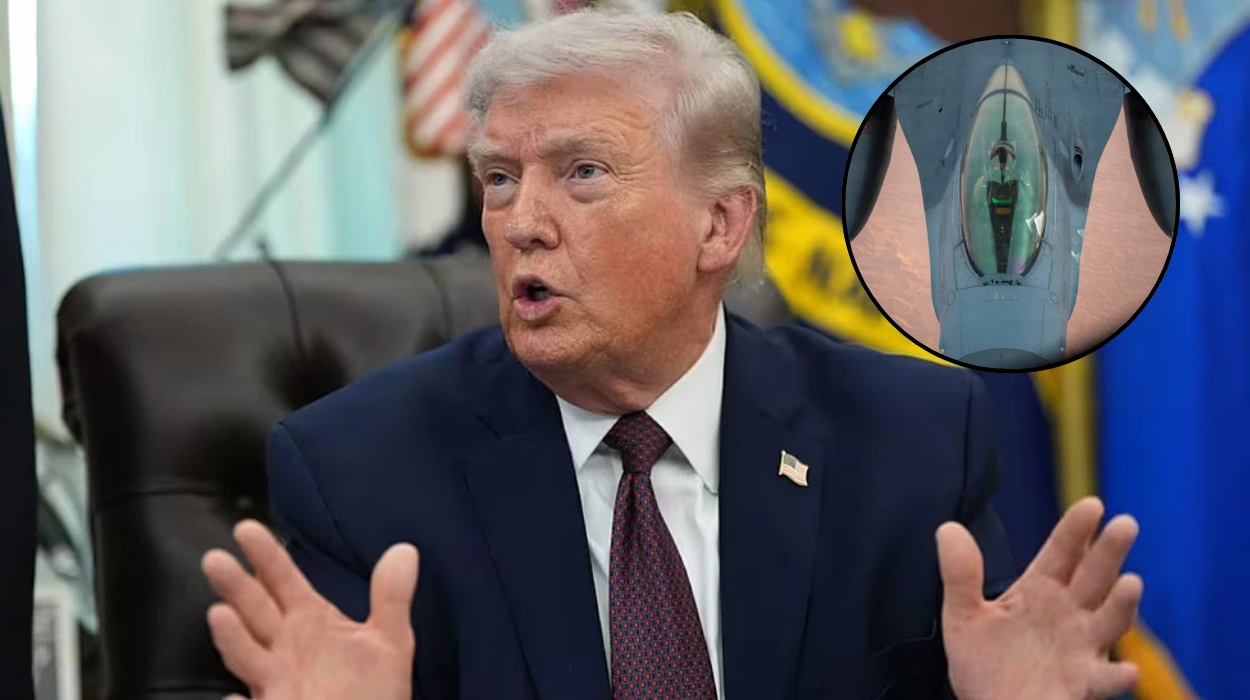
Washington (Britain Today News) April 4, 2026 – President Donald Trump has issued a stark 48-hour ultimatum to Iran, demanding a deal to end the ongoing war or face devastating attacks, as US and Iranian forces intensify searches for a missing American pilot from a downed warplane over Iran.
- Key Points
- What Triggered Trump’s Latest 48-Hour Deadline?
- Who Is the Missing US Pilot and What Happened to the Warplanes?
- How Has Iran Responded Militarily?
- What Recent Strikes Hit Iranian Targets?
- What Did Iran’s Foreign Minister Say About Peace Talks?
- How Has the War Impacted the Global Economy?
- What Are the Broader Risks and Stakes?
The conflict, now in its sixth week, escalated further with the downing of two US aircraft, highlighting persistent risks to American and Israeli planes despite claims of air superiority by Trump and Defence Secretary Pete Hegseth. One pilot remains at large, raising tensions in Washington amid low public support for prolonged fighting and no immediate peace prospects.
Iran’s leadership remains defiant, with Foreign Minister Abbas Araqchi signalling openness to mediated talks in Islamabad but rejecting any capitulation to US demands.
What Triggered Trump’s Latest 48-Hour Deadline?
Trump’s warning came via a post on Truth Social, where he referenced his earlier 10-day ultimatum.
“Remember when I gave Iran ten days to MAKE A DEAL or OPEN UP THE HORMUZ STRAIT. Time is running out – 48 hours before all Hell will reign (sic) down on them. Glory be to GOD!”
he wrote.
This follows mixed signals from the president since the war’s start on February 28 with US-Israeli bombardments. He has alternated between hints of diplomacy and threats to bomb Iran “back to the Stone Ages.”
The ultimatum aligns with pressure tactics, as a senior Israeli defence official indicated preparations to strike Iranian energy facilities within the next week, pending US approval. Trump has previously warned of targeting power plants if demands go unmet.
Iran’s near-total closure of the Strait of Hormuz, which handles a fifth of global oil and liquefied natural gas, has triggered an energy crisis threatening world economies. On Saturday, however, the Tasnim news agency reported Iran authorising passage for vessels with essential goods to its ports.
Who Is the Missing US Pilot and What Happened to the Warplanes?
US and Iranian forces scoured areas on Saturday for a missing pilot from a two-seat F-15E jet downed over Iran, as confirmed by officials in both nations. A US official noted search-and-rescue teams recovered one crew member on Friday.
Two Black Hawk helicopters aiding the hunt took Iranian fire but exited Iranian airspace safely, according to two US officials speaking to Reuters.
In a related incident, an A-10 Warthog fighter was hit and crashed over Kuwait, with the pilot ejecting successfully.
Iran’s Islamic Revolutionary Guard Corps reported combing a southwestern zone near the crash site, while the regional governor offered commendations for capturing or killing “forces of the hostile enemy.”
These events underscore vulnerabilities for US and Israeli aircraft, contradicting assertions by Trump and Hegseth of total sky control over Iran.
How Has Iran Responded Militarily?
Iran celebrated downing the aircraft, with the Khatam al-Anbiya joint military command crediting a new indigenous air-defence system. It targeted a US fighter jet, three drones, and two cruise missiles on Friday.
“The enemy should know that we rely on new air-defense systems built by the young, knowledgeable, and proud people of this country, unveiling them one after another in the field,”
a Khatam al-Anbiya spokesperson stated, per Iran’s state media.
The Revolutionary Guards’ navy commander claimed a drone strike on an Israel-affiliated vessel in the Strait of Hormuz set it ablaze, according to state media.
Iranian state TV detailed retaliatory drone launches at US radar installations, a US-linked aluminium plant in the United Arab Emirates, and US military headquarters in Kuwait, following attacks on Iranian industrial sites.
The Guards also unleashed missiles and drones at Israel, with two warheads from a cluster missile landing near Israel’s Kirya military headquarters in Tel Aviv, as reported by Israeli media. Later Saturday, the Israel Defence Forces detected additional Iranian missiles inbound.
What Recent Strikes Hit Iranian Targets?
Hostilities raged on Saturday with air strikes on a southwestern Iranian petrochemical zone, injuring five, per Iranian state media. A projectile struck an auxiliary building near Bushehr nuclear plant’s perimeter, killing one, though operations continued unaffected, Tasnim reported.
Iranian media further noted strikes on western warehouses storing bottled water.
The Israeli military conducted “a wave of strikes” on Tehran.
Foreign Minister Abbas Araqchi highlighted the Bushehr hits on X:
“Remember the Western outrage about hostilities near Zaporizhzhia Nuclear Power Plant in Ukraine? Israel-U.S. have bombed our Bushehr plant four times now. Radioactive fallout will end life in GCC capitals, not Tehran.”
Israel simultaneously targeted Iran-backed Hezbollah infrastructure in Beirut, Lebanon, early Saturday, after the group fired in support of Iran.
Debris from aerial interceptions damaged two Dubai buildings, including Oracle’s in Dubai Internet City, but caused no injuries, local authorities said.
What Did Iran’s Foreign Minister Say About Peace Talks?
Amid defiance, Araqchi left room for diplomacy.
“We are deeply grateful to Pakistan for its efforts and have never refused to go to Islamabad. What we care about are the terms of a conclusive and lasting END to the illegal war that is imposed on us,”
he posted on X.
This contrasts with Tehran’s rejections of direct US terms since the war’s outset.
How Has the War Impacted the Global Economy?
The conflict has claimed thousands of lives, including Supreme Leader Ayatollah Ali Khamenei in initial strikes, and ignited an energy crisis. Benchmark US crude surged 11% on Thursday after Trump’s speech offered no war-end signals; oil markets closed Saturday.
Five EU finance ministers urged a windfall profits tax on energy firms amid soaring fuel prices, in a letter viewed by Reuters. Nations from Germany to Japan grapple with fallout.
Iran’s Hormuz blockade exacerbates shortages, though Saturday’s essential goods allowance offers minor relief.
What Are the Broader Risks and Stakes?
A live US service member evading capture in Iran heightens stakes for Washington, with polls indicating scant public backing as peace talks fade.
Trump’s threats, Israel’s poised strikes, and Iran’s touted defences signal no de-escalation. Gulf allies have avoided direct entry, fearing wider war.
The downings expose operational gaps, while nuclear site strikes near Bushehr evoke global nuclear safety alarms.