Key Points
- U.S. envoys Steve Witkoff and Jared Kushner expected to travel to Pakistan on Saturday to salvage ceasefire talks with Iran.
- Iran’s Foreign Minister Abbas Araghchi arrived in Islamabad, ruling out direct negotiations with U.S. representatives; talks to be indirect via Pakistani mediation.
- Indefinite ceasefire pauses most fighting, but economic fallout mounts with Strait of Hormuz near-closure disrupting global energy shipments.
- White House declined to comment; press secretary Karoline Leavitt noted progress from Iran and envoys will “hear the Iranians out.”
- Iran resumed commercial flights from Tehran to Istanbul, Muscat, and Medina for first time since conflict began two months ago.
- Araghchi met Pakistan’s military chief of staff and Prime Minister Shehbaz Sharif, discussing regional developments and Iran’s red lines; Tehran to engage Pakistan’s efforts “until a result is achieved.”
- Islamabad under weeklong security restrictions, near-lockdown with checkpoints, road closures, and helicopter patrols ahead of talks.
- Previous indirect talks in Geneva on 27 February failed; war with Israel and U.S. started next day.
- Trump extended Jones Act waiver for 90 days to ease oil and gas shipments using non-U.S. vessels amid Hormuz blockade.
- Brent crude oil prices between $103-$107 per barrel, up nearly 50% since war began; Iran attacked three ships this week.
- U.S. maintains blockade on Iranian ports; Trump ordered “shoot and kill” on small boats potentially placing mines.
- Germany sending minesweeper ships to Mediterranean to clear Iranian mines from Hormuz post-hostilities.
- War toll: 3,375 killed in Iran, 2,490 in Lebanon, 23 in Israel, dozens in Gulf states; 15 Israeli soldiers, 13 U.S. service members, 6 UNIFIL peacekeepers dead.
- Israel-Lebanon ceasefire extended three weeks; Netanyahu hails “historic peace process”; Hezbollah not participating.
Islamabad (Britain Today New) – April 25, 2026 – U.S. envoys Steve Witkoff and Jared Kushner are set to arrive in Islamabad on Saturday in a fresh attempt to broker ceasefire talks with Iran, even as Tehran’s Foreign Minister Abbas Araghchi firmly ruled out direct negotiations with American representatives.
- Key Points
- Why Is Pakistan Hosting These Critical Talks?
- Who Are the Key U.S. Envoys Heading to Islamabad?
- What Did Iran’s Foreign Minister State in Islamabad?
- How Has the Strait of Hormuz Closure Impacted Global Trade?
- What Is the Human and Regional Toll of the Conflict?
- Can Indirect Talks Lead to a Lasting Ceasefire?
The diplomatic push unfolds against a fragile indefinite ceasefire that has halted most hostilities between the U.S., Israel, and Iran, now two months into a conflict that has ravaged the region. Yet, the economic scars deepen, with the near-total shutdown of the Strait of Hormuz choking global energy flows and sending oil prices soaring.
Why Is Pakistan Hosting These Critical Talks?
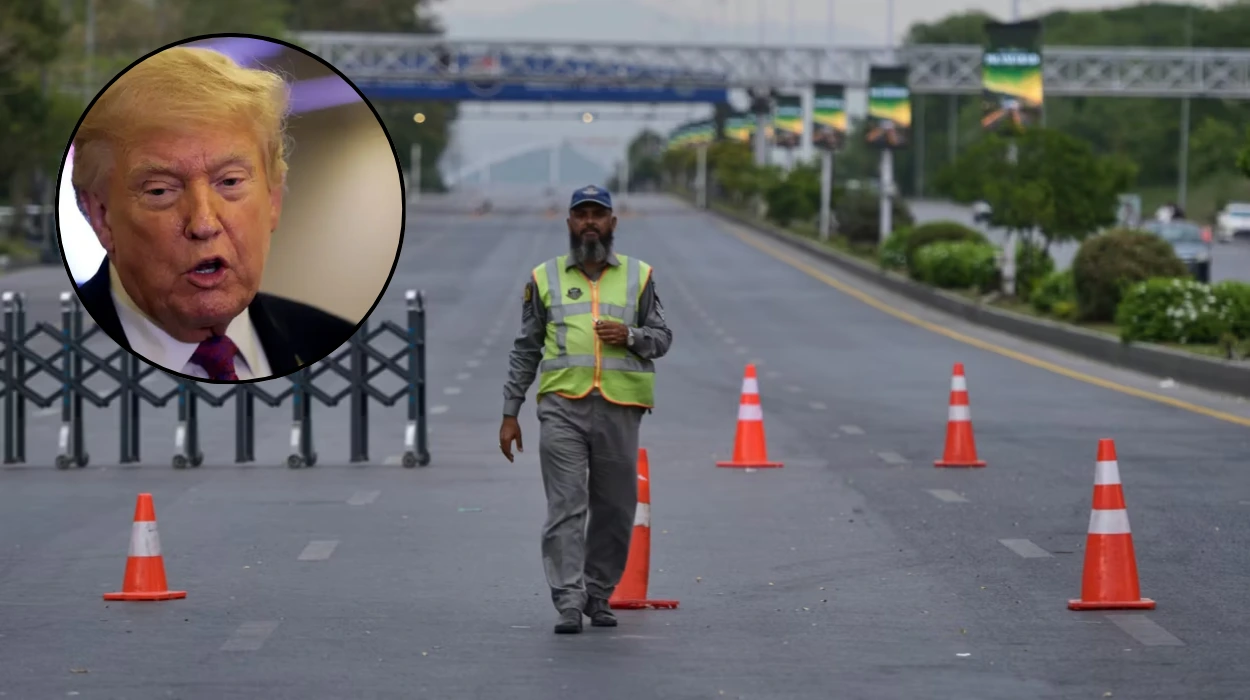
Pakistan has positioned itself as a key mediator, urging the U.S. and Iran back to the negotiating table following President Donald Trump’s announcement this week of an indefinite ceasefire extension at Islamabad’s request. The capital, gripped by weeklong security measures, resembled a fortress on Saturday morning. Residents faced severe disruptions from routine checkpoints, road closures, and diversions, particularly along routes to the airport and the fortified Red Zone.
Security forces, comprising troops, paramilitary commandos, police, and circling helicopters, maintained a heavy presence at intersections. The usually bustling arteries stood eerily deserted, underscoring the high stakes of the impending discussions.
As reported by Associated Press journalists covering the scene, these measures reflect Islamabad’s determination to facilitate dialogue amid mounting pressures.
Who Are the Key U.S. Envoys Heading to Islamabad?
President Trump’s negotiation team, led by Steve Witkoff and Jared Kushner, remains shrouded in some uncertainty regarding exact arrival times, with the White House declining comment on Saturday. On Friday, White House press secretary Karoline Leavitt told Fox News that the envoys would “hear the Iranians out,” adding,
“We’ve certainly seen some progress from the Iranian side in the last couple of days.”
She offered no specifics on the intelligence guiding this optimism.
This mission revives efforts after indirect talks in Geneva on 27 February, where Araghchi and the U.S. team discussed Tehran’s nuclear programme but failed to reach agreement. Hostilities erupted the following day between Israel, the U.S., and Iran.
What Did Iran’s Foreign Minister State in Islamabad?
Abbas Araghchi landed in Islamabad and promptly met Pakistan’s military chief of staff and Prime Minister Shehbaz Sharif. In a Telegram post, Araghchi revealed they addressed regional developments, including Iran’s non-negotiable red lines for any talks. He provided no further details but affirmed Tehran’s commitment: “until a result is achieved,” Iran would persist with Pakistan’s mediation.
Shortly after his arrival, Iran’s foreign ministry clarified that discussions would remain indirect, with Pakistani officials shuttling messages between sides. This stance dashes hopes for face-to-face U.S.-Iran encounters.
Iran’s state-run television reported the resumption of commercial flights from Tehran’s international airport – the first since the conflict ignited. Departures targeted Istanbul, Oman’s Muscat, and Saudi Arabia’s Medina, following a partial airspace reopening earlier this month under ceasefire terms.
How Has the Strait of Hormuz Closure Impacted Global Trade?
The Strait of Hormuz, vital for a fifth of global oil in peacetime, remains a flashpoint. Iran maintains its grip, attacking three ships this week, while the U.S. enforces a blockade on Iranian ports. Trump has directed forces to “shoot and kill” small boats suspected of laying mines.
Ripple effects extend worldwide, including strains on the Panama Canal’s trade volumes nearly halfway around the globe. Brent crude, the benchmark, fluctuated between $103 and over $107 per barrel on Friday – nearly 50% above pre-war levels.
In a related move, Trump extended the Jones Act waiver for 90 days on Friday, permitting non-U.S. vessels to transport oil and natural gas. Initially a 60-day measure announced in March, it aims to stabilise U.S. energy prices amid the crisis.
Germany’s Defense Minister Boris Pistorius announced Saturday that Berlin would dispatch minesweeper ships to the Mediterranean to clear Iranian mines from the strait once fighting fully ceases.
What Is the Human and Regional Toll of the Conflict?
Casualties mount despite the ceasefire. Iranian authorities report at least 3,375 deaths within their borders. In Lebanon, over 2,490 have perished amid fresh clashes between Israel and Iran-backed Hezbollah, which ignited two days after the Iran war began. Israel mourns 23 civilians, with 15 soldiers lost in Lebanon; Gulf Arab states tally more than a dozen fatalities. Thirteen U.S. service members have died across the region.
The U.N. Interim Force in Lebanon (UNIFIL) has suffered too. An Indonesian peacekeeper succumbed to wounds from a 29 March base attack, bringing the toll to six: four Indonesians and two French.
Tensions simmer in Lebanon after Thursday’s announcement of a three-week ceasefire extension between Israel and Hezbollah, brokered in Washington. Hezbollah has boycotted the process. Israeli Prime Minister Benjamin Netanyahu, in a video from his office on Friday, celebrated
“a process to achieve a historic peace between Israel and Lebanon.”
Can Indirect Talks Lead to a Lasting Ceasefire?
Pakistan’s mediation builds on its earlier pleas for extended diplomacy, which Trump honoured. The White House confirmed Friday the dispatch of Witkoff and Kushner to engage Araghchi indirectly. Yet, past Geneva failure looms large, and Iran’s insistence on no direct U.S. contact tests resolve.
Islamabad’s lockdown highlights the delicate balance: fostering talks while shielding against disruptions or threats. As Araghchi engages Pakistani leaders, the world watches whether this shuttle diplomacy can unlock progress where direct channels falter.
The economic urgency – from oil spikes to trade rerouting – amplifies pressure. With flights resuming and waivers issued, glimmers of normalisation emerge, but Hormuz’s chokehold persists. Trump’s team arrives amid guarded U.S. optimism, Iran’s firm red lines, and Pakistan’s pivotal role.
This convergence in Islamabad could redefine regional dynamics, or deepen stalemate. Envoys’ arrival marks a pivotal moment in a war that has claimed thousands and upended global markets.