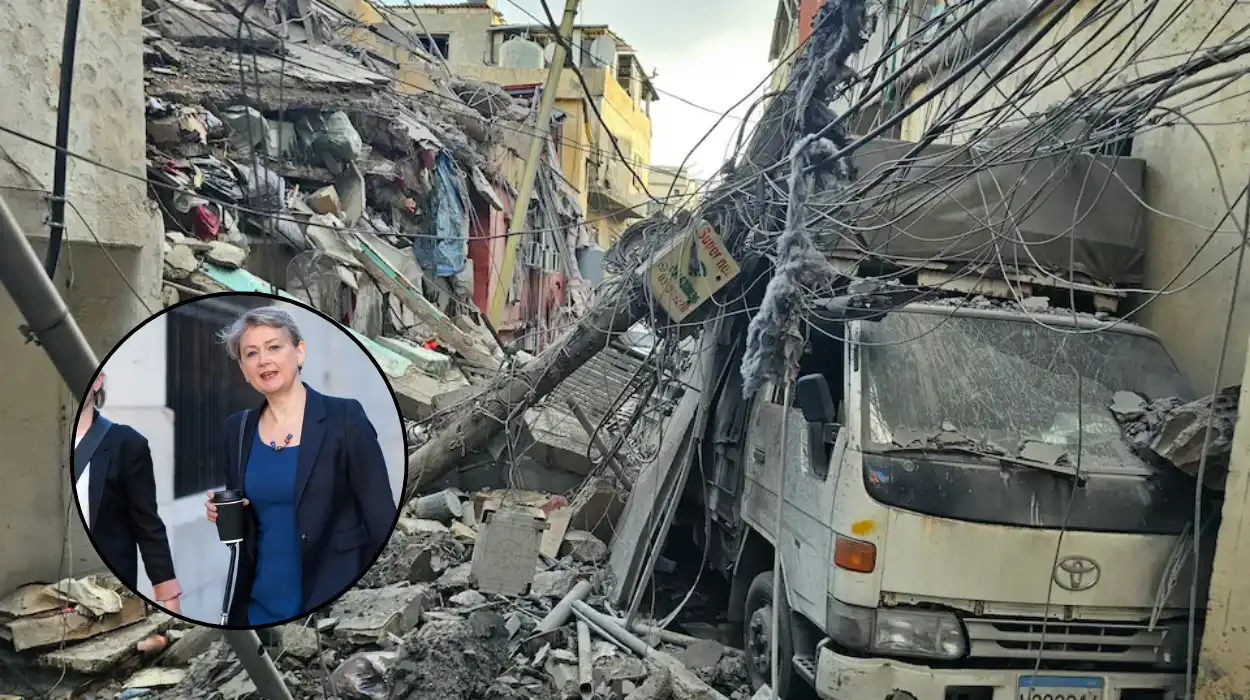
Key Points
- Sir Keir Starmer said Israel’s strikes on Lebanon “shouldn’t be happening” and argued they are “wrong”.
- Foreign Secretary Yvette Cooper said the attacks were “deeply damaging” and warned they could destabilise the wider region.
- The UK says it wants any ceasefire to be extended to cover Lebanon.
- Donald Trump and Israel say Lebanon is not included in the ceasefire agreement, while Iran says it is.
- Israel carried out a surprise attack on central Beirut, hitting 100 targets in 10 minutes, according to the report.
- Local authorities said 112 people were killed in the strikes.
- Benjamin Netanyahu said the temporary ceasefire with Iran would not include Hezbollah, and Israel would keep striking it.
- Iran has threatened to restart the war if Israel continues bombing Lebanon and has also moved to block oil tankers through the Strait of Hormuz.
- Yvette Cooper criticised Trump’s rhetoric, saying it was “completely wrong” and escalatory.
- The US-UK relationship remains deep, according to Cooper, despite the disagreement.
- Trump has been angered by what he sees as weak support from allies and has raised the possibility of Nato withdrawal.
- Sir Keir Starmer is in the Gulf for talks aimed at reducing escalation.
- Green Party leader Zack Polanski called for tougher measures against Israel, including sanctions and pressure through trade and arms policy.
London (Britain Today News) April 9, 2026 — Sir Keir Starmer has publicly broken with Donald Trump over Israel’s strikes on Lebanon, saying the attacks “shouldn’t be happening” and insisting they are “wrong” as tensions rise across the region.
- Key Points
- Why did Starmer criticise the strikes?
- What did Yvette Cooper say?
- How did the UK describe the ceasefire issue?
- What happened in Beirut?
- What did Netanyahu and Iran say?
- Why does this matter for Trump?
- How has the UK-US relationship been affected?
- What is Starmer doing in the Gulf?
- What did Zack Polanski demand?
- What is the wider diplomatic fallout?
Why did Starmer criticise the strikes?
Sir Keir said Britain’s view is that the strikes should stop and that the question is not simply whether they technically breach a ceasefire agreement. He said the UK does not have access to all the details of the ceasefire but made clear that, in his view, the attacks are wrong. His remarks came during a visit to the Gulf, adding diplomatic weight to the UK’s criticism at a sensitive moment.
What did Yvette Cooper say?
Foreign Secretary Yvette Cooper also condemned the attacks, warning that Israel’s strikes were “deeply damaging” and risked destabilising the region. She said Britain takes a “different” view from Washington and wants Lebanon included in any ceasefire arrangement to prevent further escalation. Cooper said the end of hostilities should cover Lebanon as well, while acknowledging the need to address the threat posed by Hezbollah.
How did the UK describe the ceasefire issue?
Britain’s position, as set out in the report, is that the ceasefire should be widened so Lebanon is covered. Cooper argued that leaving Lebanon out would destabilise the entire region and said it was also “the right thing to do”. The dispute matters because both Donald Trump and Israel say Lebanon is not part of the ceasefire agreement, while Iran says it is.
What happened in Beirut?
The report says Israel launched a surprise attack on central Beirut on Wednesday afternoon, hitting 100 targets in 10 minutes. Israeli authorities said the operation was aimed at rooting out Iranian-backed Hezbollah forces. Local authorities said 112 people were killed, underlining the scale of the destruction and the human toll of the escalation.
What did Netanyahu and Iran say?
Benjamin Netanyahu said on Wednesday night that the temporary ceasefire with Iran would not include Hezbollah and that Israel would continue striking it “with all of our might”. Iran responded by threatening to restart the war if Israel keeps bombing Lebanon. It also stopped oil tankers heading through the Strait of Hormuz in protest, increasing pressure on already fragile regional security.
Why does this matter for Trump?
The dispute has widened the strain between Trump and Nato allies, including Britain. Trump has expressed anger at what he sees as a lack of support since the US and Israel began bombing Iran six weeks ago, and he discussed the possibility of the US leaving Nato with Secretary General Mark Rutte. He also complained publicly that Nato was not there when the US needed it and may not be there in future.
How has the UK-US relationship been affected?
Starmer has been under repeated pressure from Trump after refusing to join the war on Iran and initially denying permission for US strikes from British military bases, including Diego Garcia in the Chagos Islands. The report says he later allowed strikes for
“specific and limited defensive purposes”.
Trump has also reportedly insulted Starmer personally, but Cooper stressed that the wider UK-US relationship remains deep and strategically important.
What is Starmer doing in the Gulf?
Sir Keir arrived in the United Arab Emirates on Thursday morning for high-level talks intended to prevent further escalation. He had already spoken with Saudi Crown Prince Mohammed bin Salman in Jeddah and is expected to meet UAE President Sheikh Mohamed bin Zayed Al Nahyan. In Saudi Arabia, he said Britain has helped convene countries to coordinate action to reopen the Strait of Hormuz and said more work is needed to make the temporary ceasefire permanent.
What did Zack Polanski demand?
Green Party leader Zack Polanski called for stronger action against Israel, including pulling out of the UK-Israel trade agreement and imposing more sanctions. He said the Government should use “every sanction” and “every arms embargo” available to stop further civilian deaths. Polanski also argued that Britain should not put a financial price on people’s rights.
What is the wider diplomatic fallout?
A widening split between London and Washington over how to handle the conflict and its regional spillover. Britain is urging restraint, a broader ceasefire, and a diplomatic route to reduce hostilities, while Trump is pressing allies for greater support and showing frustration with Nato partners. With attacks continuing, the ceasefire’s future, Lebanon’s security, and access through the Strait of Hormuz remain major concerns.