Key Points
- U.S. President Donald Trump states no need for China’s help to resolve Iran war and free Strait of Hormuz, ahead of Beijing summit with Xi Jinping.
- Trump asserts U.S. will “win it one way or the other, peacefully or otherwise,” downplaying China’s involvement.
- Iran strikes export deals with Iraq and Pakistan to ship oil and LNG, firming control over Hormuz; sources confirm deals entrench Tehran’s grip.
- Iranian army spokesperson claims Hormuz supervision could double oil revenue and boost leverage; “After this war ends, there will be no place for retreat.”
- U.S. and Iran demands far apart post-ceasefire: U.S. seeks nuclear programme scrap and strait access; Iran wants war compensation, end to blockade, halt to fights including Lebanon.
- Trump dismisses Iran’s positions as “garbage” and says Americans’ financial pain irrelevant to strategy: “Not even a little bit… We cannot let Iran have a nuclear weapon.”
- Chinese supertanker with 2 million barrels Iraqi crude attempts Hormuz passage, third such voyage since U.S.-Israel strikes on February 28.
- U.S.-China officials agree no tolls on regional traffic; China does not dispute.
- IEA forecasts global oil supply undershoots demand by 3.9 million barrels/day in 2026 due to war disruptions; over 1 billion barrels Middle East supply lost.
- Brent crude at $108/barrel amid Hormuz deadlock; U.S. inflation accelerates with largest annual gain in three years.
- War unpopular: Reuters/Ipsos poll shows two-thirds of Americans, including one-third Republicans, say Trump unexplained war goals.
- Israel airstrikes kill eight, including two children, on Beirut highway; Iran demands Lebanon guarantees.
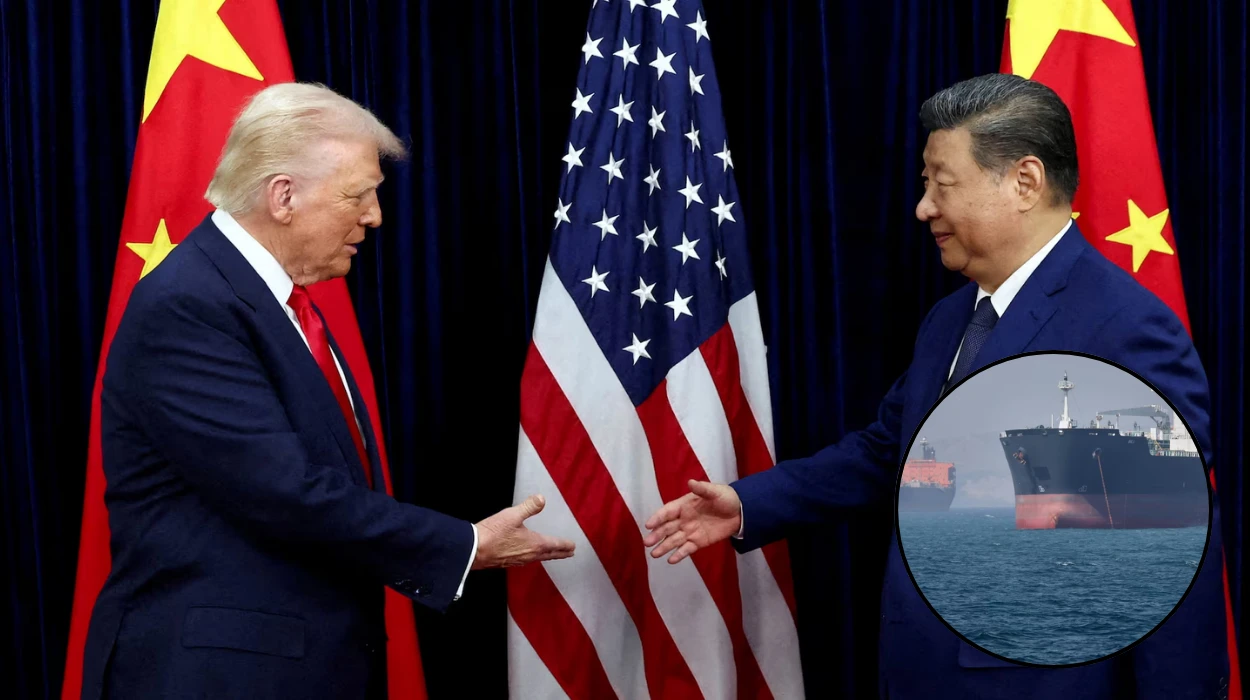
Washington (Britain Today News) – May 13, 2026 – U.S. President Donald Trump declared on Wednesday that America requires no assistance from China to conclude the war with Iran and dismantle Tehran’s hold on the Strait of Hormuz, remarks delivered as he departed for a high-stakes summit with President Xi Jinping in Beijing.
- Key Points
- Why Does Trump Downplay China’s Help on Iran?
- How Is Iran Strengthening Hormuz Control?
- What Divides U.S. and Iran Demands?
- What Happened with the Chinese Supertanker?
- Why Ignore Americans’ Economic Pain?
- How Badly Is the War Hitting Oil Markets?
- Is the War Unpopular with U.S. Voters?
- What Role Does Lebanon Play in Stalemate?
Why Does Trump Downplay China’s Help on Iran?
Speaking to reporters before leaving Washington, Trump minimised Beijing’s potential role in the conflict, which has paralysed maritime traffic through the strait – a chokepoint for one-fifth of global oil.
“I don’t think we need any help with Iran. We’ll win it one way or the other, peacefully or otherwise,”
he stated bluntly.
The comments precede Trump’s arrival in China for talks shadowed by the Iran war, the summit stakes. Trump emphasised self-reliance, rejecting external mediation despite China’s status as a key Iranian oil buyer with enduring ties to Tehran.
How Is Iran Strengthening Hormuz Control?
Iran has intensified its dominance over the Strait of Hormuz recently, securing export agreements with Iraq and Pakistan for oil and liquefied natural gas shipments, according to sources familiar with the arrangements. These deals, detailed in Reuters business reporting, signal Tehran’s intent to embed its authority over the vital waterway.
An Iranian army spokesperson underscored the strategic prize, asserting that supervising the strait could yield revenue twice Iran’s oil income while enhancing foreign policy clout.
“After this war ends, there will be no place for retreat,”
the spokesperson remarked, as quoted by ISNA news agency.
Sources indicate other nations are pursuing comparable shipping pacts, which could solidify Tehran’s oversight of flows carrying fertilisers, petrochemicals, and essential commodities for global chains.
What Divides U.S. and Iran Demands?
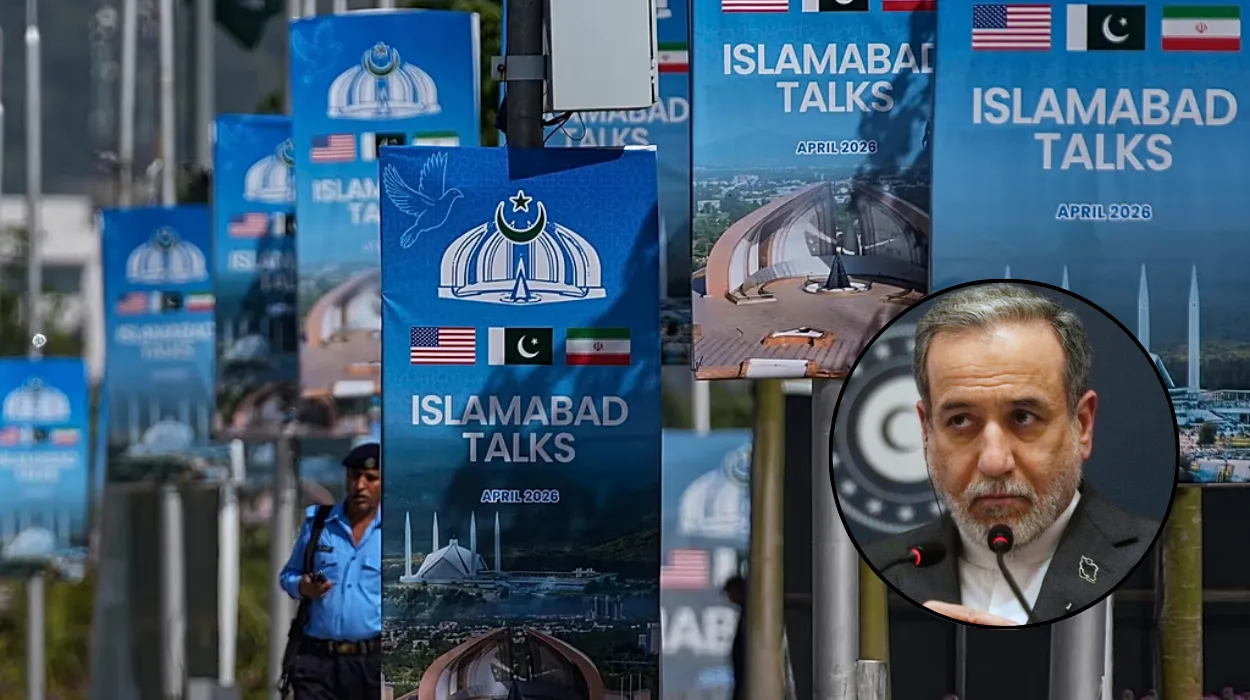
More than a month after a fragile ceasefire, Washington and Tehran stand poles apart. The U.S. insists Iran dismantle its nuclear programme entirely and relinquish its strait stranglehold. In contrast, Iran seeks compensation for conflict damages, an end to the American blockade, and cessation of hostilities across fronts, encompassing Lebanon where Israel combats Iran-backed Hezbollah.
Trump rejected Tehran’s stipulations outright. He labelled them “garbage,” prioritising security over concessions.
What Happened with the Chinese Supertanker?
A Chinese supertanker laden with 2 million barrels of Iraqi crude endeavoured to navigate the strait on Wednesday, per ship-tracking data cited in Reuters updates. Success would represent the third such Chinese tanker transit since U.S. and Israeli strikes commenced on Iran on 28 February.
This occurs against a U.S.-China accord from last month, where senior officials concurred no nation should impose tolls on regional passage – a stance China affirmed ahead of the summit.
Why Ignore Americans’ Economic Pain?
Trump candidly addressed mounting war costs, insisting U.S. citizens’ financial woes play no part in his calculus. Data from Tuesday revealed April consumer inflation surging to its sharpest annual rise in three years, propelled by hikes in food, rent, and airfares.
Queried on whether economic pressures spurred deal-making, Trump replied:
“Not even a little bit.”
He elaborated before his China flight:
“I don’t think about Americans’ financial situation… I think about one thing: We cannot let Iran have a nuclear weapon.”
Such rhetoric invites examination, with cost-of-living topping voter concerns before November midterms.
How Badly Is the War Hitting Oil Markets?
The International Energy Agency warned on Wednesday that global oil supply will plunge by around 3.9 million barrels per day throughout 2026, falling short of demand owing to Iran war disruptions. Over 1 billion barrels of Middle East output have vanished already, per IEA analysis.
Brent crude futures climbed marginally to about $108 per barrel, prolonging a three-day uptick fuelled by the Hormuz impasse. The strait remains critical, funneling vast energy volumes.
Is the War Unpopular with U.S. Voters?
Polls underscore domestic discontent. A Reuters/Ipsos survey found two in three Americans – encompassing one in three Republicans and nearly all Democrats – believe Trump has failed to articulate clear war objectives. Approval ratings have hit record lows, tied to escalating living costs less than six months from elections.
What Role Does Lebanon Play in Stalemate?
Iran conditions peace on Lebanon security assurances, yet Israeli operations against Hezbollah persist despite the U.S.-brokered ceasefire. On Wednesday, Israeli airstrikes on a highway south of Beirut claimed eight lives, including two children, Lebanon’s health ministry reported.
These strikes, documented in Reuters Middle East dispatches, complicate broader de-escalation, as Iran links regional fronts.
Trump’s Beijing journey amplifies pressures. The summit, overshadowed by Iran, tests U.S.-China dynamics amid shared stakes in energy stability. Tehran’s Hormuz gambits and export deals with neighbours like Iraq and Pakistan not only revenue-boost but project defiance post-ceasefire.
The U.S. position remains unyielding: nuclear denial and strait normalisation. Trump’s dismissal of economic fallout – against inflation data showing April’s steepest jump in years – risks political backlash. Brent’s $108 perch reflects market jitters, with IEA’s 3.9 million barrel/day deficit forecast portending prolonged pain.
Iranian rhetoric via ISNA hardens lines; the army’s “no retreat” vow eyes permanent waterway sway, potentially doubling oil proceeds. Chinese tanker probes test resolve, marking incremental normality bids since February strikes.
Voter surveys via Reuters/Ipsos reveal explanatory deficits eroding support, especially among Republicans. Lebanon’s fresh casualties underscore interconnected battles, thwarting Iran’s guarantees demand.
As Trump meets Xi, Hormuz’s fate – and war’s endgame – hangs in balance. Neither side yields, with global supplies strained and prices volatile.