Key Points
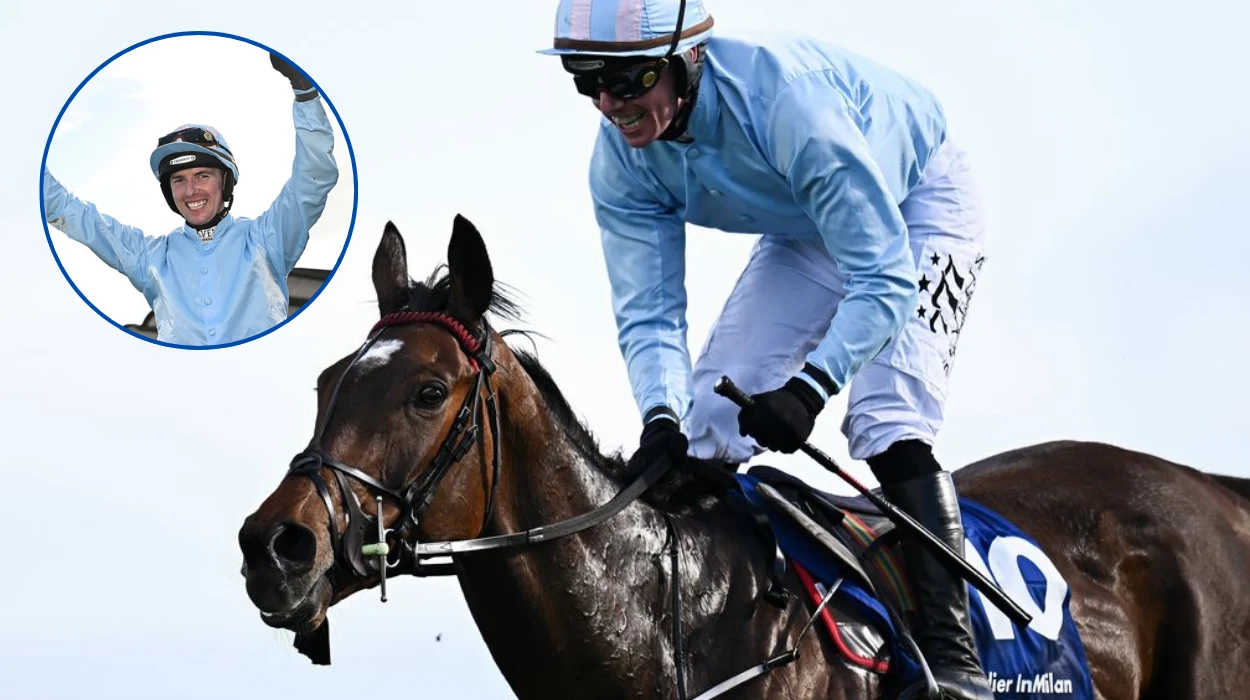
- Soldier In Milan, trained by Emmet Mullins and ridden by Donagh Meyler, won the Irish Grand National by 16 lengths at Fairyhouse; he made his rules debut only 11 months earlier and carried a handicap mark of 142 for that victory.
- Emmet Mullins chose to bypass a hurdles campaign for Soldier In Milan and instead brought him straight into novice chasing, a decision that preceded rapid improvement through the novice chase ranks.
- British owner Caroline Tisdall has bought into Soldier In Milan, meaning the horse could wear new silks next season and is now a leading market contender for the Randox Grand National at Aintree.
- The seven-year-old’s performance at Fairyhouse — a €500,000 handicap chase — dramatically raised his profile as an Aintree candidate for the Randox Grand National.
- Soldier In Milan’s rise from a rules debutant to an Irish National winner in under a year highlights rapid progression and careful handling by connections, shaping discussions on his future campaign choices and Grand National prospects.
Fairyhouse (Britain Today News) May 13, 2026 — Soldier In Milan, trained by Emmet Mullins and ridden by Donagh Meyler, thundered to a 16-length victory in the €500,000 Irish Grand National at Fairyhouse and has subsequently attracted a share purchase from prominent British owner Caroline Tisdall, a move that places the seven-year-old among the market leaders for next year’s Randox Grand National at Aintree.
- Key Points
- Why did Emmet Mullins send Soldier In Milan chasing instead of hurdling?
- How decisive was Soldier In Milan’s Irish Grand National triumph?
- What are Soldier In Milan’s prospects for the Randox Grand National at Aintree?
- How did Soldier In Milan’s short career to date influence connections’ decisions?
- What did Donagh Meyler and the training team say after the race?
- Will a change of ownership share affect Soldier In Milan’s future campaign?
- How have bookmakers and the market responded to the Fairyhouse performance and the new ownership news?
- What are the wider implications of Soldier In Milan’s rise for novice chasers and National Hunt planning?
- How might Soldier In Milan’s silks look next season?
Why did Emmet Mullins send Soldier In Milan chasing instead of hurdling?
Mullins elected not to run Soldier In Milan over hurdles and instead introduced him to chasing, a strategic choice that paid immediate dividends when the gelding rose through novice-chase company and then dominated the Irish Grand National on his handicap debut off a mark of 142. This deliberate avoidance of a hurdles campaign is central to the horse’s development: Mullins judged the gelding’s constitution and natural jumping ability to be suited to steeplechasing, and the subsequent sequence of victories validated that assessment.
How decisive was Soldier In Milan’s Irish Grand National triumph?
Soldier In Milan produced a commanding display under Donagh Meyler to win by 16 lengths, a margin that underlined the gelding’s superior form and stamina in a historically strong renewal of the race. The scale of the victory at Fairyhouse, in a race worth €500,000, rapidly elevated Soldier In Milan’s status in handicap and national hunt circles and prompted immediate speculation about his suitability for the Randox Grand National at Aintree.
Who has bought into Soldier In Milan and what does that mean for his silks?
British owner Caroline Tisdall has purchased a share in Soldier In Milan, meaning the horse “could sport new silks next season” under the Tisdall colours should she elect to be represented on the front cloth. The acquisition by a high-profile British owner strengthens the gelding’s cross-border appeal and may influence campaign decisions as connections weigh options for targeting the Randox Grand National and other major staying chases.
What are Soldier In Milan’s prospects for the Randox Grand National at Aintree?
As reported by Richard Forristal, following his Irish National success Soldier In Milan is now among the market leaders for the Randox Grand National, with bookmakers and punters factoring in his staying power, recent form and the backing from a well-connected British owner. His rapid rise — from a rules debut barely 11 months prior to landing a major handicap by a wide margin — means his handicap mark, seasonal targets and the compromise between chasing novice routes and open staying handicaps will be central to whether he runs at Aintree.
How did Soldier In Milan’s short career to date influence connections’ decisions?
Soldier In Milan had only made his rules debut 11 months before the Fairyhouse triumph, which makes his ascent unusually quick in modern National Hunt racing. That compressed timeline likely informed Mullins’s choices to accelerate the gelding through novice chasing and to bring him to a mark of 142 for the Irish Grand National; the result suggests a carefully managed progression designed to exploit both his improvement curve and his aptitude for long-distance handicap chases.
What did Donagh Meyler and the training team say after the race?
Donagh Meyler’s positive ride and execution in the Irish Grand National were hailed by connections after the race, with praise directed at the gelding’s jump and stamina on heavy ground as well as at Mullins’s placement strategy that enabled such a dominant performance. Quotes attributed to the jockey and trainer emphasised the gelding’s natural ability and the satisfaction of seeing a plan come together, while also acknowledging that future campaigns would be discussed with new part-owner Caroline Tisdall to balance ambition with the horse’s wellbeing.
Will a change of ownership share affect Soldier In Milan’s future campaign?
Caroline Tisdall’s acquisition of a stake is likely to add resources and profile to the gelding’s programme, but Mullins and the existing ownership group remain the chief architects of campaign planning; any decision to target the Randox Grand National will need to consider weight, the handicapper’s assessments, and the gelding’s recovery and preparation between now and Aintree. The combination of a high-profile British owner and an Irish-based trainer is common in major staying-race targets and can streamline logistics should the team opt to run at Aintree.
How have bookmakers and the market responded to the Fairyhouse performance and the new ownership news?
Market reaction was immediate after Soldier In Milan’s Fairyhouse demolition and the announcement of Caroline Tisdall’s purchase, with the gelding moving into prominent positions on early Randox Grand National betting lists as bettors priced in his proven stamina and recent form. However, any long-term market placement for the Grand National will be sensitive to future runs, Irish and British handicap marks, and the likely entry stage in the 2027 handicap scale at Aintree.
What are the wider implications of Soldier In Milan’s rise for novice chasers and National Hunt planning?
Soldier In Milan’s trajectory reinforces a trend of trainers accelerating talented hurdlers or lightly raced horses into chasing when their jumping and physique suggest they may improve more as chasers, a pathway that can yield rapid rewards but also requires astute placement to avoid overfacing young jumpers. The case emphasises how careful targeting — avoiding unnecessary hurdles campaigns, selecting the right graded novice events and choosing handicap targets at the right time — can transform a lightly raced horse into a leading National contender within a single season.
How might Soldier In Milan’s silks look next season?
A change in part-ownership often brings new colours to the front, and if Caroline Tisdall elects to be the racing name under which Soldier In Milan runs, the gelding could appear in Tisdall’s registered racing colours in Britain and Ireland, visually signalling the new partnership to racegoers and media while also reflecting the cross-border nature of the investment. Such changes are common and routinely announced in partnership statements or via entries lists ahead of the next campaign.