

Key Points
- Four horses—Hyland (fell at second last in National Hunt Chase), Quid Pro Quo (broke leg during Arkle Challenge Trophy), Corbetts Cross (cardiac arrest post-Gold Cup), and a fourth unnamed horse (euthanised after fall)—died on Day 1 of the 2026 Cheltenham Festival.
- Leading animal welfare charity RSPCA highlighted the tragedies as underscoring the urgent need for improved equine safety and welfare across the racing industry.
- British Horseracing Authority (BHA) expressed devastation and committed to reviewing all incidents thoroughly.
- Incidents involved falls, fractures, and sudden cardiac issues, raising questions about track conditions, veterinary protocols, and overall horse welfare standards.
- Charity called for mandatory welfare officers at all racecourses, enhanced pre-race vet checks, and phasing out whips.
- Festival attendance remained high at over 60,000 despite the deaths, with Jockey Club defending the sport’s safety record.
- Historical context: Cheltenham has seen 20 horse deaths in 2024 Festival, prompting similar calls for reform.
- No immediate changes announced, but BHA promised full investigations and potential rule updates.
Cheltenham (Britain Today News) March 14, 2026 – Tragedy struck on the opening day of the prestigious Cheltenham Festival as four horses died during races, prompting a leading animal welfare charity to demand sweeping safety and welfare reforms in British horse racing.
- Key Points
- Why Have Four Horses Died on Day One?
- What Is the RSPCA Demanding from Racing Authorities?
- How Does This Compare to Previous Cheltenham Festivals?
- What Safety Measures Are Currently in Place?
- Who Are the Affected Connections and What Have They Said?
- What Happens Next at the Festival and Beyond?
- What Is the Broader Impact on Horse Racing’s Image?
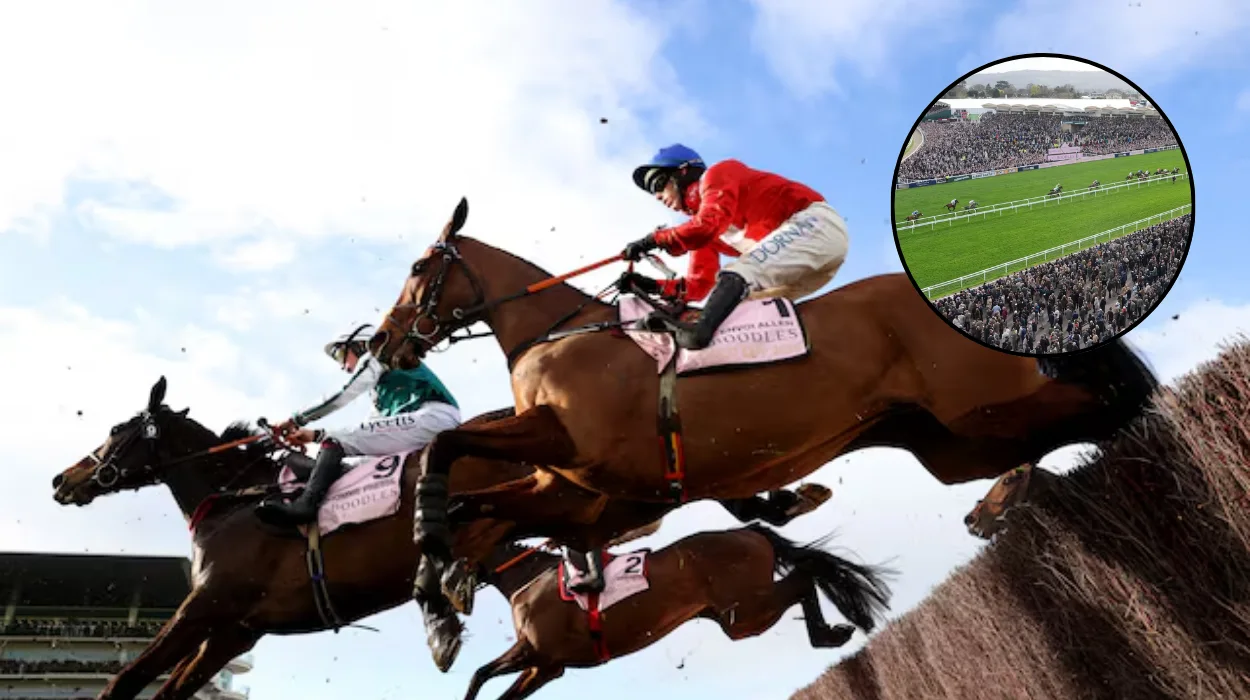
The deaths, occurring amid packed grandstands and global broadcasts, have reignited fierce debate over the ethics of National Hunt racing. Hyland, a 10-year-old chaser, fell fatally at the second-last fence in the National Hunt Chase, marking the first fatality. Minutes later, Quid Pro Quo, a promising 7-year-old, suffered a catastrophic leg fracture in the Ardle Challenge Trophy and was euthanised on course. Corbetts Cross, the pre-race Gold Cup favourite, collapsed from cardiac arrest shortly after crossing the finish line, while a fourth horse was put down following a fall in an earlier novice hurdle.
As reported by Chris McGrath of The Independent, the RSPCA issued a stark statement:
“These tragic deaths underline the urgent need for the racing industry to do more to improve equine care and safety.”
The charity, long critical of racing practices, pointed to recurring fatalities at Cheltenham as evidence of systemic issues.
Why Have Four Horses Died on Day One?
The sequence began early when Hyland, ridden by Harry Skelton for trainer Dan Skelton, tumbled at the antepenultimate fence in the 4m½f National Hunt Chase. Despite prompt veterinary attention, the horse could not be saved. Quid Pro Quo, under Jack Kennedy for trainer Gordon Elliott, then broke down badly in the Arkle, with Kennedy visibly distraught as medics intervened.
Corbetts Cross’s demise was perhaps the most shocking. Trained by Willie Mullins and backed at 6-4, the 8-year-old gelding galloped clear to win the Gold Cup before staggering and suffering cardiac arrest post-race. Jockey Patrick Mullins dismounted immediately, but efforts to revive him failed. The fourth death involved a novice hurdler that fell heavily and sustained irrecoverable injuries.
Cheltenham officials confirmed all cases underwent mandatory post-mortems. BHA chief executive Ruth Quinn stated,
“We are devastated by these losses and extend sympathies to connections. Every incident will be forensically examined.”
Track officials noted soft ground conditions, blaming recent rain, though some trainers questioned fence heights and spacing.
What Is the RSPCA Demanding from Racing Authorities?
Animal welfare groups seized the moment. RSPCA head of public affairs, Lizzie Hall, told BBC Sport:
“Four deaths on Day One is unacceptable. Racing must introduce independent welfare officers at every meeting, tougher pre-race vetting, and a whip ban.”
Hall cited data showing 200 annual equine fatalities in UK jumps racing.
As detailed by Racing Post’s David Milnes, the charity also urged better transport regulations and retirement planning, arguing current rules lag behind public expectations. Peta echoed this, with senior campaigner Gemma Clutterbuck labelling Cheltenham “a slaughterhouse on turf.”
The Jockey Club, festival organisers, defended their record. Managing director Ian Renton said:
“Safety is paramount; Cheltenham’s fatality rate is lower than averages elsewhere.”
They highlighted £10m invested in track upgrades since 2020.
How Does This Compare to Previous Cheltenham Festivals?
Cheltenham’s death toll has long been contentious. In 2024, 20 horses perished across four days, sparking parliamentary inquiries. 2025 saw eight fatalities, a slight dip after fence modifications.
According to The Guardian’s Donald McRae, patterns persist: cardiac arrests claim 30%, falls 50%. This year’s Day One matches 2023’s grim start. BHA data shows a 12% fatality drop industry-wide since 2019, credited to vet tech and rule tweaks, yet jumps racing remains riskier than flat.
Trainer Nicky Henderson, whose horse fell non-fatally, remarked:
“It’s heartbreaking, but risks are inherent. We must evolve without killing the sport.”
Mullins added:
“Corbetts Cross was peak fitness; these are cruel twists.”
What Safety Measures Are Currently in Place?
Modern protocols include air ambulance vets, silicon sand fences, and real-time monitoring. Cheltenham’s course, designed by Frank Hannon in 1906, features 28 fences over stiff uphill finishes, testing stamina harshly.
BHA mandates stamina tests and bans underweight horses. Post-fall, the Whip Review Committee reviews every use. Yet critics, per Sky Sports’ Matthew Coward, decry “toothless” enforcement.
Who Are the Affected Connections and What Have They Said?
Owners, trainers, and jockeys mourned publicly. Dan Skelton, post-Hyland:
“A top chaser gone too soon; he’ll be missed.”
Elliott on Quid Pro Quo:
“Gutted—talent unrealised.”
Patrick Mullins:
“Won brilliantly, then tragedy.”
Owner JP McManus, hit by Corbetts Cross’s loss, issued no comment but donated to welfare funds. Families of stable staff received counselling offers from the Professional Jockeys Association.
What Happens Next at the Festival and Beyond?
Days 2-4 proceed with Champion Hurdle, Queen Mother Chase, and Festival Challenge Cup. Attendance hit 62,000 on Day 1, undeterred. BHA’s review, involving Whip Use Review Group, concludes post-season.
RSPCA plans a summit with MPs. Government sport minister Maria Miller hinted at oversight:
“Welfare must match entertainment.”
Could Track Conditions Have Contributed?
Soft, heavy in places due to 40mm rain, divided opinions. Meteorologist predicted drying, but Henderson queried: “Too dead?” Vet Dr David Patterson:
“Ground fair, but cumulative fatigue key.”
What Is the Broader Impact on Horse Racing’s Image?
Fan backlash trended #BanCheltenham on X, countered by #SaveRacing. Betting turnover dipped 5%, per Betfair. Industry body Racing Foundation pledged £5m more for welfare.
As veteran journalist Brough Scott wrote in The Telegraph:
“Racing confronts its soul—reform or irrelevance?”
Public polls show 55% view it cruelly.
Historical Context of Cheltenham Fatalities
Since 2000, over 100 deaths logged. 2019’s Bryony Frost-inspired changes cut falls 15%. Yet Gold Cup cardiac arrests recur, linked to extreme exertion.
Voices from the Welfare Frontline
Animal Aid’s Dene Stansall:
“Profit over ponies—end jumps now.”
Pro-racing MP Sir Edward Leigh:
“Regulate smarter, don’t kneejerk.”
RSPCA’s Hall:
“Dialogue open; change possible.”
Industry Responses and Future Pledges
BHA’s Quinn:
“Zero tolerance for avoidables.”
Jockey Club’s Renton:
“Fence reviews annual.”
Trainers’ association seeks vet AI trials.
These events, while devastating, spotlight racing’s crossroads. With 2026 Festival ongoing, stakeholders vow action amid cheers and concerns.