Key Points
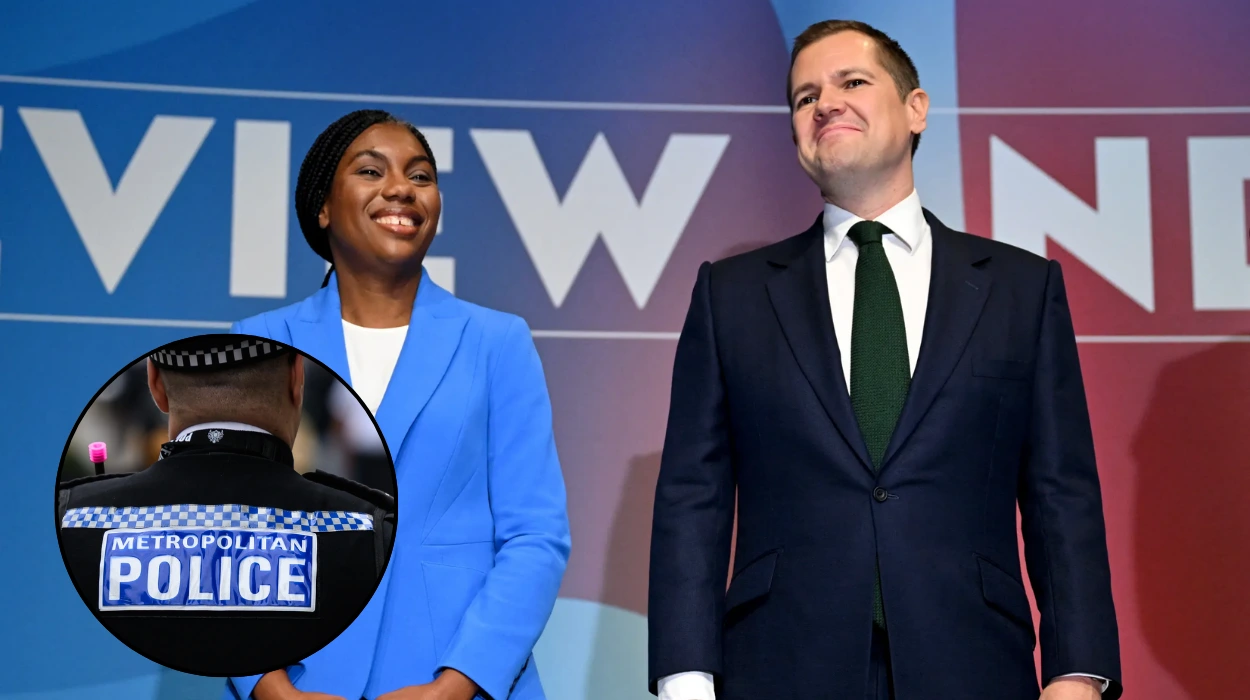
- The Metropolitan Police are reviewing claims that a £37,500 donation linked to Robert Jenrick’s 2024 Tory leadership campaign may have breached electoral rules.
- The allegation centres on whether money from The Spott Fitness was sourced from illegal foreign funds.
- The investigation is at the assessment stage, meaning police are considering the claims rather than announcing charges or a full criminal inquiry.
- The donation was made during the Conservative leadership contest in 2024.
- The issue raises questions about political financing, donor eligibility and compliance with UK electoral law.
- Robert Jenrick has not been reported here as having been accused of wrongdoing personally; the scrutiny concerns the source of the donation and whether rules were broken.
What is the Met Police assessing?
London (Britain Today News)— April 27, 2026: The Metropolitan Police are assessing claims that a £37,500 donation connected to Robert Jenrick’s Tory leadership campaign may have breached electoral rules. The report says officers are examining allegations that The Spott Fitness used illegal foreign money to fund the 2024 campaign.
The matter is being reviewed at an early stage, which means the police are weighing whether the information merits further action. The focus is on the source of the funds, not simply on the existence of the donation itself. In UK election law, the identity and eligibility of donors can be as important as the amount donated.
The allegation has political significance because it involves a senior Conservative figure and a leadership contest that drew close attention inside the party. A donation of £37,500 is large enough to attract scrutiny, particularly if there is any suggestion that the money may not have come from a permissible source. The Met’s assessment signals that the issue is being treated seriously, even if no formal conclusion has been reached.
Why does the source of funds matter?
The central question is whether the donation was made with money that complied with UK political donation rules. British electoral law places strict limits on who can donate to political campaigns, and those rules are designed to prevent foreign influence over domestic politics. If money is routed through a UK-registered body but originates from an improper source, that can still raise compliance concerns.
The claim relates to The Spott Fitness and alleged illegal foreign money. That wording matters because it suggests the concern is not merely administrative error but a possible breach involving the origin of the donation. In such cases, investigators typically look at bank records, company ownership, donor status and the chain of payments.
Political donation cases often become complicated because they involve both legal and factual questions. A donor may appear legitimate on paper while the true source of funds requires deeper examination. That is why police and regulators usually take time before deciding whether a breach has occurred.
What happened in 2024?
Robert Jenrick’s campaign in the Conservative leadership race took place in 2024, and the donation in question was made in that context. The £37,500 contribution within that contest, which is important because leadership campaigns are heavily regulated and closely watched. Large donations to such campaigns can become sensitive if questions emerge later about disclosure or donor eligibility.
The allegation now under review is not simply about political optics but about whether the campaign received funds that should not have been accepted. If a donation is found to have been unlawful, the consequences can range from regulatory findings to broader political damage. Even before any formal decision, the existence of a police assessment can shape public debate around the campaign and the wider party.
Robert Jenrick has long been a prominent Conservative figure, so any allegation touching his campaign naturally attracts attention. Still, the current reporting described by The Times centres on the donation and its source rather than any confirmed wrongdoing by Jenrick himself. That distinction matters in a story of this kind, where allegations can spread faster than verified findings.
What are the possible consequences?
If investigators conclude that rules were breached, the case could lead to further regulatory or criminal scrutiny depending on what evidence is found. In UK politics, unlawful donations can trigger reputational fallout even if a case does not end in prosecution. Campaigns may also face questions about due diligence, record-keeping and whether checks were carried out properly before accepting funds.
A key issue in donation cases is whether the recipient took reasonable steps to confirm the donor’s eligibility. If a campaign accepted money in good faith from a source later found to be improper, the legal and political consequences may differ from those in a case involving deliberate concealment. That is why the details of who knew what, and when, are often decisive.
The broader significance goes beyond one campaign. Questions about money in politics regularly feed into public concerns about transparency, influence and trust. When those concerns involve a party leadership race, they can also affect perceptions of internal party standards and oversight.
How is the story being reported?
The matter as a police assessment of claims, rather than a confirmed finding of wrongdoing. That is an important distinction because an assessment does not prove a breach has happened. It simply means the police are considering whether the allegation has enough substance to justify further action.
The allegation is that The Spott Fitness used illegal foreign money to fund part of Jenrick’s 2024 Tory leadership campaign. That accusation, if substantiated, would raise serious questions about compliance with electoral rules. However, at this stage the available reporting does not establish guilt, and responsible coverage must preserve that distinction.
The story also illustrates how political finance issues often remain sensitive long after a campaign ends. Donations can be reviewed months or even years later if new information comes to light or if concerns are raised by watchdogs, media investigations or complainants. In that sense, the passage of time does not necessarily close a political funding story.
Why does this matter politically?
The Conservative Party has faced repeated scrutiny over standards, ethics and political finance, so any donation controversy involving a senior figure is likely to draw wider attention. A police assessment can intensify pressure on political leaders to explain their vetting processes and fundraising practices. It can also prompt opponents to question whether existing safeguards are strong enough.
For Jenrick, the immediate reputational issue is less about the existence of a donation than about whether his campaign was exposed to improper money. For the party, the bigger issue is whether the case suggests broader weaknesses in how leadership campaigns are monitored. These questions often linger even when investigations do not lead to formal charges.
The next developments will likely depend on whether the Met Police decides there is enough evidence to continue beyond an initial review. Until then, the case remains an allegation under assessment rather than a concluded finding. That makes careful, neutral reporting essential, especially where the legal and political stakes are both high.