Key Points
- Women’s Sports Union and ADF International sent formal legal warnings to 10 UK sports bodies allowing biological males in female categories.
- Warnings cite the UK Supreme Court’s 2025 ruling in For Women Scotland Ltd v The Scottish Ministers, defining “woman” as biological sex under the Equality Act 2010.
- Sports bodies face immediate legal liability for contravening the Act, including risks of discrimination claims, injuries, and unsafe changing rooms.
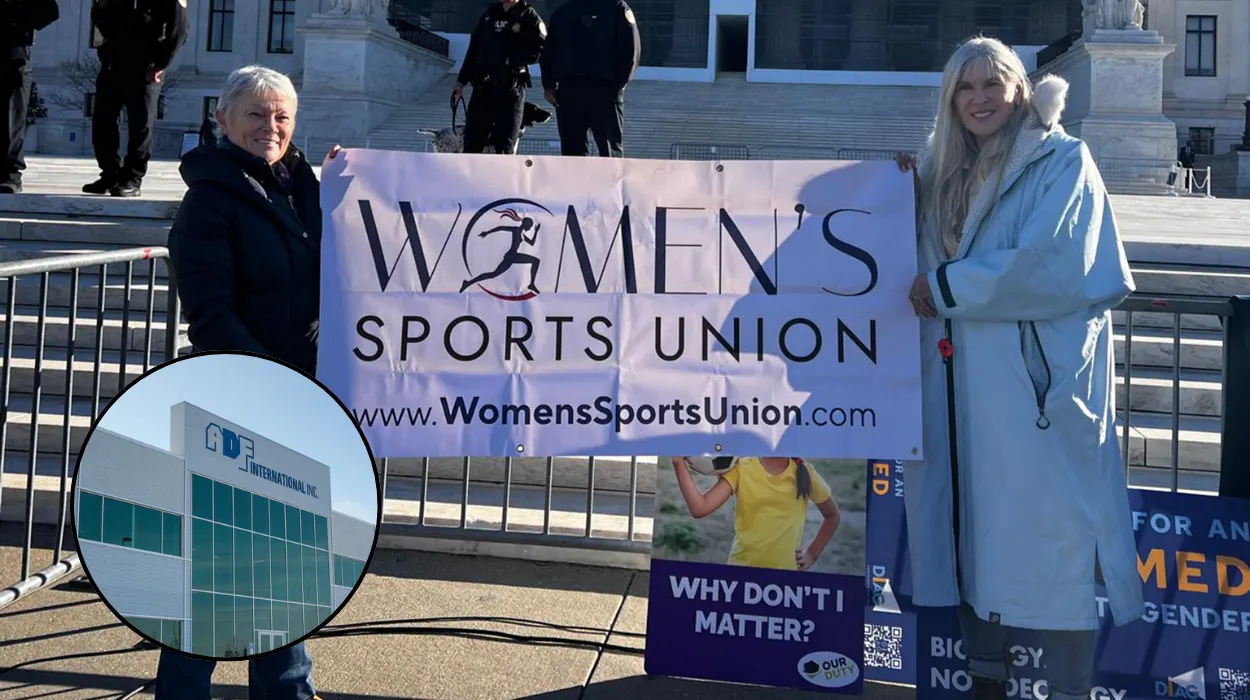
- Letter signed by Olympic medalist Sharron Davies (CEO, Women’s Sports Union) and Tracy Edwards (British sailor).
- Accused bodies: Football Association of Wales, Irish Football Association, British Powerlifting, Swim England, British Gymnastics, Royal Yachting Association, Parkrun, British Baseball Federation, BaseballSoftballUK, Rounders England.
- Highlights physical advantages of males, injury risks to females, and need for safe, fair competition per Section 195 of the Equality Act and EHRC guidance.
- Threat of litigation if issues unresolved.
- Sharron Davies calls it a “true scandal,” stressing protection at all levels from amateur to elite.
- ADF’s Robert Clarke deems it a “serious breach,” linking to global fights including US Supreme Court cases.
London (Britain Today News) April 23, 2026 – The Women’s Sports Union and ADF International have issued stark legal warnings to 10 UK sports governing bodies, demanding they halt biological males from competing in female categories following a pivotal Supreme Court ruling. The organisations accuse these bodies of breaching the Equality Act 2010, exposing themselves to substantial liability, discrimination claims, and safety risks for female athletes.
- Key Points
- What Triggered These Legal Warnings to UK Sports Bodies?
- Which Sports Bodies Received the Warnings?
- Why Do Physical Differences Matter in Women’s Sports?
- What Risks Do Sports Bodies Face If They Ignore the Warnings?
- How Has Sharron Davies Responded to the Issue?
- What Is ADF International’s Broader Role?
- How Does the Supreme Court Ruling Change Sports Policies?
- What Happens Next for Affected Sports?
The formal letters, dispatched this week, underscore that continuing to permit men who identify as women in female teams and events directly contravenes the law as clarified by the UK Supreme Court in its 2025 judgement in For Women Scotland Ltd The Scottish Ministers. That ruling definitively established that under the Equality Act, the term “woman” refers to biological sex, not gender identity.
Olympic gold medallist Sharron Davies, CEO of the Women’s Sports Union, and Tracy Edwards, the trailblazing British sailor who led the first all-female crew around the world, signed the letters. They warn of “immediate and substantial legal liability” for any body persisting with such policies.
What Triggered These Legal Warnings to UK Sports Bodies?
The warnings stem directly from the Supreme Court’s landmark 2025 decision, which rejected attempts to redefine sex under the Equality Act to include gender identity. As the letter states unequivocally:
“Any governing body that continues to permit biological males to compete in the female category contravenes the Equality Act 2010 as interpreted by the Supreme Court.”
This ruling has reshaped the legal landscape for sports, compelling organisations to align policies with biological reality to safeguard female categories. The letters emphasise Section 195 of the Equality Act, alongside draft guidance from the Equality and Human Rights Commission (EHRC), which mandates safe and fair competition.
Physical differences between biological males and females remain central. Males retain inherent advantages in strength, speed, and power post-puberty, even after hormone suppression, the correspondence notes. These disparities not only undermine fairness but heighten injury risks during contact sports or high-impact events.
Which Sports Bodies Received the Warnings?
The 10 organisations targeted span a wide array of disciplines, from team sports to individual pursuits:
- Football Association of Wales
- Irish Football Association
- British Powerlifting
- Swim England
- British Gymnastics
- Royal Yachting Association
- Parkrun
- British Baseball Federation
- BaseballSoftballUK
- Rounders England
Each has policies allowing men identifying as women into female teams or competitions, according to the Women’s Sports Union and ADF International. Parkrun, a popular mass-participation running event, and Swim England, governing amateur swimming, exemplify the grassroots levels affected.
The letters demand immediate policy reviews to exclude biological males from female categories across all tiers, from elite to recreational.
Why Do Physical Differences Matter in Women’s Sports?
Biological males possess advantages that persist lifelong, the letter argues, citing scientific consensus on muscle mass, bone density, and cardiovascular capacity. In powerlifting or gymnastics, these translate to displaced opportunities for women, while in football or rounders, they risk severe injuries.
Female athletes face
“opportunities and achievements… displaced or diminished,”
potentially leading to discrimination claims under the Equality Act. The organisations also flag dangers in shared changing rooms, where privacy and safety concerns amplify vulnerabilities.
What Risks Do Sports Bodies Face If They Ignore the Warnings?
Liability looms large. The letters detail exposure to lawsuits from female athletes sidelined or injured by male competitors. Injury claims could follow physical confrontations, with governing bodies held accountable for negligence.
Discrimination suits from women denied fair play represent another front. The conclusion is firm:
“If active steps are not taken to ensure that the issues raised in this correspondence are satisfactorily resolved, and women and girls engaging with your organisation remain exposed to these risks even in light of the clarified legal position, we reserve the right to take further steps, including litigation, to protect their interests.”
ADF International’s advocacy director, barrister Robert Clarke, described these policies as a “serious breach” of the Equality Act 2010. In a statement, he said:
“The fight against gender ideology’s harmful effect on women’s sport and safety is a global one, and this case is the latest front in that battle.”
How Has Sharron Davies Responded to the Issue?
Sharron Davies, the former Olympic swimmer who won gold at the 1980 Moscow Games, labelled the situation a “true scandal” in an ADF International press release.
“Some organizations have merely acted to protect sport at the elite level, while allowing men to compete against women at the amateur level,”
she stated.
“This is unacceptable—all women who play sport must be able to do so in a safe and fair environment. If they cannot, many women will simply opt out of sport. Women’s sport must be protected at all levels and the importance of this is underlined by the fact that professional female athletes are drawn from the amateur pool.”
Davies, a vocal advocate for sex-based categories, co-signed the letters to drive systemic change. Her stance resonates amid growing concerns that diluted fairness at grassroots levels erodes the talent pipeline for elite women’s sport.
Tracy Edwards, MBE, complements this voice. As skipper of the Maiden yacht—the first all-women’s crew to circumnavigate the globe in 1989-90—Edwards brings authority on female achievement in male-dominated arenas. Together, they represent a formidable alliance.
What Is ADF International’s Broader Role?
ADF International positions this as part of a worldwide campaign. Robert Clarke highlighted parallels in the US, where the organisation litigates two Supreme Court cases: West Virginia v. B.P.J. and Idaho’s Little v. Hecox. Last July, the US Supreme Court agreed to hear these, defending state laws barring male athletes identifying as women from female teams.
“We are serious about this work as an organisation,”
Clarke affirmed. In the UK context, ADF partners with the Women’s Sports Union to enforce the Supreme Court’s biological sex definition.
The group’s efforts align with EHRC guidance, urging sports bodies to prioritise female safety and equity. Failure risks not just legal costs but participation drops, as women shun unfair or unsafe environments.
How Does the Supreme Court Ruling Change Sports Policies?
The 2025 For Women Scotland Ltd v The Scottish Ministers judgement clarified that sex is immutable and biological under the Equality Act. This overturns prior interpretations allowing self-identified gender to override categories.
Sports bodies must now recalibrate. Elite levels have seen shifts—World Athletics and World Aquatics, for instance, tightened rules—but amateur sectors lag. The letters target this gap, insisting all-female spaces protect privacy, dignity, and competition integrity.
Injuries from male advantages pose ethical and financial perils. Gymnastics flips or powerlifting lifts amplify risks; football tackles or softball pitches compound them. Governing bodies could face negligence suits, with precedents mounting.
What Happens Next for Affected Sports?
Recipients have a window to respond, but inaction invites court. The Women’s Sports Union and ADF International signal readiness to litigate, potentially setting precedents for UK sport.
Broader implications loom. Parkrun’s inclusivity model, beloved for accessibility, now grapples with fairness. Swim England’s community pools and British Gymnastics’ youth programmes face scrutiny.
Female participation—already lagging males—could plummet if trust erodes. Davies warns many will “simply opt out,” starving elite pathways.
This saga underscores a pivotal moment: balancing inclusion with equity. As Clarke notes, it’s a “global” battle, with UK rulings influencing Europe and beyond.