Key Points
- Mouse droppings and gnawed packets of food discovered during inspection at Ark Atwood Primary Academy in Westminster.
- School received a 0 food hygiene rating from Westminster City Council, indicating urgent improvement necessary.
- Inspection occurred on December 1, 2025; kitchen voluntarily closed, deep cleaned, reassessed, and reopened.
- Food Standards Agency website still shows the 0 rating.
- Droppings found throughout kitchen, food storeroom, pot wash area, and in direct contact with food packaging, baskets of sauces/spices, and new cutlery boxes.
- Freshly baked bread placed directly on mouse droppings; bags of rice and pasta chewed by rodents.
- Rodents active on food and storage surfaces; food baskets visibly dirty.
- Staff admitted forgetting to clear droppings due to lunch preparation busyness; mouse sighted last week with no effective monitoring.
- November 26, 2025 pest control report noted prior mice issues.
- School instructed to eliminate pests, clean kitchen, discard contaminated food, and retrain staff on contamination prevention.
- Report highlighted failures in pest monitoring, escalation, and controls, eroding food safety confidence.
- Executive Principal Daniela Grasso confirmed swift response: kitchen closed for deep clean, reopened after reinspection, alternative meals provided.
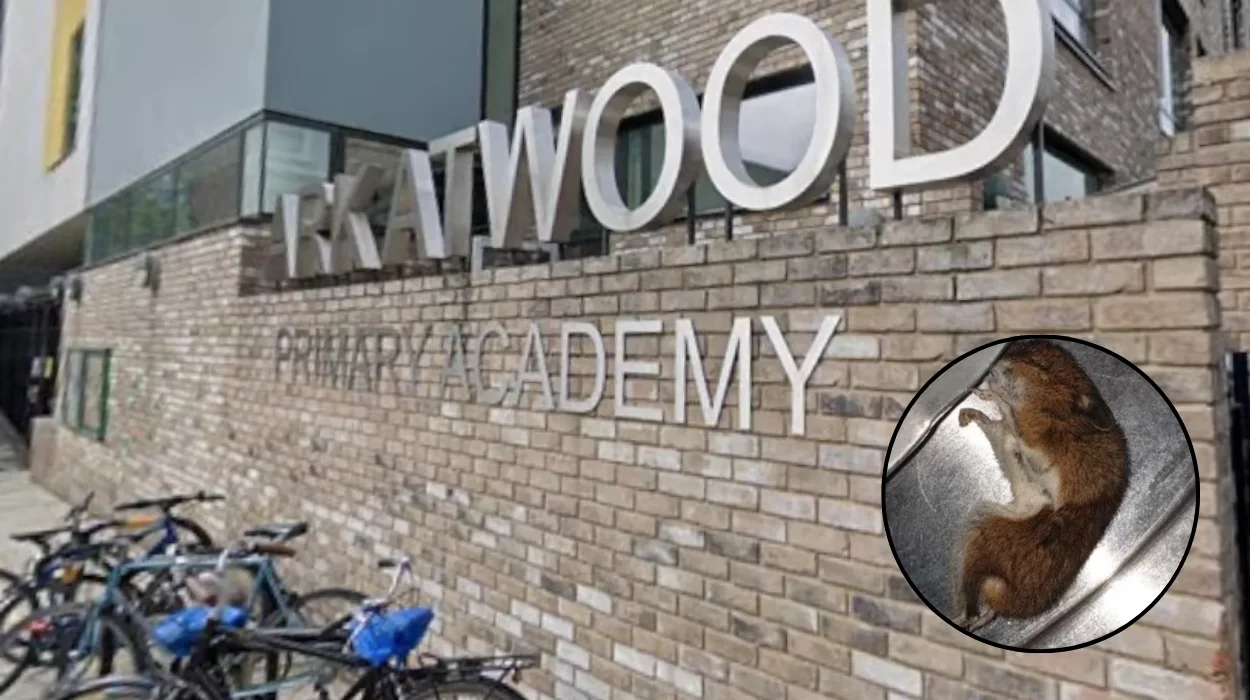
London (Britain Today News) May 13, 2026 – Mouse droppings scattered across surfaces and gnawed food packets shocked inspectors at Ark Atwood Primary Academy, prompting a dire 0 rating for food hygiene from Westminster City Council. The primary school in Amberley Road near Maida Hill voluntarily shuttered its kitchen after the December 1 inspection revealed rodents rampant in food preparation areas. Despite subsequent deep cleaning and reopening, the Food Standards Agency’s ratings page lingers on the failing score, raising ongoing concerns for pupil safety.
- Key Points
- What Led to the Shocking 0 Food Hygiene Rating at Ark Atwood Primary Academy 2026?
- Where Exactly Were Mouse Droppings Found in the School Kitchen 2026?
- Why Did School Staff Overlook the Mouse Droppings During Lunch Prep 2026?
- What Actions Did Westminster City Council Demand Post-Inspection 2026?
- How Did Ark Atwood Primary Academy Respond to the Rodent Crisis 2026?
- When Did the Problems First Surface and What Monitoring Failed 2026?
- What Risks Do Rodent Infestations Pose in School Kitchens 2026?
- Has the Kitchen Fully Recovered and What’s Next for Hygiene Ratings 2026?
- Why Do Schools Face Such Hygiene Challenges in Urban Areas Like Westminster 2026?
What Led to the Shocking 0 Food Hygiene Rating at Ark Atwood Primary Academy 2026?
Inspectors from Westminster City Council uncovered a grim scene during their unannounced visit. As detailed in the official report, mouse poo littered the kitchen, food storeroom, and pot wash area. Droppings sat directly on food packaging, in baskets holding sauces and spices, and even inside boxes of new disposable cutlery. A loaf of freshly baked bread rested in a basket atop mice droppings, while bags of rice and pasta bore clear gnaw marks from rodent teeth.
The report starkly noted that these findings proved “rodents are active” and infiltrating
“food and surfaces where food is stored.”
Food baskets used for storage appeared “visibly dirty,” compounding the hygiene crisis. Clean equipment stood perilously close to contaminated zones, signalling a breakdown in basic sanitation protocols.
This 0 rating – the lowest possible – demands “urgent improvement” to avert health risks. Westminster City Council mandates immediate action for such failures, placing the school under intense scrutiny.
Where Exactly Were Mouse Droppings Found in the School Kitchen 2026?
The infestation spanned multiple zones. Droppings peppered the main kitchen counters, the dedicated food storeroom, and the pot wash section. Critically, they contaminated direct-contact items: packaging for dry goods, spice and sauce baskets, and cutlery supplies meant for immediate use.
As per the inspection document, droppings nestled right against clean utensils and freshly arrived provisions. Rice and pasta bags showed chew damage, with holes evidencing recent rodent activity. The bread incident stood out: a basket of newly baked loaves sat undisturbed on droppings, risking widespread bacterial spread if served.
These placements underscored systemic lapses, with pests accessing core food handling paths unchecked.
Why Did School Staff Overlook the Mouse Droppings During Lunch Prep 2026?
Staff candidly admitted to the inspector they “forgot” to clear the mouse droppings, citing busyness in preparing lunch for pupils. This revelation came amid the chaos of a standard school day, where feeding hundreds takes precedence but hygiene cannot.
Compounding this, staff reported spotting a mouse in the kitchen just the previous week. Yet, “no effective monitoring” followed, allowing the problem to fester. The report lambasted this inaction:
“These incidents indicate that staff are not consistently monitoring for signs of pests, are not escalating issues immediately and are not implementing required controls to prevent contamination, all of which significantly reduce confidence in the management of food safety.”
A pest control report from November 26, 2025 – mere days before inspection – had already flagged mice problems in the kitchen. Despite this prior warning, no robust measures materialised, letting droppings accumulate.
What Actions Did Westminster City Council Demand Post-Inspection 2026?
The council issued clear directives. The school had to eradicate the pest infestation entirely and remove all droppings. A full kitchen deep clean followed, with every potentially contaminated food item discarded to eliminate risks.
Food handlers faced mandatory retraining on preventing contamination and upholding safety standards. These steps aimed to rebuild hygiene foundations, addressing the “urgent improvement” flagged by the 0 rating.
Non-compliance risked further closures or enforcement, as council protocols demand swift rectification in educational settings where children eat daily.
How Did Ark Atwood Primary Academy Respond to the Rodent Crisis 2026?
Ark Atwood Primary Academy acted decisively. Executive Principal Daniela Grasso stated:
“An environmental health spot check in December 2025 identified an issue within the school kitchen. The school responded swiftly and the kitchen was closed while a deep clean was carried out. The kitchen reopened as normal following a reinspection. Alternative meal arrangements were in place during the brief closure.”
The voluntary kitchen shutdown post-December 1 inspection allowed professionals to tackle the mess. Reassessment cleared it for use, though the Food Standards Agency site update lags, still listing the 0 rating. Pupils received alternative meals – likely packed lunches or external catering – ensuring no disruptions to education or nutrition.
Grasso’s comments emphasise proactive closure and rapid recovery, framing the incident as an isolated spot check anomaly now resolved.
When Did the Problems First Surface and What Monitoring Failed 2026?
Evidence points to ongoing issues. The November 26 pest control report explicitly noted mice in the kitchen, predating the council inspection by five days. Staff’s sighting of a live mouse the week prior further signals persistence.
Yet, monitoring proved ineffective. No traps, baits, or logs tracked activity post-sighting. The report criticised this void: staff failed to escalate, implement controls, or routinely check for signs like droppings or gnaw marks.
In a school kitchen serving young children, such oversights amplify dangers from pathogens like salmonella or hantavirus carried by rodents.
What Risks Do Rodent Infestations Pose in School Kitchens 2026?
Mice droppings harbour bacteria, viruses, and parasites transmissible via contaminated food or surfaces. Gnawed packets expose contents to filth, while dirty baskets spread contaminants during handling.
For primary pupils, vulnerable immune systems heighten illness risks – from gastroenteritis to severe allergies. The bread-on-droppings case epitomises direct peril, potentially serving tainted meals unnoticed.
UK hygiene laws prioritise schools, with 0 ratings triggering alerts to parents and governors. Long-term, repeated failures could erode trust and invite lawsuits.
Has the Kitchen Fully Recovered and What’s Next for Hygiene Ratings 2026?
Post-reinspection, the kitchen resumed operations. However, the Food Standards Agency’s public display persists with the 0, possibly awaiting formal update. Schools must maintain records proving sustained compliance.
Westminster City Council may schedule follow-ups, demanding proof of pest-free status via logs and tests. Retrained staff now prioritise daily checks, escalation protocols, and cleanliness.
Ark Atwood’s swift closure and clean-up sets a model, but the lingering rating underscores digital update delays in oversight systems.
Why Do Schools Face Such Hygiene Challenges in Urban Areas Like Westminster 2026?
London’s dense Maida Hill locale near Amberley Road fosters rodents via nearby bins, construction, or ageing infrastructure. Busy school routines strain oversight, as staff juggle cooking amid bells and breaks.
Nationwide, similar cases hit headlines – from Manchester canteens to Birmingham halls – highlighting underfunded maintenance. Councils like Westminster stress prevention training, yet resource gaps persist.
Parents urge transparency, with calls for regular audits to safeguard the 500-plus pupils at Ark Atwood.
This incident at Ark Atwood Primary Academy serves as a wake-up call for UK schools. Rodent incursions threaten not just meals but child welfare, demanding vigilance from staff to councils. With the kitchen reopened, focus shifts to prevention – ensuring no repeat of December 1’s horrors. Westminster’s oversight continues, balancing enforcement with support for Amberley Road’s community hub.