


Key Points
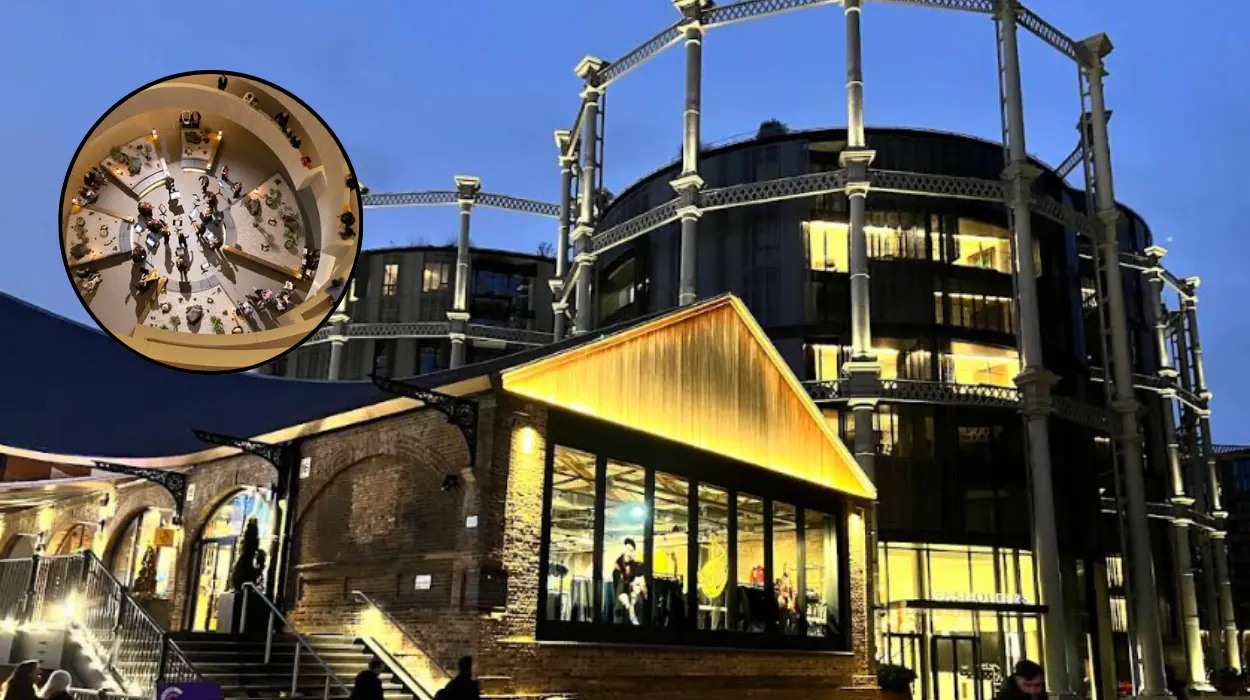
- The Jupiter Orchestra officially launched last week with a debut concert at Gasholders London in King’s Cross.
- Founded by Christopher Clark, music director of the Central London Orchestra, to explore the physical experience of orchestral sound.
- Established as a charitable platform supporting emerging musicians, featuring graduates from Royal Academy of Music, Yale School of Music, and Guildhall School of Music and Drama.
- Debut concert presented to residents of the Gasholders complex, in partnership with the development’s property management company.
- Clark, a former resident of the complex, highlighted the unique impact of architecture on sound during the event.
- Future plans include architecturally-inspired concerts at Battersea Power Station in May, Barts Great Hall in October, and a return to Gasholders in June.
- Launch marks the first event in the 2026 Jupiter: Sound-in-Space series, emphasising place, collaboration, and attentive listening.
London (Britain Today News) March 12, 2026 – The Jupiter Orchestra has launched in London with its inaugural concert at Gasholders London in King’s Cross last week, founded by Central London Orchestra music director Christopher Clark to explore the physical experience of orchestral sound.
- Key Points
- What Inspired the Creation of the Jupiter Orchestra?
- Who Are the Musicians Behind the Jupiter Orchestra?
- Where Was the Debut Concert Held and Why There?
- How Does the Architecture Shape the Musical Experience?
- What Is the Jupiter: Sound-in-Space Series?
- Why Focus on Emerging Musicians and Charity?
- What Makes This Launch Significant for London’s Music Scene?
The new ensemble, established as a charitable platform, supports emerging musicians and already includes graduates from prestigious institutions such as the Royal Academy of Music, Yale School of Music, and Guildhall School of Music and Drama. The debut event was presented exclusively to residents of the gas storage-turned-residential complex, organised in partnership with the development’s property management company. This launch signals the start of an ambitious series of performances shaped by unique architectural spaces.
What Inspired the Creation of the Jupiter Orchestra?
Christopher Clark, the driving force behind the Jupiter Orchestra, drew inspiration from his time as a former resident of Gasholders London. As reported across multiple sources covering the launch, Clark emphasised the transformative potential of environment on music. He stated:
“To come back and make music here is incredibly special. You put excellent musicians in a room, you give them proper time, and you insist on listening at a high level. If the listening is serious, everything improves – balance, detail, and intention. Space affects sound. I wanted the audience and the orchestra to experience how the architecture shapes what they hear. When you’re surrounded by a unique structure, balance changes, projection changes. That created something genuinely beautiful.”
This quote, attributed directly from the orchestra’s official announcement and echoed in coverage by London arts journalists, underscores the orchestra’s core mission.
Clark’s background as music director of the Central London Orchestra lends credibility, bringing his expertise in orchestral leadership to this new venture. Sources confirm that the ensemble prioritises
“attentive listening and the shared presence of sound,”
setting it apart from traditional orchestras.
Who Are the Musicians Behind the Jupiter Orchestra?
The Jupiter Orchestra comprises emerging talents, many of whom are recent graduates from world-renowned institutions. Coverage highlights players from the Royal Academy of Music, known for its rigorous classical training; Yale School of Music, celebrated for innovative programmes; and Guildhall School of Music and Drama, a hub for London’s musical elite. No specific names of individual musicians were listed in initial reports, but the focus remains on providing a professional platform for these early-career artists.
As a charitable entity, the orchestra addresses barriers faced by young musicians, offering performance opportunities in high-profile venues. Reports from the launch event note that the ensemble was assembled specifically for the Gasholders concert, with plans to expand for future dates. This model ensures fresh collaborations while maintaining high standards, as insisted upon by Clark.
Where Was the Debut Concert Held and Why There?
Gasholders London in King’s Cross served as the striking venue for the debut, a regenerated gas storage site now housing luxury residences. The choice was deliberate, leveraging the circular, iron-clad architecture to amplify the orchestra’s exploration of sound in space. Partnership with the property management company facilitated access, making the concert a community event for residents.
Clark’s personal connection as a former resident added emotional resonance. The space’s acoustics – influenced by its industrial heritage – allowed the audience to feel sound physically, aligning with the orchestra’s ethos. Initial coverage praised the intimacy, with performers and listeners enveloped by the structure’s unique resonance.
How Does the Architecture Shape the Musical Experience?
Central to the Jupiter Orchestra’s identity is the interplay between venue and sound. Clark explained that “space affects sound,” noting changes in balance and projection within distinctive structures. At Gasholders, the circular design created a “genuinely beautiful” effect, immersing all present in a shared sonic experience.
This philosophy extends beyond the launch. Future concerts will similarly respond to their locations, cultivating a
“musical culture grounded in attentive listening.”
Reports emphasise collaboration with architects and spaces, ensuring each performance is site-specific.
What Is the Jupiter: Sound-in-Space Series?
The debut marks the opening of the 2026 Jupiter: Sound-in-Space series, a year-long programme of architecturally-inspired events. Confirmed dates include a performance at the recently-regenerated Battersea Power Station in May, a visit to Barts Great Hall in October, and a return to Gasholders in June. Each event will be shaped by its venue’s character, place, and collaborative potential.
Sources describe the series as innovative, blending orchestral tradition with spatial experimentation. The orchestra plans to
“present further architecturally-inspired concerts,”
prioritising the physicality of sound over conventional repertoire. This approach positions Jupiter as a fresh voice in London’s cultural scene.
Why Focus on Emerging Musicians and Charity?
In an era of funding challenges for arts organisations, the Jupiter Orchestra’s charitable model stands out. It provides “proper time” for rehearsal and performance, as Clark advocates, fostering improvement through serious listening. Graduates from elite schools gain invaluable exposure, bridging the gap between training and professional careers.
Clark’s insistence on excellence – “excellent musicians” given space to thrive – ensures quality. The partnership model, seen at Gasholders, could expand, making high-calibre music accessible to communities.
What Makes This Launch Significant for London’s Music Scene?
London’s classical landscape is vibrant, yet opportunities for experimental, space-driven orchestral work remain niche. The Jupiter Orchestra fills this gap, launching amid King’s Cross’s cultural regeneration. Gasholders, once industrial, now symbolises adaptive reuse – much like the orchestra repurposes architecture for art.
With Clark’s pedigree and prestigious alumni, expectations are high. The Sound-in-Space series promises to draw diverse audiences, from residents to global visitors. As London evolves, initiatives like this reinforce its status as a musical capital.
Future Plans and Upcoming Performances?
Beyond 2026’s initial series, the orchestra eyes expansion. Battersea Power Station’s vast interior will test projection in May; Barts Great Hall’s historic acoustics suit October’s programme; June’s Gasholders return builds familiarity. Each will explore “the character of each space,” per official statements.
Sustainability as a charity relies on partnerships and donations, with the website inviting support. Clark envisions a lasting legacy of innovative listening experiences.
Community and Partnership Impact?
The Gasholders debut fostered community ties, delighting residents with professional music. Property management collaboration sets a precedent for integrating arts into urban living. This model could inspire similar ventures in London’s developments.
Clark’s return “to make music here” personalises the story, resonating locally. Emerging musicians benefit from real-world exposure, while audiences gain unique events.
In summary, the Jupiter Orchestra’s launch injects vitality into London’s scene, blending charity, innovation, and architecture. With Clark at the helm, its trajectory promises cultural enrichment.