Key Points
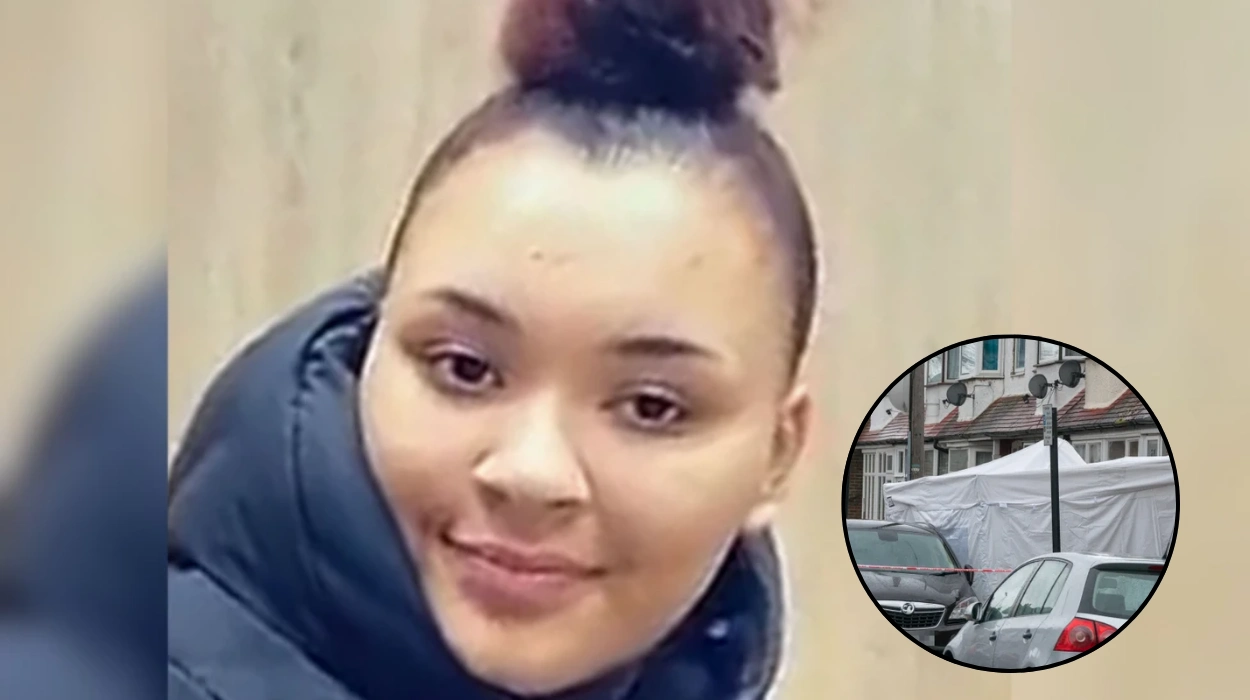
- Tanesha Melbourne-Blake, 17, was shot dead in Tottenham, north London, on 2 April 2018 while she was out with friends on Easter Monday.
- Prosecutor Jocelyn Ledward KC told the Old Bailey that Tanesha had no involvement in criminality.
- The court heard the teenager had spent part of the bank holiday dancing, socialising and playing a game with friends before the shooting.
- Marcus La Croix, 38, from Hackney, is on trial at the Old Bailey charged with murdering Tanesha and possessing a firearm with intent to endanger life.
- He has pleaded not guilty to both charges.
- The court heard a car pulled up on Chalgrove Road, a window came down and a hand holding a weapon emerged before three shots were fired.
- Tanesha’s boyfriend heard “pap, pap, pap” sounds likened to fireworks and saw “three bright sparks” from the weapon, the jury was told.
- She was taken to hospital but was pronounced dead at 22:43 after suffering severe bleeding from abdominal injuries caused by the bullet.
- The prosecution said the gun used was a self-loading pistol.
London (Britain Today News) April 7, 2026 – Tanesha Melbourne-Blake had no links to criminality when she was fatally shot in Tottenham, a court has heard, as prosecutors set out the opening details of the Old Bailey murder trial against Marcus La Croix.
What happened on Chalgrove Road?
The court heard that Tanesha had been spending the Easter Monday bank holiday with friends before the shooting on Chalgrove Road in Tottenham. Prosecutor Jocelyn Ledward KC told jurors the group had been playing “penny up” against a garden wall, dancing and socialising, and that nothing unusual had been seen that evening.
As reported by Jocelyn Ledward KC at the Old Bailey, the prosecution said there was no reason for anyone present to believe Tanesha or her friends were in danger. The case presented to jurors said that at some point after 21:00 BST, Tanesha and her boyfriend were walking up the road when a vehicle stopped just a few feet away.
A window in the car came down and her partner saw
“a hand holding something emerge”,
the jury heard. He then saw “three bright sparks” and heard “pap, pap, pap”, which he likened to fireworks. The car was said to have stopped only for a few seconds before driving off.
What did the court hear about Tanesha?
The prosecution told the jury that after the gunfire, a friend ran down the road to try to find an adult who could call police. Tanesha’s boyfriend called both an ambulance and her family using her phone, while neighbours and passers-by rushed to help.
When ambulance staff arrived, Tanesha was described as “barely breathing”. Medical professionals found that she had suffered severe and uncontrollable bleeding from abdominal injuries caused by the bullet, the court was told. Prosecutor Jocelyn Ledward KC said it soon became clear that she was beyond further help and she was pronounced dead at 22:43.
The opening of the trial painted a picture of an ordinary evening that ended in sudden violence. The prosecution’s position is that Tanesha was an innocent bystander caught in a shooting carried out from a vehicle, with no criminal involvement on her part.
Who is Marcus La Croix?
Marcus La Croix, 38, of Hackney, is accused of murdering Tanesha Melbourne-Blake and of possessing a firearm with intent to endanger life. He denies both allegations.
The court heard that the weapon used was a self-loading pistol. The prosecution said the shot was fired from a vehicle that briefly stopped on Chalgrove Road before moving away. The current trial is taking place at the Old Bailey in London.
The evidence presented so far suggests the shooting was part of a wider violent incident, but the prosecution’s opening was focused on what happened to Tanesha and the immediate circumstances of her death. In legal terms, La Croix remains presumed innocent unless and until a jury reaches a guilty verdict.
What does the prosecution allege?
The prosecution told jurors that Tanesha’s death came during a shooting in which the attackers used a self-loading pistol. The evidence described in court indicates that the shooting happened quickly, from a car, and without warning to the group on the street.
Ledward’s opening account stressed that Tanesha had been socialising with friends and had no known involvement in crime. That point is significant because it frames the case as the killing of a teenager who was not part of the alleged dispute behind the violence. The court has yet to hear the full evidence before any verdict can be reached.
Why is this case significant?
The case has drawn attention because it concerns the killing of a 17-year-old girl who, according to prosecutors, had no criminal links and was simply spending time with friends. Such cases often raise wider concerns about random or collateral violence affecting bystanders in urban areas.
The court heard that Tanesha was out on Easter Monday and that the atmosphere before the shooting was ordinary, with dancing, a street game and socialising among friends. That contrast between an everyday gathering and the sudden gun attack is central to the prosecution narrative.
The trial also matters because it revisits a killing that happened in 2018 but is still moving through the courts eight years later. The legal process is continuing, and the jury will decide the case on the evidence heard in court.
How should the story be framed?
For a news report, the strongest angle is the human and legal significance of the opening of the trial. The most important facts are Tanesha’s age, the lack of criminal links, the location in Tottenham, the date of the shooting, and the allegations against Marcus La Croix.
This is also a case where precise attribution is important because the evidence has been presented in court by the prosecution rather than proven facts after verdict. Neutral language should therefore make clear what the jury was told, what the defendant denies, and what has been alleged.