Key Points
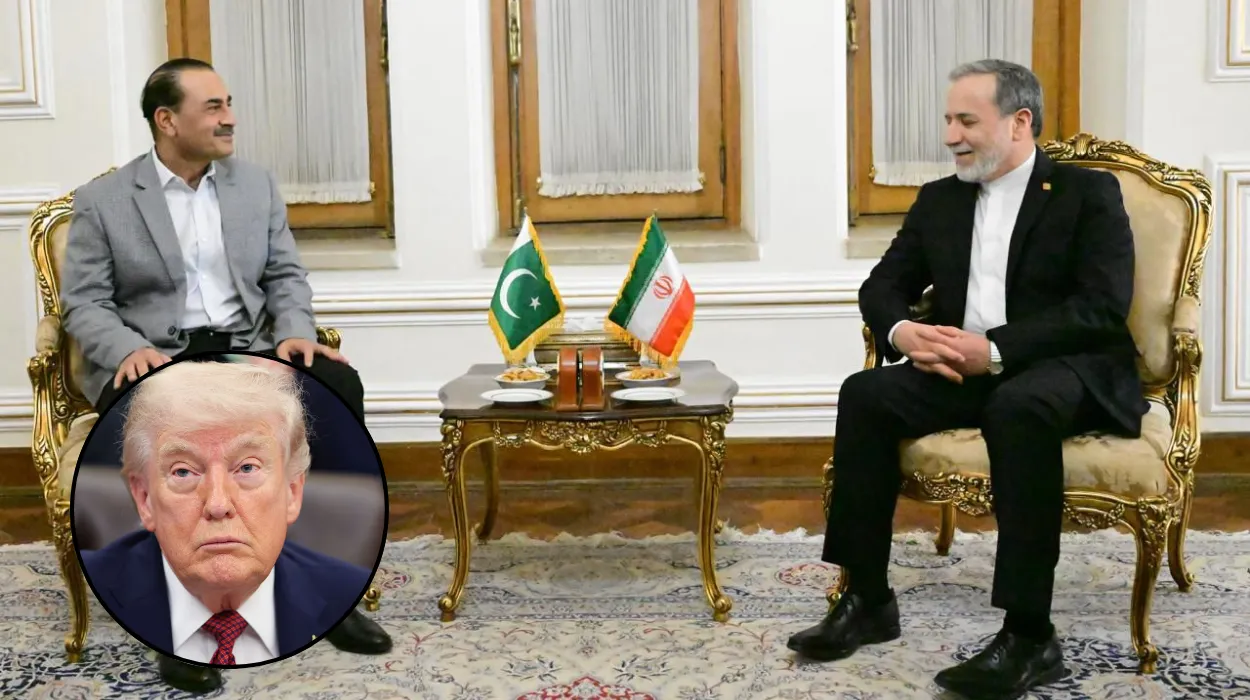
- Field Marshal Syed Asim Munir conducted a short but “highly productive” official visit to Tehran that advanced mediation efforts between Iran and the United States.
- Pakistani diplomacy, led by Prime Minister Shehbaz Sharif and Field Marshal Munir, helped secure and extend a ceasefire agreed on April 8, 2026, creating space for a wider settlement.
- Munir held high-level meetings with Iranian President Dr Masoud Pezeshkian, Speaker Mohammad Bagher Ghalibaf, Foreign Minister Abbas Araghchi, and Interior Minister Eskandar Momeni.
- Pakistan’s Inter-Services Public Relations (ISPR) said negotiations produced “encouraging progress” toward a final understanding and quoted Iranian leadership as appreciating Pakistan’s role.
- US Secretary of State Marco Rubio indicated a deal with Iran could be imminent, saying there is a chance Iran may accept an agreement “as soon as Saturday.”
- US President Donald Trump has previously praised Field Marshal Munir’s role in de-escalations and credited him with helping prevent wider conflict.
- International figures including UN Secretary-General António Guterres, European leaders, and Gulf leadership publicly commended Pakistan’s mediation.
- Islamabad’s diplomatic initiative is being presented as a decisive intervention that helped avert a larger regional conflagration.
Pakistan (Britain Today News) May 23, 2026 — Field Marshal Syed Asim Munir’s short but “highly productive” visit to Tehran has moved mediation efforts between Iran and the United States closer to a possible agreement, Pakistani military sources and officials said, after a series of high-level talks aimed at converting the fragile ceasefire of 8 April 2026 into a lasting settlement.
- Key Points
- What happened during Field Marshal Asim Munir’s visit to Iran and who did he meet?
- Could Pakistan’s diplomacy produce a final deal between Iran and the United States?
- How has Pakistan previously influenced the ceasefire and de-escalation process?
- What did international leaders say about Pakistan’s role?
- Why do Pakistani officials describe this as a historic mediation?
- What were the immediate results of Munir’s talks in Tehran?
- What do US statements reveal about the status of talks?
- How is this being received domestically within Pakistan?
- Does this shift regional power dynamics or Pakistan’s international standing?
- What are the next steps and possible timelines?
- What does this mean for prospects of de-escalation in the Middle East?
What happened during Field Marshal Asim Munir’s visit to Iran and who did he meet?
As reported by the Inter-Services Public Relations (ISPR), Field Marshal Munir met with Iranian President Dr Masoud Pezeshkian, Speaker of Parliament Mohammad Bagher Ghalibaf, Foreign Minister Abbas Araghchi, and Interior Minister Eskandar Momeni. The ISPR statement said:
“The intensive negotiations over resulted in encouraging progress towards a final understanding. The Iranian leadership appreciated Pakistan’s sincere and constructive role in facilitating dialogue and promoting peaceful settlement of regional issues.”
Those meetings centred on accelerating ongoing mediation efforts, according to the ISPR, and were described by Pakistani officials as focused squarely on de-escalation and forging a conclusive agreement to end hostilities that followed the April ceasefire.
Could Pakistan’s diplomacy produce a final deal between Iran and the United States?
US Secretary of State Marco Rubio said there was a real chance Iran could accept an agreement “as soon as Saturday,” and added:
“There is a chance that, whether it’s later today, tomorrow, in a couple days, we may have something to say.”
Rubio also expressed hope for “good news,” language that official sources interpreted as an indicator of visible diplomatic progress.
Pakistani officials and military spokespeople framed Munir’s visit as catalytic. As the ISPR put it, the talks produced “encouraging progress towards a final understanding,” signalling Islamabad’s view that its mediation had created the political breathing room necessary for a conclusive settlement.
How has Pakistan previously influenced the ceasefire and de-escalation process?
According to Pakistani sources, Islamabad played a pivotal role in securing the initial ceasefire on April 8, 2026, and later pressed for its extension—moves described domestically as essential to buying time for diplomatic work. Officials say those intervals allowed back-channel contacts and formal negotiations to proceed, preventing a rapid slide back to open confrontation.
Prime Minister Shehbaz Sharif and Field Marshal Munir were credited by Pakistani commentators for working “day and night” to establish channels of communication among regional and global capitals, enabling trilateral and multilateral consultations that otherwise might have been impossible in the heat of crisis.
What did international leaders say about Pakistan’s role?
UN Secretary-General António Guterres, European leaders and Gulf leadership publicly commended Pakistan for opening a diplomatic channel and helping to create a “necessary diplomatic shield,” according to statements made by Pakistani officials. Islamabad’s approach was portrayed in those capitals as constructive engagement that prioritised dialogue over escalation.
US President Donald Trump has, in previous instances, praised Field Marshal Munir, describing him as a “highly respected general” and “an exceptional human being.” Trump’s public remarks, cited by Pakistani sources, reiterated a personal appreciation for Munir’s past interventions and credited him with contributing to the avoidance of wider regional conflict.
Why do Pakistani officials describe this as a historic mediation?
Pakistani officials argue their country’s intervention demonstrates strategic maturity and international credibility. The ISPR and government statements emphasise that, at a moment when major powers were on the brink of confrontation, Pakistan worked to expand diplomatic avenues and defuse immediate threats.
As the ISPR put it:
“The Iranian leadership appreciated Pakistan’s sincere and constructive role in facilitating dialogue and promoting peaceful settlement of regional issues.”
For Islamabad, that appreciation is being presented as validation of a long-term policy of pragmatic engagement and restrained influence.
What were the immediate results of Munir’s talks in Tehran?
Officials say the immediate result was tangible movement in negotiations aimed at drafting a conclusive text acceptable to both Tehran and Washington. Pakistani sources described the outcome as a narrowing of differences and the creation of a timeline for potential agreement. The ISPR’s characterisation of the talks as “encouraging progress” suggests Islamabad believes a diplomatic breakthrough is within reach.
What do US statements reveal about the status of talks?
Marco Rubio’s public comments that Iran might accept a deal imminently were taken as strong signals from Washington that the negotiations were at an advanced stage. Rubio said there was a chance for an announcement “as soon as Saturday,” underscoring urgency and proximity to a potential agreement. Such statements, combined with Pakistani accounts of intensive talks in Tehran, offered a rare convergence of message and momentum across several capitals.
How is this being received domestically within Pakistan?
Within Pakistan, government and military communicators have framed the development as a vindication of the country’s diplomatic resolve. Officials argue that, far from being a sidelined actor, Pakistan has asserted itself as a constructive stakeholder capable of making a difference in high-stakes regional diplomacy.
The ISPR and senior government figures have highlighted their leadership’s constant engagement during the crisis, portraying Pakistani mediation as having delivered vital breathing space—weeks that, officials say, prevented a more dangerous escalation and allowed negotiation to proceed.
Explore More about World:
Gaza: 22 hospitals attacked since the beginning of 2026
Paris France wants to join British-German long-range missile project 2026
Does this shift regional power dynamics or Pakistan’s international standing?
Analysts close to Islamabad suggest the successful mediation, if it culminates in a formal agreement, would boost Pakistan’s reputation as a credible interlocutor in Middle Eastern affairs. Officials point out that being accepted as a facilitator by Iran and acknowledged by global actors would recalibrate perceptions of Pakistan’s diplomatic reach.
However, observers caution that mediation alone does not guarantee long-term influence; any accord’s durability will depend on implementation, verification mechanisms and continued engagement from the principal parties.
What are the next steps and possible timelines?
Pakistani sources say follow-up contacts and technical meetings are expected to refine details. Washington’s public timeline, as suggested by Secretary of State Rubio, left open the possibility of an announcement within days. Islamabad has indicated it will remain actively engaged until a durable agreement is concluded and mechanisms to monitor compliance are established.
What does this mean for prospects of de-escalation in the Middle East?
If the reported progress crystallises into a formal agreement, it could mark a significant de-escalation milestone, stabilising key flashpoints and reducing the risk of military confrontation. Pakistani officials and international actors who have praised the mediation argue that diplomacy, not force, offers the most sustainable path away from widespread instability.