Key points
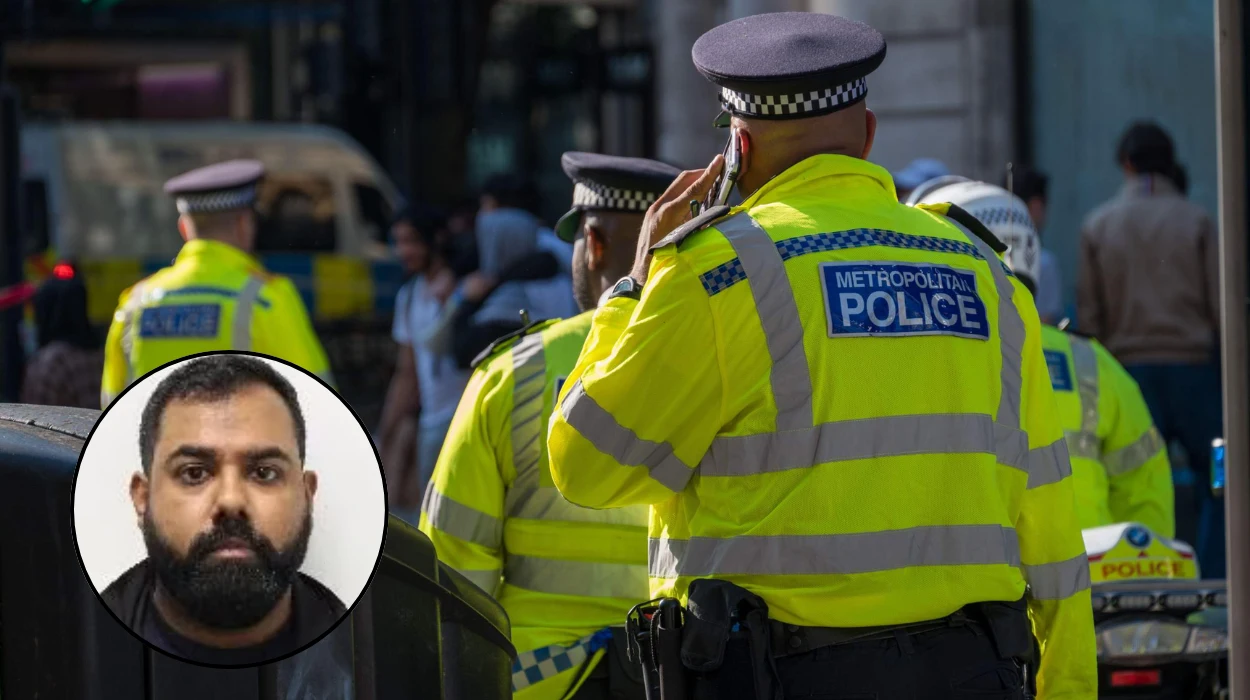
- A 31‑year‑old London man, David Chellapah, has been jailed for 10 years after pleading guilty to 21 sexual offences involving children aged between 12 and 15.
- Chellapah used social media platforms to groom minors, sending sexual messages and attempting to arrange meetings for sexual abuse.
- Metropolitan Police say some victims were pressured and coerced into producing sexual images and videos.
- Officers began investigating after receiving intelligence that Chellapah was communicating with a child and planning to meet to sexually abuse her.
- Chellapah was arrested on 17 October 2025 when officers intercepted him en route to a pre‑arranged meeting with a child.
- Digital forensics on his phone and other devices revealed multiple victims and significant volumes of indecent images and videos, including very young children.
- A USB stick seized from his home in Ealing, west London, contained a large volume of indecent material.
- Chellapah admitted between August and October 2025 offences including sexual communication with a child, attempting to meet a child following grooming, inciting a child to engage in sexual activity, and offences relating to production and possession of indecent images of children.
- He was sentenced at Isleworth Crown Court in west London to a 10‑year prison term.
- Detective Constable Alan Stepkowski‑Fellows of the Met’s Central Specialist Crime Command stressed Chellapah’s “clear and persistent predatory behaviour” and praised the swift intervention that prevented further harm.
West London (Britain Today News) May 23, 2026 – A London paedophile who groomed children as young as 12 online and attempted to meet with them to commit sexual abuse has been sentenced to 10 years in prison.
The Metropolitan Police has confirmed that David Chellapah, 31, from Ealing, west London, pleaded guilty to 21 offences committed between August and October 2025. Those charges include sexual communication with a child, attempting to meet a child following grooming, inciting a child to engage in sexual activity, and offences relating to the production and possession of indecent images of children. He was sentenced at Isleworth Crown Court on Friday, the force said.
Who is David Chellapah?
David Chellapah is described by the Metropolitan Police as a repeat online offender who deliberately targeted children aged between 12 and 15 on social media platforms. Officers say he used fake identities and grooming tactics to build trust with young victims before introducing sexual content into conversations.
“The offences we uncovered show a pattern of predatory behaviour,”
a spokesperson for the Met later commented.
“Chellapah did not simply make one inappropriate contact; he systematically engaged with multiple children over a period of months.”
How was Chellapah caught?
According to Metropolitan Police records, the investigation began after law‑enforcement officers received intelligence that Chellapah was engaged in inappropriate communication with a child and was attempting to arrange a meeting to sexually abuse her. Officers acted quickly, setting up a sting operation that led to his arrest on 17 October 2025.
On that date, Met officers intercepted Chellapah as he was travelling to a pre‑arranged meeting place with a child. As he was taken into custody, officers launched a digital‑forensics search of his phone and other devices. In the process, they uncovered multiple accounts he had used to contact young victims.
As reported by a Metropolitan Police spokesperson,
“Our digital‑evidence team identified several children who had been groomed online by Chellapah, including some he had coerced into sending sexual images and videos.”
What was found on his devices?
During the forensic examination, officers discovered large volumes of indecent images and videos of children stored on Chellapah’s devices. The material spanned a range of ages, including very young children, the Met said.
A USB stick recovered from his home in Ealing contained a further “significant volume” of indecent material, officers added. The Met has declined to specify exact numbers of images or videos to protect the identities of victims and to avoid compromising specialist units.
A detective working on the case, who requested anonymity, told the Met’s own internal briefing that the evidence showed
“a chilling level of planning and persistence: Chellapah not only contacted victims but also encouraged them to record themselves, which suggests a deliberate attempt to create and hoard abuse material.”
How were the victims groomed and pressured?
The Metropolitan Police has stated that Chellapah primarily used social‑media messaging functions to contact children, posing as a peer or as a trusted adult figure. Once he established contact, he steered conversations towards sexual topics and encouraged victims to remove clothing and perform sexual acts on camera.
As outlined by the Met,
“Some of his victims were coerced and pressured to produce sexual images and videos at his direction.”
Officers say the suspect used tactics such as flattery, threats, and promises of secrecy to keep children compliant.
Detective Constable Alan Stepkowski‑Fellows, from the Met’s Central Specialist Crime Command, said:
“Chellapah showed clear and persistent predatory behaviour, targeting children online and attempting to escalate that contact into serious harm. Our officers acted quickly to intervene, prevent further offences and bring him before the courts.”
Court proceedings and sentencing
Chellapah appeared at Isleworth Crown Court in west London, where he entered guilty pleas to 21 offences spanning August to October 2025. The charges included sexual communication with a child, attempting to meet a child following grooming, inciting a child to engage in sexual activity, and offences under the Regulation of Investigatory Powers Act relating to retainment and production of indecent images.
The judge ultimately sentenced Chellapah to a total of 10 years in prison. A court‑spokesperson declined to provide further detail on sentencing remarks, but the Met confirmed that the sentence reflects the seriousness of multiple counts of online grooming and the attempted physical meeting with a child.
Explore More about Crime:
National Inquiry Ineffective Without Criminal Investigation Into State Officials Warns Grooming Gang Victim 2026
UK Court Jails Polish Driver in Cocaine Smuggling Case 2026
Police response and safeguarding efforts
In the aftermath of the arrest and sentencing, the Metropolitan Police has underscored the role of digital‑forensics and trauma‑informed approaches in handling child‑abuse cases. Detective Constable Alan Stepkowski‑Fellows said:
“Safeguarding victims remains our priority. We worked closely with partners to ensure all children were protected and supported, with specialist officers using trauma‑informed approaches. We also secured strong digital evidence so victims did not have to attend court.”
The force added that the investigation was carried out in collaboration with national child‑safeguarding agencies and local authority‑safeguarded‑children services. Officers say victims have been referred for long‑term psychological support and counselling.
“We recognise that the impact on victims can last for years,”
a Met‑safeguarding officer, who declined to be named, said.
“Our priority throughout was to minimise re‑traumatisation during the investigation while still gathering the evidence needed to secure a conviction.”
What does this case mean for online safety?
The case has reignited debate over how parents, schools, and tech platforms manage children’s exposure to online predators. The Met has reminded parents to talk openly with children about online risks, to monitor privacy settings on social‑media accounts, and to report suspicious contacts immediately to the police or the National Crime Agency’s Child Exploitation and Online Protection Command (CEOP).
A spokesperson for the Metropolitan Police said:
“Online grooming is a serious and evolving threat. Children must understand that anyone they speak to online may not be who they claim to be. Adults must also be vigilant and report any behaviour that feels inappropriate.”
Detective Constable Stepkowski‑Fellows added:
“We will continue working with partners to protect children and hold offenders to account. This case shows that robust digital‑evidence collection and swift intervention can stop a predator from causing further harm.”
Community reaction in Ealing
Residents in Ealing, where Chellapah lived, have expressed shock and concern. Local community leaders have called for renewed awareness campaigns around online safety and closer collaboration between schools, police, and youth organisations.
An Ealing‑based youth‑safety coordinator, who asked not to be named, told the Met that
“cases like this are a wake‑up call for families across the borough. We need more education sessions in schools and community centres so children know how to recognise grooming and how to report it.”
What parents and guardians should do?
The Metropolitan Police has issued the following guidance for parents and guardians of children who use social media:
- Talk regularly with children about who they are talking to online and what they are sharing.
- Review and tighten privacy settings on all social‑media accounts and gaming platforms.
- Encourage children to come forward if anyone online makes them feel uncomfortable, asks for sexual images, or tries to arrange a meeting.
- Report any suspicious contact immediately to the police or via the CEOP reporting centre.
Officers say early reporting can help prevent further abuse and increase the chances of identifying and prosecuting offenders before they harm more children.
Detective Constable Alan Stepkowski‑Fellows concluded by emphasising that online predators are not a distant threat, but a real risk that can affect any community.
“Chellapah’s case demonstrates how predators use the anonymity of the internet to find and exploit children,”
he said.
“Our message is clear: we will not tolerate this abuse, and we will pursue those responsible with the full weight of the law.”