Key Points
- National Crime Agency (NCA) and National Police Chiefs’ Council (NPCC) jointly called for children under 16 to be blocked from social media, gaming apps, or AI failing to disable high-risk features
- UK government is actively consulting on introducing a full social media ban for under-16 users, per BBC reporting
- Police want six features banned: direct stranger contact, private/encrypted messaging, harmful content algorithms, nude image sharing, weak age checks, and child discoverability
- NCA logged 92,000 reports of potential child sexual abuse activity online in 2025
- NCA Director General Graeme Biggar reports victims are getting younger and children increasingly becoming offenders
- NPCC Chair Gavin Stephens called the internet a “wild west” where regulation hasn’t kept up
- Online Safety Act already lets Ofcom investigate and fine non-compliant platforms
- Police pushing for legislation blocking under-16s from any platform offering high-risk features entirely
- Device-level nudity controls proposed for all under-18s
- Government backing Ofcom to pursue non-compliant platforms, exploring age limits, app curfews, and outright bans
- Proposals don’t go as far as Australia’s full under-16 social media ban
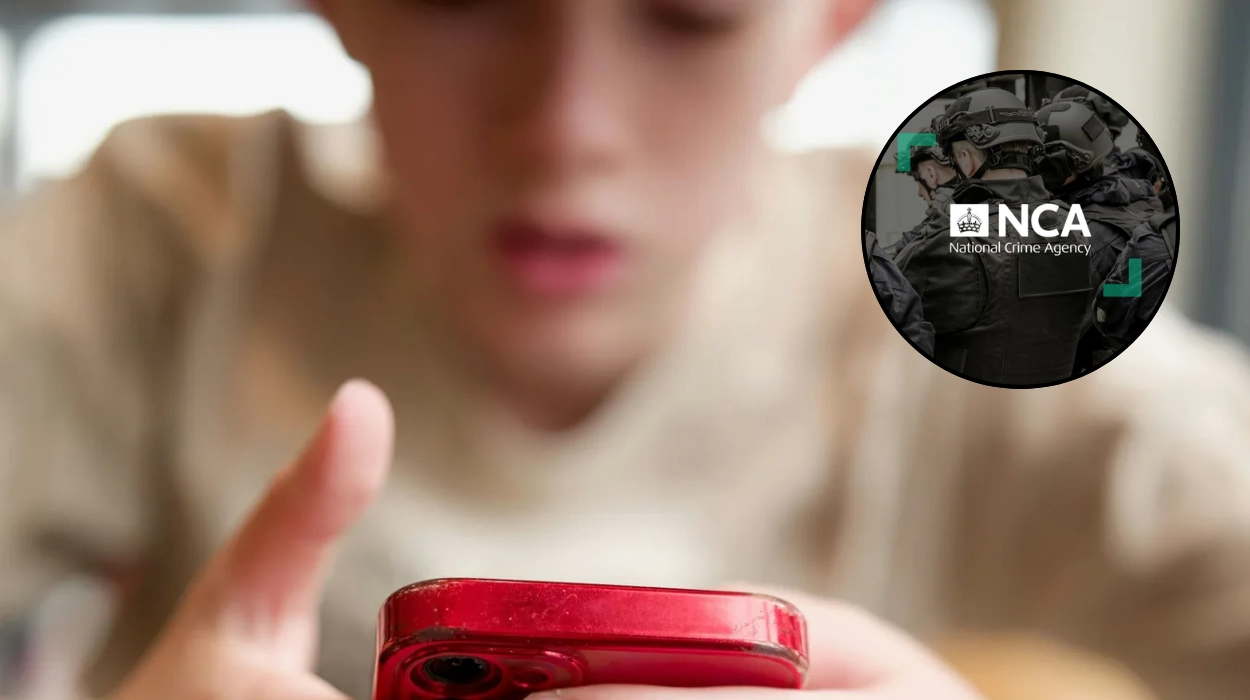
London (Britain Today News) May 23, 2026 – UK law enforcement agencies have issued an unprecedented joint demand for comprehensive social media restrictions on children under 16, marking a decisive shift from waiting for tech companies to self-regulate to demanding immediate legislative action. The National Crime Agency (NCA) and National Police Chiefs’ Council (NPCC) have collectively called for children under 16 to be blocked from any social media platform, gaming app, or artificial intelligence service that fails to disable what they describe as “high-risk” features, according to comprehensive reporting on the joint statement.
- Key Points
- What Six Features Do UK Police Want Banned for Children?
- How Bad Is The Online Threat To Children Really?
- What Is The Government Response To Police Demands?
- Why Are Police Taking This Hard Line Now?
- What Happens Next In The Legislative Process?
- How Does This Compare To International Approaches?
What Six Features Do UK Police Want Banned for Children?
As reported by journalists covering the joint NCA-NPCC statement, UK police want platforms to disable six specific features they say are enabling serious harm to children online. The first feature police want banned is strangers being able to contact kids directly through platforms. The second is private or encrypted messaging that prevents oversight. The third concerns algorithms pushing harmful content to young users. The fourth feature is nude image sharing capabilities. The fifth is weak age checks that fail to verify user ages properly. The sixth and final feature is anything that makes children easily discoverable by other users on platforms.
A significant number of these features are already covered under the UK’s Online Safety Act, which empowers Ofcom, the UK’s official communications watchdog, to investigate and fine platforms that break the rules. However, police want to go further than existing legislation, pushing for new legislation that blocks under-16s from any platform offering these features entirely, along with device-level nudity controls for all under-18s, according to the detailed policy recommendations released by law enforcement.
How Bad Is The Online Threat To Children Really?
The statistics surrounding online harm to children are genuinely alarming, as documented in official NCA reports. The NCA logged 92,000 reports of potential child sexual abuse activity online in 2025, representing a devastating reality for young internet users across the United Kingdom. NCA Director General Graeme Biggar stated that victims are getting younger, and that children are increasingly becoming offenders too, marking a disturbing trend in online criminal activity.
As reported by Graeme Biggar of the National Crime Agency, the director general emphasized the escalating nature of online threats:
“The online threat to children is getting worse.”
This statement comes as law enforcement agencies witness fundamental shifts in how child exploitation and harm occur digitally. NPCC Chair Gavin Stephens put it bluntly in his assessment, calling the internet a “wild west” where regulation just has not kept up with technological advancement and malicious actors exploiting platform vulnerabilities.
What Is The Government Response To Police Demands?
The UK government responded by backing Ofcom to go after platforms that do not comply with safety regulations, demonstrating political support for law enforcement’s position. Government officials said they are exploring everything from age limits and app curfews to outright bans on under-16 social media access, according to statements from government sources covering the consultation process.
These proposals do not go as far as Australia’s full under-16 social media ban, which represents the most stringent approach globally to child social media access. However, the message from UK police is pretty clear that incremental changes are insufficient. Time is up for tech companies dragging their feet on child safety, according to the joint statement from NCA and NPCC leadership that sent shockwaves through the technology industry.
Explore More about UK:
London Police Bust TikTok Fake Fashion Ring in Rotherham 2026
UK Government Bans Smartphones in English Schools 2026
Why Are Police Taking This Hard Line Now?
Law enforcement agencies’ decision to take this hard line comes after years of escalating online harm to children that traditional regulatory approaches have failed to address adequately. The NCA’s 92,000 reports of potential child sexual abuse activity in 2025 alone represents a crisis point that demands immediate action beyond voluntary compliance from technology companies.
As reported by multiple sources covering the joint announcement, the timing reflects frustration with tech companies’ continued delays in implementing robust safety measures. Police leaders argue that the self-regulation model has failed completely, with harmful features remaining enabled on platforms despite repeated warnings from child safety advocates and law enforcement officials.
What Happens Next In The Legislative Process?
The government’s active consultation on whether to introduce a full social media ban for under-16 users marks the beginning of what could be transformative legislation for child online safety in the United Kingdom. Ofcom will receive backing to investigate and penalize platforms that fail to comply with new or existing safety regulations, giving the communications watchdog enhanced enforcement powers.
The proposed legislation would represent a significant expansion of the Online Safety Act’s provisions, moving from fines and investigations to complete access restrictions for children under 16 on non-compliant platforms. Device-level nudity controls for all under-18s would add another layer of protection, ensuring that even if platforms technically comply, children’s devices would prevent exposure to sexually explicit content.
How Does This Compare To International Approaches?
Australia’s full under-16 social media ban represents the most aggressive approach globally, and UK police signals suggest they would support similar comprehensive measures. However, current UK proposals appear more nuanced, focusing on disabling specific high-risk features rather than blanket bans, though outright bans remain under consideration during the government consultation process.
The international context matters as UK platforms operate globally, and fragmented international regulations create enforcement challenges. However, the UK’s position as a major technology market gives it significant leverage to compel compliance from international tech companies, similar to how the EU’s regulations have shaped global technology standards.
The clarity of message from UK law enforcement represents a watershed moment in child online safety policy. After years of warnings, data showing escalating harm, and frustration with tech industry delays, police chiefs and national crime agencies have united behind a clear demand: block under-16s from dangerous platforms or disable dangerous features entirely. The coming months will determine whether this pressure translates into transformative legislation or whether tech companies can negotiate a middle ground that satisfies both safety concerns and industry interests.