Key Points
- Sir Keir Starmer excluded welfare reform from the King’s Speech despite Universal Credit claimants rising by 830,000 to a record 8.3 million in February.
- Department for Work and Pensions figures show 5.2 million unemployed claimants, up from 56% to 62% of total.
- Shadow Chancellor Sir Mel Stride criticises Labour as “terrified of own MPs” and unable to control “benefits bonanza”.
- King’s Speech outlines reforms to apprenticeships, youth unemployment, disability support, peerage removal, Civil Service improvements, anti-Semitism action, cost-of-living measures, conversion therapy ban, and closer EU ties.
- Speech delivered amid political chaos, with Starmer facing calls to quit and local election defeats.
- Government pledges 80% employment rate but retreated from £5bn disability cuts after backbench revolt.
- King highlights “dangerous and volatile world” due to Middle East conflict and commits to British values.
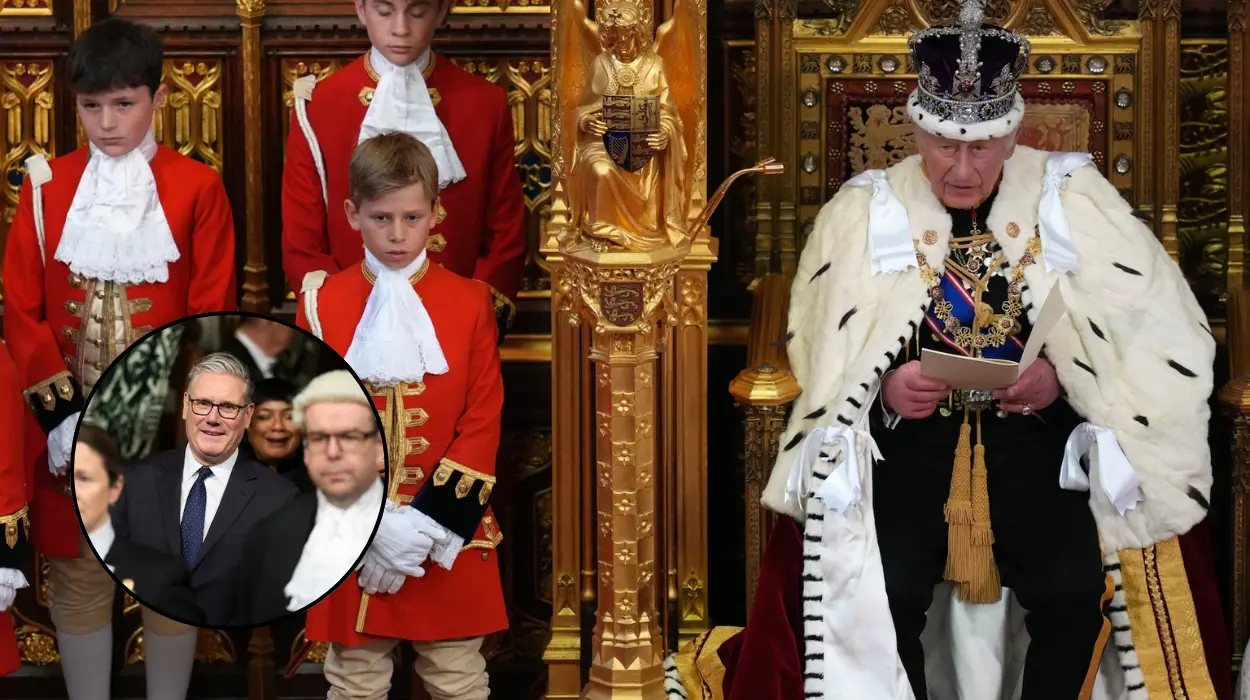
Westminster (Britain Today News) May 13, 2026 – Sir Keir Starmer has omitted welfare reform from the King’s Speech, despite a surge in Universal Credit claimants to a record high under Labour’s watch. Figures from the Department for Work and Pensions reveal 8.3 million people claiming the benefit in February, an increase of 830,000 from 7.5 million a year earlier. This development unfolds as the Prime Minister clings to his position amid mounting political chaos, with the monarch laying out Labour’s plans during the State Opening of Parliament.
- Key Points
- Why Did Starmer Leave Welfare Reform Out of the King’s Speech?
- What Other Reforms Were Announced in the King’s Speech?
- How Is Labour Tackling the Cost-of-Living Crisis?
- What Are the Plans for Closer EU Ties After Brexit?
- What Do Critics Say About Labour’s Welfare Record?
- How Does the King’s Speech Reflect Political Chaos?
- What Lies Ahead for Starmer’s Government?
The absence of a dedicated welfare bill in the speech has drawn sharp criticism from opposition figures, highlighting the Government’s struggle to address ballooning benefit costs. Of the 8.3 million claimants, 5.2 million are unemployed, representing 62 per cent of the total – a rise from 56 per cent the previous year. These statistics undermine Labour’s pledge to “get Britain working” and boost the employment rate to 80 per cent, particularly by tackling the 2.8 million working-age people sidelined by long-term sickness.
Why Did Starmer Leave Welfare Reform Out of the King’s Speech?
The decision to sideline welfare reform comes despite ministers’ earlier attempts to slash the disability benefits bill by £5 billion last summer. Those efforts collapsed in a humiliating climbdown following a revolt from backbench MPs. Sir Keir Starmer, who faced down calls to quit on Tuesday, presented the legislative programme through the King’s address to the Lords and Commons on Wednesday. Palace aides reportedly queried government officials on whether the speech would proceed amid Tuesday’s Westminster turmoil.
Sir Mel Stride, the shadow chancellor, lambasted the omission, stating that it shows Sir Keir is “terrified of his own MPs”. He declared:
“Labour’s benefits bonanza is spiralling and Starmer is too weak to act. Terrified of his own MPs, Starmer talks tough but bottles every real welfare reform. Labour are completely incapable of gripping the welfare bill and Britain cannot afford his weakness any longer.”
Sir Mel further argued that the figures mock Labour’s employment promises, with unemployment claimants now dominating the benefits system.
The King acknowledged ongoing welfare efforts indirectly, stating:
“My ministers will continue to invest in apprenticeships and measures that tackle youth unemployment. They will respond to the Milburn Review and the Timms Review and continue to reform the welfare system to support both young and disabled people to flourish in work as the basis for long-term economic security.”
However, no concrete bill was tabled, leaving observers questioning the Government’s commitment amid record claimant numbers.
What Other Reforms Were Announced in the King’s Speech?
Beyond welfare, the speech outlined a broad legislative agenda. A key measure targets the House of Lords following the Lord Mandelson scandal, where the disgraced peer remains seated despite a police investigation into perverting the course of justice. The King announced:
“My Ministers will also introduce legislation to enable peerages to be removed.”
This bill aims to allow the stripping of titles in response to misconduct.
Civil Service enhancements featured prominently, with the monarch declaring:
“My Government will bring forward proposals that strengthen the delivery, accountability, innovation and productivity of the Civil Service.”
The address also committed to combating anti-Semitism amid a surge in violent attacks, particularly in north London. The King said:
“My Government will take urgent action to tackle anti-Semitism and ensure all communities feel safe.”
Geopolitical tensions coloured the speech, with reference to a “dangerous and volatile world” driven by Middle East conflict. The King emphasised:
“Every element of the nation’s energy, defence and economic security will be tested.”
He pledged to defend
“the British values of decency, tolerance and respect for difference under our common flag”
to heal political divisions.
How Is Labour Tackling the Cost-of-Living Crisis?
Economic security dominated the narrative, with the King outlining measures to raise living standards. He stated:
“My Government believes that the UK’s economic security depends on raising living standards in every part of the UK. My ministers will support measures that maintain stability and control the cost of living.”
Further details included:
“They will use public investment to shape markets and attract further private investment. They will deploy the power of an active State in partnership with business and enable reforms that support higher growth and a fair deal for working people.”
A controversial draft bill to ban conversion therapy was also unveiled. The monarch described it as legislation to “ban abusive conversion practices”, targeting therapists who seek to alter children’s sexual orientation or gender identity. Critics warn it could hinder parents, teachers, and doctors from questioning gender transitions.
What Are the Plans for Closer EU Ties After Brexit?
Closer European integration emerged as a cornerstone, reflecting Sir Keir Starmer’s recent vow to place Britain “at the heart of Europe”. The King said:
“My Government believes that improved trading relations are vital for the UK’s economic security, for significantly raising economic growth, and for lowering prices for working people. My Ministers will introduce legislation to take advantage of new trading opportunities, including a bill to strengthen ties with the EU.”
This pledge follows Starmer’s Monday reset speech, where he insisted “incremental change won’t cut it” after Labour’s crushing local election losses. The Prime Minister’s address aimed to salvage his leadership amid union pressure to step down before the next general election.
What Do Critics Say About Labour’s Welfare Record?
Opposition voices have amplified concerns over the benefits surge. Sir Mel Stride’s remarks, as covered extensively, portray Labour as fiscally reckless. The shadow chancellor highlighted how 830,000 additional claimants in a year – reaching 8.3 million – coincide with rising unemployment proportions. He mocked the Government’s 80 per cent employment target as unattainable without bold reforms, which Labour has repeatedly deferred.
The Department for Work and Pensions data underscores the scale: from 7.5 million to 8.3 million claimants year-on-year, with non-working individuals now at 62 per cent. This shift challenges Labour’s narrative of economic recovery, especially post-local election setbacks that have fuelled speculation about Starmer’s tenure.
How Does the King’s Speech Reflect Political Chaos?
The State Opening occurred against a backdrop of unprecedented Westminster instability. Tuesday’s events were so chaotic that Palace officials sought confirmation on proceeding. Starmer’s refusal to resign despite union demands and electoral woes underscores his precarious grip on power.
Labour’s climbdown on disability cuts exemplifies internal divisions. Ministers’ £5 billion savings plan crumbled under backbench pressure, mirroring the welfare bill’s exclusion. The speech’s vague reform language – referencing reviews by Alan Milburn and Stephen Timms – suggests incremental steps rather than overhaul.
What Lies Ahead for Starmer’s Government?
The legislative slate signals Labour’s priorities: peer accountability, Civil Service efficiency, anti-hate measures, economic interventionism, social protections, and EU realignment. Yet, the welfare omission looms largest, with critics like Sir Mel Stride warning of unsustainable costs. As Britain navigates global volatility, Starmer’s ability to unify his party and deliver growth will define his premiership.
The speech’s emphasis on apprenticeships and youth initiatives aims to address 2.8 million long-term sick, but without a welfare bill, scepticism persists. Political observers note Starmer’s EU pivot as a bid to lower prices and boost growth, potentially reshaping post-Brexit dynamics.
In total, this King’s Speech navigates domestic strife and international peril, offering glimpses of ambition tempered by caution.