Key Points
- Prime Minister Sir Keir Starmer said every part of society must help tackle antisemitism in the UK.
- He described recent attacks on British Jews as a “crisis” and said the problem is “a crisis for all of us.”
- The government announced an extra £1.5 million to strengthen community cohesion and protect Jews in the highest-risk areas.
- Hate crime prosecutions will be fast-tracked after a rise in antisemitic incidents.
- Universities will be expected to publish the scale of antisemitism on their campuses and show what action they are taking.
- The Arts Council will be expected to withdraw public funding where it is used to platform antisemitism.
- More than 90 people attended the Downing Street summit, including police chiefs, university leaders, Arts Council England, NHS bosses and trade union leaders.
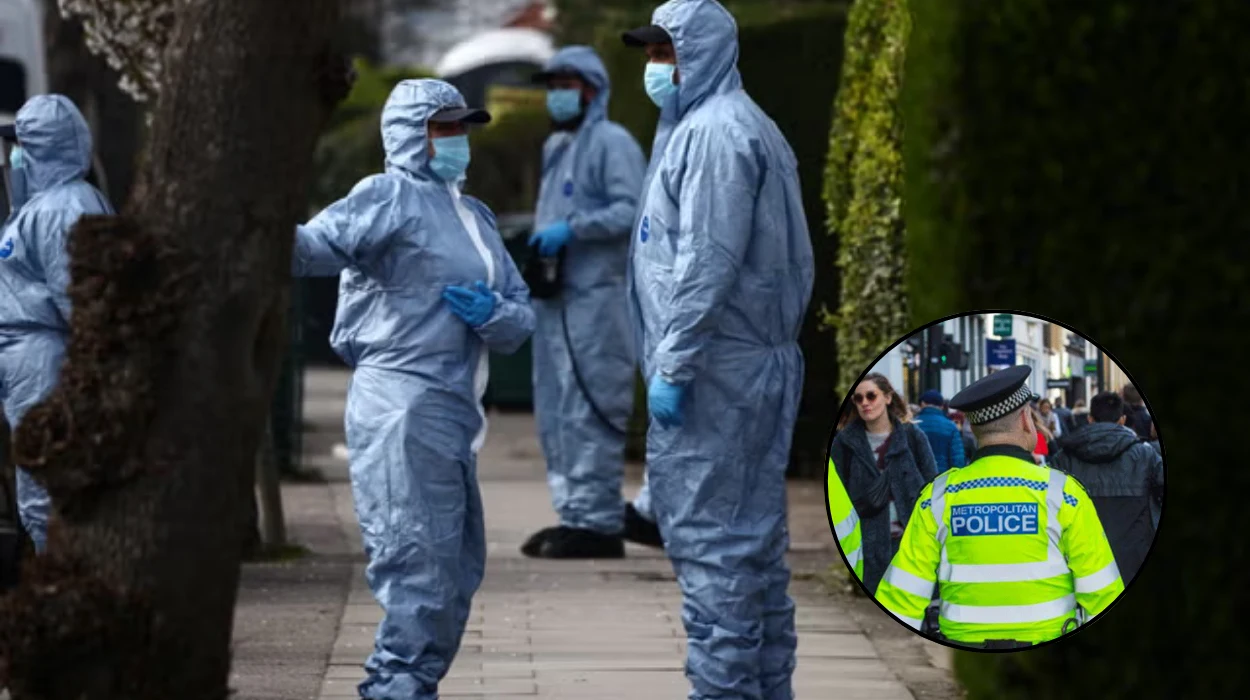
- The Metropolitan Police treated the Golders Green stabbing as a terrorist incident and a counter-terrorism inquiry is also examining a suspected arson attack at a former synagogue in Whitechapel.
- Starmer said one line of inquiry is whether a foreign state has been behind some of the incidents, warning Iran or any other country seeking to incite violence that it “will not be tolerated.”
- Ministers are planning new anti-terror powers that would allow them to ban state threats such as the IRGC in the next parliamentary session.
Why did Starmer call antisemitism a crisis?
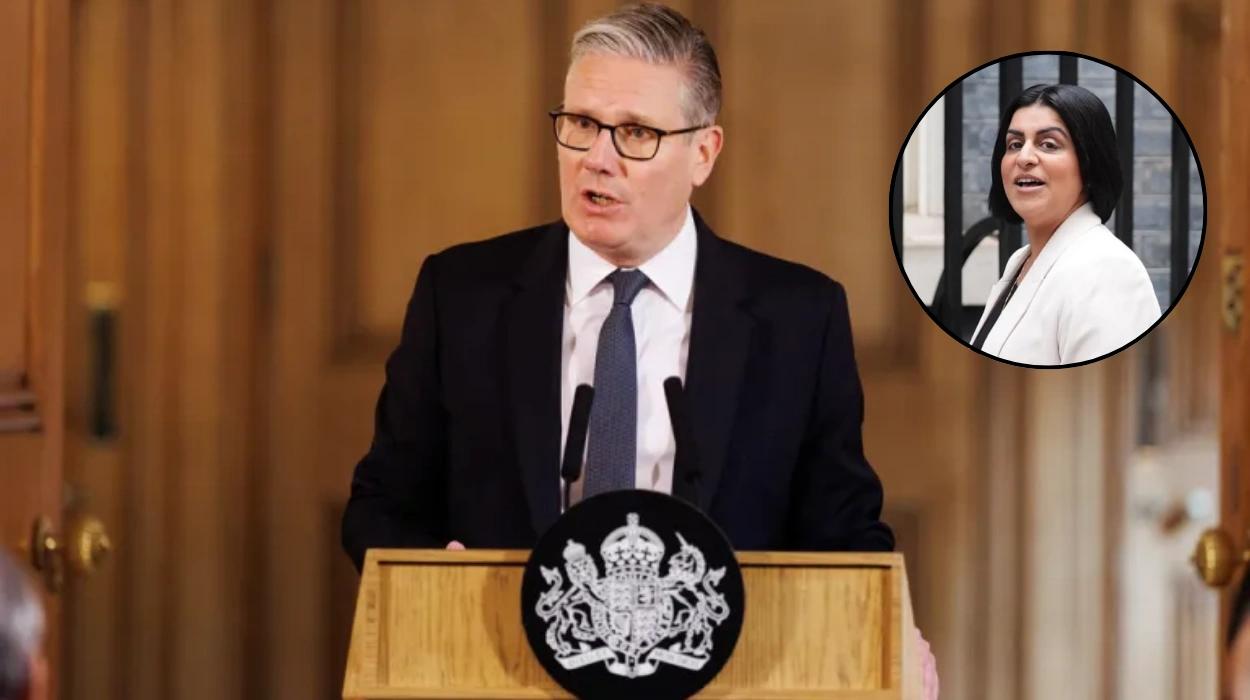
London (Britain Today News) May 6, 2026 – Prime Minister Sir Keir Starmer has warned that antisemitism in Britain has reached a level he considers a national crisis, insisting that responsibility for tackling it cannot rest with Jewish communities alone. He told a Downing Street summit that “every segment of society” must confront the forces driving the hatred, as attacks on British Jews continue to alarm community leaders and security agencies.
- Key Points
- Why did Starmer call antisemitism a crisis?
- What happened at the Downing Street summit?
- What funding has the government announced?
- How will universities and the Arts Council respond?
- What is happening with prosecutions?
- How do the recent attacks fit in?
- What did Starmer say about foreign influence?
- What are the political tensions around protests?
- Why does this matter now?
The summit brought together senior figures from the police, the arts, higher education, healthcare, business and trade unions, alongside representatives from the Jewish community. Starmer used the gathering to press a wider message: that public institutions, employers and civic leaders must move beyond expressions of solidarity and take direct action.
He said the situation had become “a crisis for all of us,” adding:
“So, it is not enough to simply say we stand with Jewish communities. Of course we do, but we have to show with action. And that responsibility lies with each and every one of us.”
What happened at the Downing Street summit?
The meeting was designed to identify how antisemitism is appearing across different parts of public life and what more can be done to stop it. More than 90 people attended, including Metropolitan Police Commissioner Sir Mark Rowley, Greater Manchester Police Chief Constable Sir Stephen Watson, university vice-chancellors, Arts Council England, NHS leaders and trade union representatives.
The discussions focused on practical measures rather than broad statements of concern. The government’s approach was presented as a “whole of society” response, with the prime minister stressing that institutions should detect, report and confront hatred wherever it surfaces.
Phil Rosenberg, president of the Board of Deputies of British Jews, said there was anger that antisemitism had been allowed to “fester” and become a crisis, but he described the summit as helpful. He said:
“We need to do three things: we need to protect, we need to prosecute and we need to partner.”
What funding has the government announced?
The government said it would provide an extra £1.5 million to strengthen community cohesion and protect Jewish people in the areas most affected by recent incidents. That package includes an extra £1 million for the Common Ground programme, which supports local projects aimed at community safety, youth work, schools outreach, interfaith initiatives and efforts to challenge antisemitic narratives.
An additional £500,000 has also been allocated to Barnet Council in north London, reflecting the number of Jewish residents there and the recent serious antisemitic incidents in the borough. This sits alongside an earlier pledge of £25 million for increased police patrols in areas with large Jewish populations and stronger security at synagogues, schools and community centres.
In practical terms, the funding is meant to reduce risk in the short term while also supporting longer-term work in education, local engagement and hate prevention. The government says it wants visible protection now, but also a stronger local response that can make communities safer over time.
How will universities and the Arts Council respond?
One of the most direct measures announced at the summit was aimed at universities. Starmer said universities will be expected to publish the scale of antisemitism on their campuses and demonstrate what action they are taking to deal with it.
A Downing Street spokesperson later said the government would
“set out next steps in due course”
when asked what consequences universities might face if they do not act appropriately, adding:
The Arts Council was also singled out. Starmer said public funding should be withdrawn where it is being used to platform antisemitism, signalling a tougher line on cultural organisations that are seen to allow hateful content or behaviour to go unchecked.
What is happening with prosecutions?
The chief prosecutor for England and Wales has said hate crime cases will be fast-tracked because of what he described as a
“deeply troubling rise in antisemitic incidents.”
Stephen Parkinson has issued guidance telling prosecutors that once the evidential threshold for a charge is met,
“any supporting evidence can be obtained subsequently.”
That shift is intended to stop cases from being delayed while every possible piece of material is gathered, provided the core legal test has already been satisfied. The move comes amid pressure from Jewish community leaders, who have argued that the justice system needs to respond more quickly and more visibly to antisemitic offences.
The guidance also reflects concern that only a fraction of antisemitic crimes are referred to prosecutors, with the CPS saying the community has faced
“extreme acts of violence and criminal damage.”
How do the recent attacks fit in?
The Downing Street summit took place against a backdrop of serious incidents in London. Police declared a terrorist incident after the stabbing of two Jewish men, Shloime Rand, 34, and Moshe Shine, 76, in Golders Green. Essa Suleiman, 45, has been charged with three counts of attempted murder in relation to the attack, including an alleged assault on a third man earlier the same day.
Counter-terrorism officers are also investigating a suspected arson attack at a former synagogue in Whitechapel, east London, which took place in the early hours of Tuesday. That incident follows other suspected arson attacks, including one targeting ambulances owned by a Jewish charity and another at a synagogue in north London.
The wider pattern of attacks has fuelled anxiety among Jewish communities, especially after the Golders Green stabbing and the series of fire-related incidents. The sense of insecurity has been sharpened by criticism that the government has not acted quickly enough.
What did Starmer say about foreign influence?
Starmer said one line of inquiry was whether a foreign state had been behind some of the incidents. He warned:
“Our message to Iran, or to any other country that might seek to foment violence, hatred or division in society, is that it will not be tolerated.”
He also said the government was
“fast-tracking legislation to tackle these malign threats.”
That language points to a broader security response beyond policing and prosecution, including powers aimed at hostile state activity.
The issue has revived calls from parts of the Jewish community for Iran’s Islamic Revolutionary Guard Corps to be proscribed, while ministers are now planning new anti-terror powers that could ban state threats such as the IRGC in the next parliamentary session.
What are the political tensions around protests?
The debate has also widened into arguments over pro-Palestinian marches. Starmer has suggested there may be a case for banning some marches because of the “cumulative” effect they may have on the Jewish community.
Conservative leader Kemi Badenoch has gone further, calling antisemitism a “national emergency” and saying the normalisation of hatred towards Jews is reminiscent of the political climate of the 1930s. She blamed “Islamic extremists” and a “nasty strand of hard-left ideology,” and described the marches as “a festival of hatred.”
Campaign groups involved in the protests reject the claim that the marches are connected with attacks on Jews. They argue that peaceful protest is a democratic right and that linking the demonstrations to antisemitic violence is wrong.
Why does this matter now?
The government is trying to show that it is treating antisemitism as both a public safety issue and a wider test of social responsibility. The announcements on funding, prosecutions, education and security suggest a more coordinated response than before, but the political pressure remains intense because community fear has not eased.
The central message from the summit was that antisemitism is not only a problem for one community, but a challenge to the standards of the country as a whole. Starmer’s appeal was simple: institutions should stop treating the issue as someone else’s responsibility and act on it directly.