Key Points
- US President Donald Trump published a short message on Truth Social calling for an immediate halt to the conflict between Iran and Israel
- Trump wrote explicitly: “Israel and Iran must immediately stop shooting”
- The message was published during reciprocal attacks between Iran and Israel over the past few hours
- The Israeli military reported attacks on targets in Iran while Iran reported firing missiles toward Israel
- Hours earlier, Trump attempted to downplay the impact of these conflicts on negotiations with Tehran
- In an interview with the Financial Times, Trump stated: “This will have no effect on the agreement”
- Trump commented on potential reciprocal decisions by Israeli Prime Minister Benjamin Netanyahu: “I decide. I make all the decisions. He is not the decision-maker”
- The conflict represents a significant escalation in tensions between the two nations
- Trump’s message emphasizes US presidential authority over Middle East policy decisions
- The timing of Trump’s message coincides with active missile exchanges between the nations
- US position maintains focus on diplomatic agreement despite military escalated
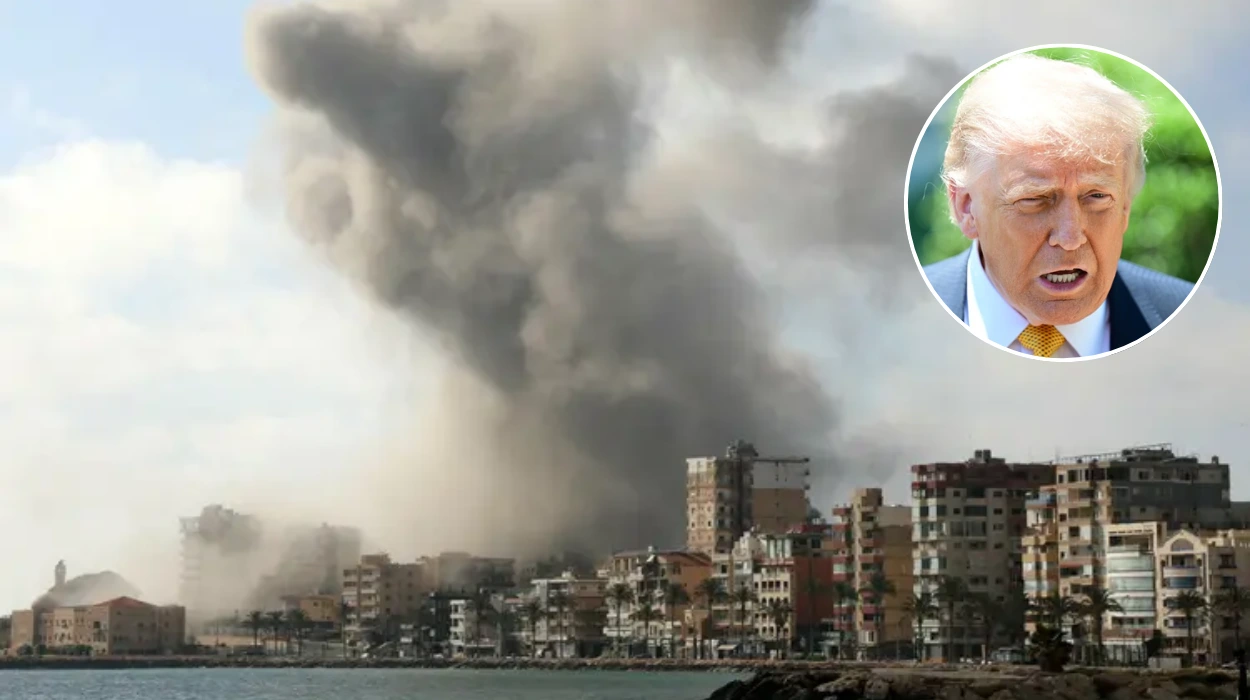
WashingtonDC (Britain Today News) June 8, 2026 – US President Donald Trump has issued a direct and urgent call for immediate cessation of armed conflict between Iran and Israel, publishing a concise message on his Truth Social platform that demands both nations halt their reciprocal military attacks. The President’s statement, which arrived during an active period of missile exchanges between the two countries, represents a significant intervention by the American leadership in the escalating Middle East tensions that have raised world concerns about broader regional instability.
- Key Points
- When Did the Reciprocal Attacks Between Iran and Israel Begin?
- How Will This Conflict affects Negotiations with Tehran?
- Who Makes Decisions on Middle East Policy According to Trump?
- What Is the Current Status of the Iran-Israel Military Exchange?
- Why Did Trump Choose Truth Social for This Message?
- What Are the International Implications of This Conflict?
- How Does This Fit Into Trump’s Overall Middle East Strategy?
- What Statement Did Trump Make About Netanyahu’s Role?
Trump’s message on Truth Social was unequivocal in its demand:
“Israel and Iran must immediately stop shooting.”
This direct language from the President underscores the urgency with which the US administration views the current escalation, which has seen both nations conduct offensive military operations against each other within a compressed timeframe. The Israeli military confirmed it had launched attacks on multiple targets within Iranian territory, while the Islamic Republic simultaneously reported firing missiles toward Israeli territory, creating a dangerous cycle of reciprocal violence that Trump’s message seeks to interrupt.
The timing of Trump’s intervention is particularly significant, as it occurred during active military operations rather than as a post-conflict diplomatic statement. This timing suggests the President’s intention to exert immediate pressure on both nations to cease hostilities before the conflict expands further. The message’s brevity and directness align with Trump’s characteristic communication style, which often favors concise, forceful statements over elaborate diplomatic language.
When Did the Reciprocal Attacks Between Iran and Israel Begin?
The military escalation between Iran and Israel began hours before Trump’s Truth Social message, with both nations launching coordinated offensive operations against each other. The Israeli military initiated attacks on targets within Iran, marking a significant escalation in the long-standing tensions between the two nations. Simultaneously, the Islamic Republic of Iran reported firing missiles toward Israel, creating a dangerous cycle of reciprocal military action that has drawn international attention.
The attacks represent one of the most direct confrontations between Iran and Israel in recent years. The Israeli military’s strikes on Iranian targets were described as precise operations aimed at specific strategic locations, while Iran’s missile response toward Israel demonstrated the Islamic Republic’s capability to launch offensive operations against Israeli territory. This reciprocal nature of the attacks has created a volatile situation that could potentially expand beyond the immediate participants.
The timeline of events shows that Trump had attempted to address the conflict’s implications before issuing his direct call for cessation. Hours earlier, coinciding with the start of Iran’s missile attacks on Israel, the President had made statements attempting to downplay the conflict’s impact on ongoing negotiations with Tehran. This earlier positioning suggests the President was attempting to maintain diplomatic momentum even as military operations intensified, a strategy that ultimately led to his more direct intervention calling for immediate cessation of fighting.
How Will This Conflict affects Negotiations with Tehran?
Trump’s position on the conflict’s impact on negotiations with Tehran represents a key element of his overall Middle East strategy. In an interview conducted by the Financial Times, the President stated definitively:
“This will have no effect on the agreement.”
This statement indicates Trump’s belief that diplomatic negotiations can continue alongside military tensions, a position that has drawn both support and criticism from international experts and Middle East policy analysts.
Trump’s assertion that the conflict will not affect negotiations reflects the President’s confidence in his ability to manage multiple diplomatic tracks simultaneously. The President’s position suggests that he views the military exchanges as separate from the broader diplomatic framework he is attempting to establish with Tehran. This approach differs from traditional diplomatic thinking, which often views military conflicts as obstacles to negotiation rather than parallel processes.
The President’s statement about negotiations occurring despite military tensions raises questions about the practical implementation of such an approach. Diplomatic experts have noted that simultaneous military conflict and negotiation create complex challenges for both sides, as military actions can undermine trust necessary for successful diplomatic engagement. However, Trump’s assertion that negotiations will proceed unchanged suggests he believes the US can maintain diplomatic momentum regardless of military developments.
Who Makes Decisions on Middle East Policy According to Trump?
A striking element of Trump’s response to the Iran-Israel conflict is his explicit assertion of presidential authority over Middle East policy decisions. In comments regarding potential reciprocal decisions by Israeli Prime Minister Benjamin Netanyahu, Trump stated unequivocally:
“I decide. I make all the decisions. He is not the decision-maker.”
This statement, reported by multiple media outlets covering the President’s remarks, emphasizes Trump’s view of American presidential authority in Middle East affairs and his intention to maintain centralized control over policy decisions.
Trump’s remarks, this assertion of authority reflects the President’s characteristic approach to international relations, where he emphasizes American power and presidential control. Trump’s statement regarding Netanyahu suggests the President views the Israeli Prime Minister as a partner who must align with US decisions rather than an independent decision-maker in Middle East policy. This positioning has implications for US-Israel relations and the character of the strategic partnership between the two nations.
The President’s emphasis on his decision-making authority also reflects his broader approach to international diplomacy, where he often positions himself as the primary arbiter of major policy decisions. This approach differs from more collaborative diplomatic traditions that emphasize consultation with allies and shared decision-making. Trump’s statement suggests he views Middle East policy as requiring centralized American leadership rather than distributed international coordination.
What Is the Current Status of the Iran-Israel Military Exchange?
The current military situation between Iran and Israel remains volatile, with both nations continuing to report offensive operations against each other. The Israeli military has confirmed attacks on multiple targets within Iranian territory, while Iran continues to report missile launches toward Israeli territory. This ongoing exchange represents a significant escalation that has drawn international attention and concern about potential broader regional consequences.
Military analysts reporting on the situation note that the reciprocal attacks demonstrate both nations’ capability and willingness to conduct offensive operations against each other. The Israeli military’s strikes on Iranian targets appear designed to demonstrate precision and strategic targeting, while Iran’s missile response toward Israel demonstrates the Islamic Republic’s offensive capability. This mutual demonstration of military capability has created a dangerous dynamic where both nations perceive the other as an active threat requiring military response.
The international community has expressed concern about the potential for the conflict to expand beyond Iran and Israel. Regional neighbors and international powers have worry that the escalation could trigger broader involvement from other Middle East nations or create conditions for extended conflict. Trump’s call for immediate cessation appears motivated by concerns about this potential expansion, as well as the immediate humanitarian and strategic consequences of continued military exchange.
Why Did Trump Choose Truth Social for This Message?
Trump’s decision to publish his message calling for cessation of the Iran-Israel conflict on Truth Social rather than through traditional diplomatic channels reflects his characteristic communication strategy. Truth Social, Trump’s own social media platform, has become his primary channel for public communications, allowing him to bypass traditional media filters and communicate directly with his audience. This choice of platform for such a significant diplomatic message underscores Trump’s preference for direct, unmediated communication in international affairs.
The use of Truth Social for diplomatic messages represents a departure from traditional diplomatic communication practices, which typically involve formal channels, official statements, and coordinated messaging through government channels. Trump’s approach suggests he views social media as an effective tool for rapid diplomatic intervention, allowing him to communicate positions quickly and directly without the delays associated with traditional diplomatic processes.
This communication strategy has implications for how international leaders perceive US diplomatic messaging. Trump’s use of Truth Social for significant policy statements means that international leaders must monitor his social media activity for policy indications rather than relying solely on traditional diplomatic channels. This approach has both advantages, such as speed and clarity, and disadvantages, including potential lack of nuance and the possibility of misinterpretation by international audiences.
Explore More about World:
Hegseth Warns of ‘Ideological Invasion’ in D-Day Speech
Kuwait intercepts seven ballistic missiles in latest defense operation
What Are the International Implications of This Conflict?
The Iran-Israel conflict carries significant international implications that extend beyond the immediate participants. Regional neighbors in the Middle East face potential security consequences from the escalation, while global powers must consider how the conflict affects their own strategic interests in the region. The conflict’s potential to expand beyond Iran and Israel has drawn attention from international organizations and foreign governments concerned about broader regional stability.
European powers, including those in the United Kingdom, have expressed concern about the conflict’s impact on regional stability and potential effects on energy markets. The Middle East’s importance as a global energy source means that prolonged conflict could affect international energy prices and availability. Additionally, the conflict’s potential to trigger broader regional involvement raises concerns about terrorist activity and security threats that could extend beyond the Middle East.
International diplomatic organizations have called for restraint and dialogue, emphasizing the importance of preventing further escalation. The United Nations and other international bodies have expressed concern about humanitarian consequences and the potential for the conflict to create lasting instability in the region. Trump’s call for immediate cessation aligns with these international concerns, though his approach to implementing cessation differs from traditional multilateral diplomatic approaches.
How Does This Fit Into Trump’s Overall Middle East Strategy?
Trump’s intervention in the Iran-Israel conflict fits within his broader Middle East strategy, which emphasizes American leadership, direct negotiation, and presidential control over policy decisions. The President’s assertion of decision-making authority over Netanyahu and his confidence that negotiations will continue despite military conflict reflect his characteristic approach to international diplomacy, where he positions himself as the primary arbiter of major policy decisions.
This strategy differs from previous US approaches to the Middle East, which often emphasized multilateral coordination, consultation with allies, and gradual diplomatic processes. Trump’s approach prioritizes speed, directness, and American centralization of decision-making. His message calling for immediate cessation of the Iran-Israel conflict demonstrates this approach, as he uses direct communication to demand immediate action rather than engaging in prolonged diplomatic negotiations.
The President’s Middle East strategy also emphasizes the importance of maintaining diplomatic momentum even during military tensions. His assertion that negotiations with Tehran will continue despite the conflict reflects this approach, suggesting he views diplomatic and military tracks as separate processes that can proceed simultaneously. This approach has both potential benefits, such as maintaining diplomatic channels during conflict, and potential risks, including the possibility that military actions undermine diplomatic trust.
What Statement Did Trump Make About Netanyahu’s Role?
Trump’s comments about Israeli Prime Minister Benjamin Netanyahu’s role in Middle East decisions represent a significant statement about US-Israel relations and the character of their strategic partnership. Trump’s remarks, the President stated:
“I decide. I make all the decisions. He is not the decision-maker.”
This statement emphasizes Trump’s view that Middle East policy decisions ultimately rest with the American President rather than with Israeli leadership.
This assertion of American presidential authority over Israeli decision-making has implications for the US-Israel strategic partnership. While the two nations maintain strong strategic relations, Trump’s statement suggests he views Israel as a partner that must align with US decisions rather than an independent decision-maker in Middle East policy. This positioning could affect how Israeli leadership approaches future policy decisions and how they coordinate with US officials.
Trump’s statement also reflects his broader approach to international alliances, where he emphasizes American power and presidential control. This approach differs from more collaborative diplomatic traditions that emphasize shared decision-making and consultation with allies. The President’s emphasis on his decision-making authority suggests he views Middle East policy as requiring centralized American leadership rather than distributed international coordination.
President Trump’s message calling for immediate cessation of the Iran-Israel conflict represents a significant intervention in escalating Middle East tensions. His direct language, use of Truth Social for diplomatic communication, and assertion of presidential authority over Middle East policy decisions all reflect his characteristic approach to international relations. The conflict’s potential to expand beyond Iran and Israel, combined with its implications for regional stability and international energy markets, makes Trump’s intervention particularly significant.
The President’s assertion that negotiations with Tehran will continue despite military conflict reflects his belief that diplomatic and military tracks can proceed simultaneously. This approach differs from traditional diplomatic thinking but aligns with Trump’s characteristic emphasis on speed, directness, and American centralization of decision-making. As the conflict continues, international observers will monitor whether Trump’s call for immediate cessation succeeds in halting the reciprocal attacks and whether his approach to managing diplomatic and military tracks simultaneously proves effective.
The international implications of this conflict extend beyond the immediate participants, affecting regional neighbors, global powers, and international organizations concerned about Middle East stability. Trump’s intervention represents an attempt to prevent further escalation while maintaining diplomatic momentum, though the success of this approach remains to be determined. As both nations continue reporting offensive operations against each other, the international community faces uncertainty about whether the conflict will remain contained or expand into broader regional instability.