
Key Points
- Former top US health officials and experts are urging the Trump administration to abandon plans for an Ebola quarantine and treatment centre in Kenya
- The policy departs from established practice of bringing CDC staff back to the US for treatment and offering support to all health workers
- The CDC union calls for Americans exposed to Ebola to be brought home for treatment instead
- The Kenyan high court blocked the order to set up the field hospital, but both Kenyan and US governments moved forward anyway
- First American responders reportedly landed at the Laikipia airbase on Saturday despite the court blocking
- Several former US health leaders, including previous top-level CDC officials, laid out objections in a letter to Congress
- The letter states the policy raises “profound clinical, ethical, operational and legal concerns”
- Daniel Jernigan, who spent 31 years at CDC including overseeing Ebola response in 2014-15, resigned last year and criticised the plan
- Jernigan stated it’s unclear how current officials arrived at this plan because “it’s against so many ethical underpinnings”
- The plan represents a significant shift from previous US Ebola response protocols
Nairobi (Britain Today News) June 4, 2026 – A contentious plan by the Trump administration to establish an American-only Ebola quarantine and treatment centre in Kenya has drawn sharp criticism from former US health officials, public health experts, and the CDC workers union, who argue the policy violates ethical medical standards and departs critically from established protocols for treating American health workers exposed to infectious diseases.
- Key Points
- What Is the American-Only Ebola Quarantine Centre Plan in Kenya?
- Why Are Former US Health Officials Opposing This Plan?
- What Did the CDC Union Say About the Ebola Treatment Facility?
- How Did the Kenyan High Court Rule on the Ebola Centre?
- What Are the Clinical Concerns About the Kenya Facility?
- What Ethical Issues Does the American-Only Policy Raise?
- What Legal Concerns Have Been Raised About the Facility?
- How Does This Plan Differ from Previous Ebola Response Protocols?
- What Operational Challenges Does the Kenya Facility Present?
- What Has the Trump Administration Said About the Plan?
- What Is the Broader Context of US-Ebola Response Policy?
- What Are the Implications for International Public Health Cooperation?
- What Do Medical Ethics Experts Say About the Policy?
- What Is the Future of the Kenya Ebola Facility?
- What Should Happen Next According to Experts?
What Is the American-Only Ebola Quarantine Centre Plan in Kenya?
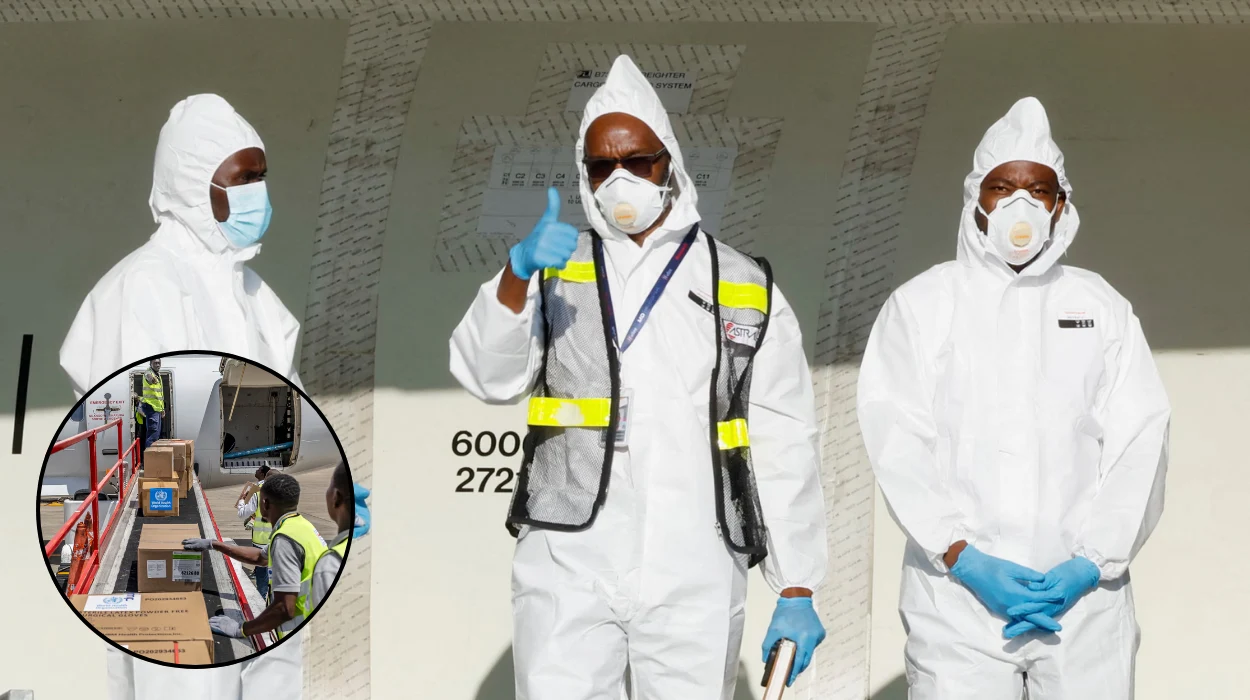
The controversial plan involves setting up a field hospital in Kenya specifically designated for the Ebola quarantine and treatment of American citizens, particularly US health workers who become exposed to the deadly virus while responding to outbreaks in Africa. This policy represents a dramatic departure from the long-standing practice of bringing CDC staff back to the United States for treatment and offering comprehensive support to all health workers regardless of nationality.
The facility is located near the Laikipia airbase in Kenya, where the first American responders reportedly landed on Saturday despite legal challenges. According to multiple sources, the Trump administration revealed plans for this field hospital soon after an Ebola outbreak concern emerged, but the move quickly encountered opposition from both legal and public health communities.
Why Are Former US Health Officials Opposing This Plan?
Several former US health leaders, including previous top-level CDC officials, formally laid out their objections in an open letter to Congress that has garnered significant attention from the public health community. As reported by the Infectious Diseases Society of America, the letter states unequivocally:
“This policy raises profound clinical, ethical, operational and legal concerns.”
Daniel Jernigan, a prominent figure who spent 31 years at the CDC including overseeing the agency’s Ebola response during the critical 2014-15 outbreak, resigned last year and has been vocal about his objections to the new policy. As reported by Daniel Jernigan himself, he stated it was not clear how current officials had arrived at this plan
“because it’s against so many ethical underpinnings”
of medical treatment and public health response.
Jernigan’s credentials lend significant weight to the criticism, given his extensive experience managing Ebola responses and his deep understanding of infectious disease protocols. His resignation last year, as noted in reports by the Guardian, came amid broader concerns about CDC leadership changes and policy directions under the current administration.
What Did the CDC Union Say About the Ebola Treatment Facility?
The union representing workers with the US Centers for Disease Control and Prevention has taken a firm stance against the Kenya facility, calling for Americans exposed to Ebola to be brought home for treatment instead. According to union statements, the established protocol of treating CDC staff in specialized US medical facilities has proven effective and safe, making the Kenya facility unnecessary and potentially dangerous.
The union’s position emphasizes that bringing exposed American health workers back to the United States for treatment ensures they receive care in facilities with proven expertise in treating Ebola, advanced medical equipment, and comprehensive support systems that may not be available in a field hospital setting in Kenya.
How Did the Kenyan High Court Rule on the Ebola Centre?
The Kenyan high court blocked the order to establish the American-only Ebola quarantine and treatment centre, citing legal and procedural concerns about the arrangement. As reported by Kenyan legal sources, the court’s ruling was based on questions about proper authorization, environmental impact assessments, and compliance with Kenyan health regulations.
Despite the court blocking the order, both the Kenyan and US governments moved forward with the plan anyway. According to reports, the first American responders reportedly landed at the Laikipia airbase on Saturday, suggesting that the governments proceeded despite the legal challenge. This unprecedented move has raised additional questions about the rule of law and international cooperation in public health emergencies.
What Are the Clinical Concerns About the Kenya Facility?
Public health experts have raised serious clinical concerns about treating Ebola patients in a field hospital setting in Kenya rather than in specialized US medical facilities. As reported by infectious disease specialists, Ebola treatment requires specialized isolation units, advanced life support capabilities, and medical teams with extensive experience treating the virus.
The clinical concerns include questions about the adequacy of medical equipment, availability of specialized staff, infection control protocols, and ability to manage complications that frequently arise during Ebola treatment. Experts argue that the specialized biocontainment units in the United States have demonstrated success in treating Ebola patients with higher survival rates than many other locations.
What Ethical Issues Does the American-Only Policy Raise?
The ethical concerns surrounding the American-only policy are perhaps the most damning criticism from the public health community. As reported by bioethicists and medical ethicists, the policy creates a two-tier system where American health workers receive preferential treatment while other health workers, including Kenyan and other African medical personnel who may be equally exposed to Ebola, are excluded from the facility.
The ethical underpinnings of medical treatment emphasize equal care for all patients regardless of nationality, race, or socioeconomic status. The American-only designation directly contradicts these principles, creating what critics describe as medical apartheid in the context of infectious disease response.
What Legal Concerns Have Been Raised About the Facility?
The legal concerns raised in the letter to Congress include questions about proper authorization, compliance with international health regulations, and potential violations of Kenyan law. As reported by legal experts, the facility may violate several international agreements regarding the treatment of foreign nationals and the establishment of medical facilities in sovereign nations.
The Kenyan high court’s decision to block the order suggests significant legal problems with the arrangement. Legal scholars note that establishing a foreign-only medical facility on Kenyan soil raises questions about jurisdiction, medical licensing, liability, and accountability if patients suffer harm or if infections spread from the facility.
How Does This Plan Differ from Previous Ebola Response Protocols?
The plan represents a fundamental shift from previous US Ebola response protocols that have been developed and refined over more than a decade of experience with Ebola outbreaks. As reported by public health historians, the established protocol during the 2014-15 Ebola outbreak and subsequent outbreaks involved bringing exposed American health workers back to specialized biocontainment units in the United States.
This previous approach proved highly successful, with American health workers treated in US facilities having significantly higher survival rates than those treated elsewhere. The policy also included comprehensive support for all health workers, regardless of nationality, recognizing that infectious disease response requires international cooperation and mutual support.
What Operational Challenges Does the Kenya Facility Present?
Operational challenges include questions about staffing the facility with appropriately trained medical personnel, maintaining adequate supplies of medications and equipment, ensuring proper waste disposal and infection control, and coordinating with local health authorities. As reported by operational experts, field hospitals face significant logistical challenges even under ideal circumstances, and treating Ebola patients adds multiple layers of complexity.
The operational concerns also include questions about transportation safety for patients being flown to Kenya, the ability to maintain consistent staffing levels, and the sustainability of the facility over time. Experts worry that the facility may not be able to maintain the high standards required for safe Ebola treatment.
What Has the Trump Administration Said About the Plan?
The Trump administration has defended the plan as a necessary measure to protect American health workers responding to Ebola outbreaks in Africa. According to administration statements, the facility will provide quicker access to treatment for American responders who become exposed, reducing the time between exposure and treatment initiation.
However, the administration has faced criticism for not adequately addressing the ethical, clinical, and legal concerns raised by experts. As reported by government officials, administration spokespersons have emphasized national security concerns and the need to protect American citizens, but have not provided detailed responses to the specific criticisms outlined in the letter to Congress.
What Is the Broader Context of US-Ebola Response Policy?
The US has been involved in Ebola response efforts for more than a decade, beginning with the massive 2014-15 West Africa outbreak that infected and killed thousands of people. As reported by public health officials, the US developed extensive expertise in Ebola response during this period, establishing specialized treatment facilities and training programs.
The current policy represents a significant departure from the collaborative, world-focused approach that characterized previous US Ebola response efforts. Previous administrations emphasized partnership with African nations, support for local health systems, and treatment of all health workers regardless of nationality.
What Are the Implications for International Public Health Cooperation?
The American-only policy has significant implications for international public health cooperation, potentially undermining trust between the US and African nations. As reported by international health experts, effective infectious disease response requires strong international partnerships and mutual support among nations.
The policy could discourage health workers from other nations from participating in Ebola response efforts if they perceive that American health workers receive preferential treatment. This could ultimately weaken global Ebola response capacity and increase the risk of outbreaks spreading internationally.
Explore More about World:
China, UK Aim to Strengthen Partnership and Boost Economic Cooperation
AUKUS Pushes Forward with Unmanned Underwater Vehicle Program, Set for 2027
What Do Medical Ethics Experts Say About the Policy?
Medical ethics experts have been particularly vocal in their criticism of the American-only policy. As reported by bioethicists, the policy violates fundamental principles of medical ethics including justice, fairness, and equal treatment of all patients. The creation of a facility exclusively for American citizens in another country raises questions about medical colonialism and the exploitation of African resources for American benefit.
Ethics experts emphasize that infectious disease does not respect national boundaries, and that protecting public health requires cooperation and mutual support among all nations and all health workers, regardless of nationality.
What Is the Future of the Kenya Ebola Facility?
The future of the Kenya Ebola facility remains uncertain given the legal challenges, expert criticism, and questions about the policy’s viability. As reported by policy analysts, the Trump administration may face pressure from Congress, the courts, and the public health community to abandon the plan and return to established protocols.
The CDC union’s continued opposition, combined with the strong criticism from former CDC officials and public health experts, suggests that the policy may not be sustainable in the long term. However, the administration’s determination to proceed despite legal challenges indicates that the issue may not be resolved quickly.
What Should Happen Next According to Experts?
Experts are calling for the Trump administration to abandon the plan and return to the established protocol of bringing American health workers back to the United States for treatment. As reported by Daniel Jernigan and other former CDC officials, the established protocol has proven effective and safe, and there is no compelling reason to change it.
The letter to Congress urges legislators to use their oversight powers to ensure that the policy is abandoned and that established protocols are maintained. Experts emphasize that the clinical, ethical, operational, and legal concerns are too significant to ignore, and that the policy should be rejected before it causes harm to patients or damages international public health cooperation.
The controversy surrounding the American-only Ebola quarantine centre in Kenya highlights the complex intersection of national security concerns, public health expertise, medical ethics, and international cooperation. As the debate continues, the public health community remains united in its opposition to the policy and its call for a return to established, proven protocols for treating American health workers exposed to Ebola.