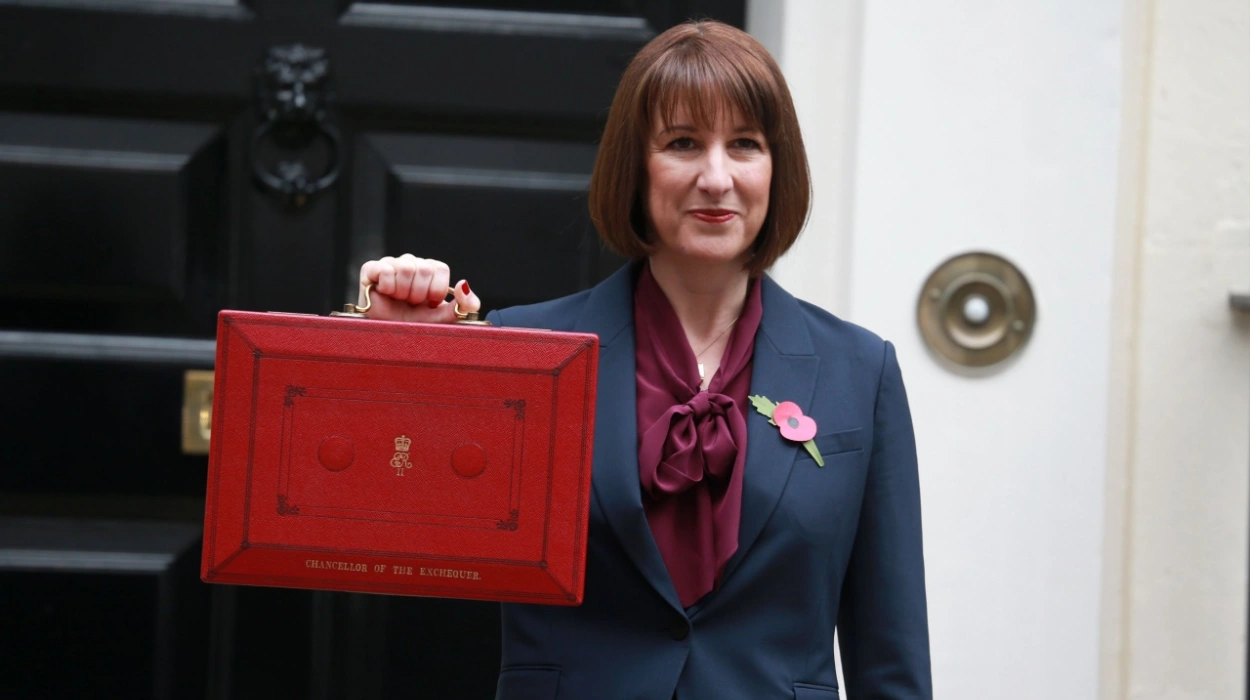
Rachel Reeves is the current UK Chancellor of the Exchequer and a senior Labour politician with a long background in economics, Parliament, and government policy. She was appointed Chancellor on 5 July 2024 and elected as MP for Leeds West and Pudsey in July 2024.
- Who is Rachel Reeves?
- What is Rachel Reeves’ background?
- How did Rachel Reeves build her political career?
- What does Rachel Reeves do as Chancellor?
- What is Rachel Reeves’ net worth?
- What is known about Rachel Reeves’ family and personal life?
- What are the latest updates on Rachel Reeves today?
- Why does Rachel Reeves matter in UK politics?
- How has Rachel Reeves’ career shaped her public image?
- What is the long-term significance of Rachel Reeves?
Who is Rachel Reeves?
Rachel Reeves is a British politician, economist, and the UK’s Chancellor of the Exchequer. She is the Labour MP for Leeds West and Pudsey, and she leads the Treasury’s work on growth, taxation, borrowing, spending, and economic policy.
Rachel Jane Reeves was born on 13 February 1979, making her one of the most prominent figures in British politics today. Her public career combines economics, parliamentary work, and cabinet-level responsibility, which gives her a central role in shaping the UK’s financial direction. The Chancellor of the Exchequer is the government’s chief financial minister, responsible for public spending, tax, borrowing, and economic stewardship. Reeves occupies one of the most powerful offices in the UK government because the post directly affects budgets, inflation policy, growth strategy, and market confidence.
What is Rachel Reeves’ background?
Rachel Reeves came from an economics-and-public-service background, studied at top universities, worked at the Bank of England, and entered Parliament in 2010. Her career path moved from technical economics into front-line politics and then into the Treasury’s top job.
Reeves studied Philosophy, Politics and Economics at the University of Oxford and later completed a master’s degree in economics at the London School of Economics. Before becoming a member of Parliament, she worked as an economist at the Bank of England from September 2000 to March 2006. That experience gave her direct exposure to monetary analysis, economic modelling, and policy institutions. Her shift from economics into politics made her one of the best-known Labour figures with a formal background in the discipline she now oversees at government level.
How did Rachel Reeves build her political career?
Rachel Reeves built her political career through Labour Party roles, committee work, and years of economic opposition work before becoming Chancellor in 2024. Her progression shows a steady move from MP to senior shadow minister and then to cabinet leadership.
She was first elected as the Member of Parliament for Leeds West in May 2010 and later represented Leeds West and Pudsey after boundary changes and the July 2024 election. In Parliament, she served on the Business, Energy and Industrial Strategy Committee as chair from January 2017 to April 2020. She then held shadow ministerial roles, including Shadow Secretary of State for Work and Pensions, Shadow Minister for the Cabinet Office and Chancellor of the Duchy of Lancaster, and eventually Shadow Chancellor from May 2021 to July 2024. These roles gave her direct experience with public spending, labour policy, and fiscal opposition work before entering government.
What does Rachel Reeves do as Chancellor?
As Chancellor, Rachel Reeves controls the UK Treasury’s central financial agenda, including growth policy, taxation, borrowing, public spending, and international economic representation. Her role sits at the core of government economic management.
The official Treasury role defines the Chancellor as responsible for growing the UK economy, raising revenue through taxation or borrowing, and controlling public spending. Reeves also oversees the annual Budget, the inflation remit, and liaison with the Governor of the Bank of England on monetary policy. Her responsibilities also include women in the economy, the gender pay gap, productivity, the National Wealth Fund, capital markets, economic security, and international economic affairs. In global institutions, she acts for the UK at the G7, G20, IMF, EBRD, and AIIB. That makes her one of the most visible ministers in Britain and a key figure for investors, businesses, public services, and households.
What is Rachel Reeves’ net worth?
Public web sources commonly estimate Rachel Reeves’ net worth at around $2 million as of 2025, based largely on salary and long-term public service earnings. This figure is an estimate, not an official government declaration.
One source reports her net worth at about $2 million and lists her salary as the UK Chancellor’s official pay level, which is publicly disclosed through standard political reporting. Another profile repeats the same estimate and connects her wealth to her political career and financial management. Because net worth figures for politicians are usually compiled by media outlets rather than published as audited personal balance sheets, the most reliable statement is that public estimates place her wealth in the low-million-dollar range. Her income is tied to senior public office, parliamentary pay, and earlier years of professional work.
What is known about Rachel Reeves’ family and personal life?
Rachel Reeves is married to Nicholas Joicey and has two children. Her public profile keeps family details limited, while her professional role remains the main focus of official information.
Available biographical sources identify her spouse as Nicholas Joicey and note that the couple has two children. Public profiles also state that she was born in London, United Kingdom, and is British by nationality. These biographical facts appear frequently in profile reporting because they help identify the person behind the political office. Her public life remains centered on economics, Treasury work, and constituency representation rather than private detail.
What are the latest updates on Rachel Reeves today?
The latest official updates show Rachel Reeves actively leading Treasury policy in May 2026, with announcements on growth, industry support, transport relief, consumer protection, and regional investment. She remains central to the government’s economic agenda.
Government announcements from 20–21 May 2026 show Reeves tied to measures on regional growth, savings on family days out, free bus travel for children, targeted food tariff cuts, financial services legislation, fuel cost protection, anti-profiteering powers, and support for chemicals and ceramics industries. The Treasury also highlighted a regional-growth focus at UKREiiF and a statement to Parliament from the Chancellor on 21 May 2026. These updates show that her role extends beyond headline fiscal policy into practical measures affecting households, industry, and investment. For current political readers, that makes Reeves a major figure in ongoing debates about living costs, business confidence, and economic recovery.
Explore More about Politics:
Heidi Alexander Biography, Career, and Latest Political Moves
James Roscoe Biography: Age, Career, Life Story & Updates
Why does Rachel Reeves matter in UK politics?
Rachel Reeves matters because she shapes the UK’s fiscal direction, market expectations, and public-spending priorities at a time when economic policy affects every major sector. Her decisions influence taxes, investment, household costs, and growth strategy.
The Chancellor’s office has direct authority over the budget framework and the signals that financial markets use to judge government stability. Reeves also has responsibility for growth-related policy across skills, migration, labour markets, and productivity, which connects Treasury decisions to wider economic performance. Her background as an economist gives her public authority on inflation, borrowing, and financial governance. In practical terms, the role affects businesses planning investment, workers following wages and taxes, and families feeling the pressure of inflation and public-service funding.
How has Rachel Reeves’ career shaped her public image?
Rachel Reeves is widely seen as an economist-politician with serious technical credentials, long parliamentary experience, and a reputation built on economic competence. Her profile reflects both party leadership and institutional familiarity.
Her time at the Bank of England, combined with her Oxford and LSE education, gives her a policy profile that differs from many career politicians. Her years in opposition economics roles strengthened her reputation as a Labour strategist on fiscal questions before she entered office. Since becoming Chancellor in 2024, she has been linked to major national decisions rather than narrow constituency politics. That shift has made her one of the defining faces of the current UK government.
What is the long-term significance of Rachel Reeves?
Rachel Reeves represents a modern model of British economic leadership: technically trained, institutionally experienced, and positioned at the center of state finance. Her long-term significance depends on how her Treasury agenda affects growth, confidence, and public services.
Her career shows how expertise in economics can translate into political power when combined with parliamentary experience and party leadership. As Chancellor, she is responsible for decisions that shape the government’s fiscal reputation and economic credibility. That matters for long-term issues such as inflation management, infrastructure investment, industrial policy, and public borrowing. Her ongoing prominence in official government announcements shows that she remains a central actor in Britain’s economic story today.
Rachel Reeves is therefore best understood as both a biography subject and a live political figure, with a career that connects economics, Parliament, and national policy. Her current role, public responsibilities, and reported wealth make her a frequent search topic for readers following UK politics, government policy, and leadership profiles.