Key Points
- Chinese Foreign Minister Wang Yi called for stronger cooperation with the United Kingdom and urged creation of a fair, non-discriminatory business environment for Chinese companies operating in the UK
- Wang Yi co-chaired the 11th China-UK Strategic Dialogue in Beijing with British Foreign Secretary Yvette Cooper on recent dates in 2025-2026
- Wang Yi emphasized building on agreements reached during British Prime Minister Keir Starmer’s visit to China earlier in 2025
- Both ministers stressed strengthening communication and implementing understandings reached by the two countries’ leaders
- Wang Yi stated China and Britain, as permanent UN Security Council members, should uphold UN Charter principles and promote equitable global governance
- Yvette Cooper described the long-term strategic partnership between Britain and China as important to both countries
- Cooper stated an increasingly complex international environment makes dialogue and cooperation more necessary than ever
- The UK expressed preparedness to expand cooperation with China in trade, finance, energy, artificial intelligence, and climate change
- China is currently the UK’s fifth-largest trading partner
- Recent months have seen efforts by both sides to improve relations and strengthen economic engagement
- The dialogue focuses on delivering practical outcomes that contribute to global peace, stability, and development
- High-level exchanges between the two countries are being supported by both governments
Beijing (Britain Today News) June 2, 2026 – In a significant diplomatic development that signals renewed commitment to bilateral cooperation, Chinese Foreign Minister Wang Yi and British Foreign Secretary Yvette Cooper have jointly called for expanded strategic partnership and economic cooperation between China and the United Kingdom following the 11th China-UK Strategic Dialogue held in Beijing. The high-level meeting, co-chaired by both foreign ministers, produced comprehensive agreements on strengthening ties across multiple sectors including trade, finance, energy, artificial intelligence, and climate change, marking a pivotal moment in bilateral relations between the two nations.
- Key Points
- What Did Chinese Foreign Minister Wang Yi State About UK Cooperation?
- Why Did Yvette Cooper Emphasize the Importance of Strategic Partnership?
- How Does This Dialogue Build on Prime Minister Starmer’s China Visit?
- What Specific Sectors Are Priority Areas for Cooperation?
- What Role Do UN Security Council Memberships Play in This Partnership?
- How Does the Current International Environment Affect China-UK Relations?
- What Are the Implications for GlobalPeace and Development?
- What Next Steps Are Expected Following the Dialogue?
What Did Chinese Foreign Minister Wang Yi State About UK Cooperation?
Chinese Foreign Minister Wang Yi stated that Beijing has called for stronger cooperation with the United Kingdom and urged the creation of what he described as
“a fair and non-discriminatory business environment for Chinese companies operating in the UK.”
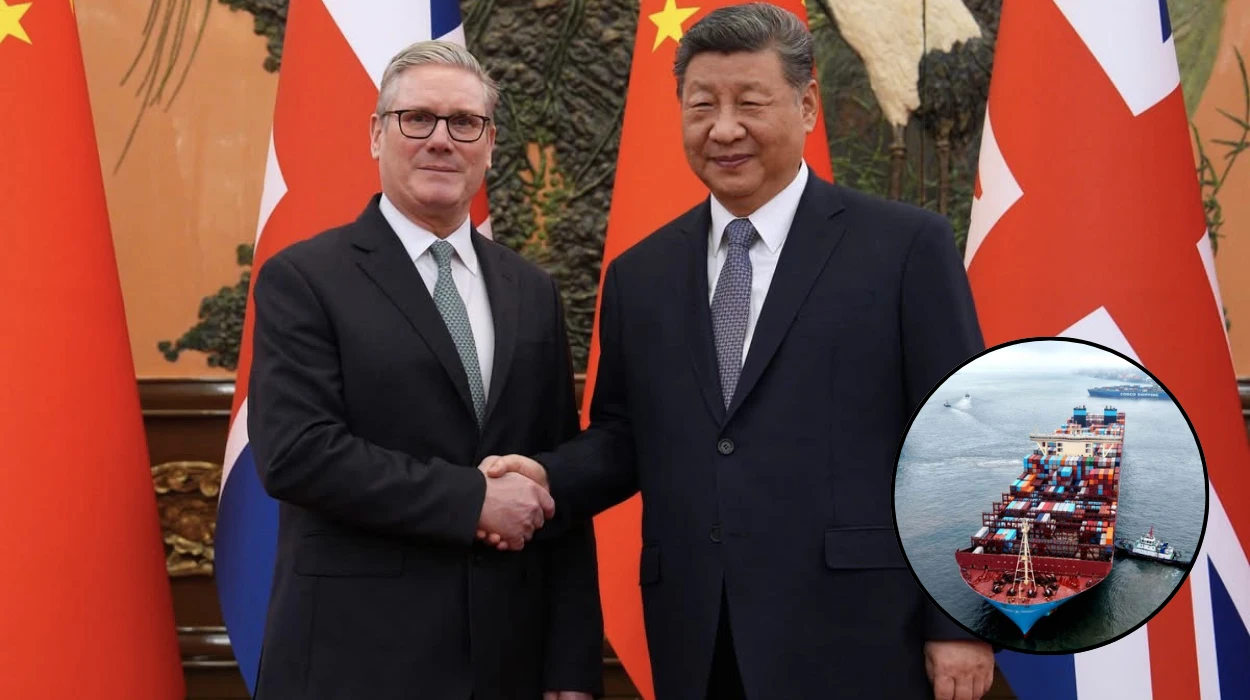
Speaking after co-chairing the 11th China-UK Strategic Dialogue in Beijing with British Foreign Secretary Yvette Cooper, Wang Yi emphasized that Beijing and London should build on agreements reached during British Prime Minister Keir Starmer’s visit to China earlier this year.
Wang Yi’s statements carried significant weight given China’s position as a global economic powerhouse and the UK’s fifth-largest trading partner. The Chinese Foreign Minister stressed the importance of strengthening communication and implementing the understandings reached by the leaders of the two countries, while supporting high-level exchanges and delivering practical outcomes that contribute to global peace, stability, and development. His emphasis on practical outcomes reflects Beijing’s growing focus on tangible results rather than purely diplomatic rhetoric in international relations.
The Chinese Foreign Minister added that China and Britain, both permanent members of the UN Security Council, should uphold the purposes and principles of the United Nations Charter and cooperate in promoting a more equitable and effective global governance system. This statement underscores the strategic importance both nations place on their roles in international institutions and their shared interest in reforming global governance structures to better reflect contemporary geopolitical realities.
Why Did Yvette Cooper Emphasize the Importance of Strategic Partnership?
British Foreign Secretary Yvette Cooper, in her remarks at the dialogue, described the long-term strategic partnership between Britain and China as important to both countries. Cooper said an increasingly complex international environment made dialogue and cooperation more necessary than ever. Her comments reflect the UK government’s recognition that global challenges require multilateral cooperation and that maintaining strong ties with major economies like China is essential for British interests.
Cooper’s statement about the increasingly complex international environment appears to reference multiple geopolitical challenges including ongoing conflicts, trade tensions, climate change urgency, and technological competition. The British Foreign Secretary’s emphasis on dialogue suggests the UK government’s commitment to maintaining open channels of communication even when disagreements exist on specific issues.
The British foreign secretary also said the UK was prepared to expand cooperation with China in areas including trade, finance, energy, artificial intelligence, and climate change. This comprehensive list of cooperation areas demonstrates the breadth of potential collaboration between the two nations and suggests that both governments see significant mutual benefits across diverse sectors. The inclusion of artificial intelligence is particularly noteworthy given the technology’s growing importance in global economic competition and national security considerations.
How Does This Dialogue Build on Prime Minister Starmer’s China Visit?
The 11th China-UK Strategic Dialogue represents a direct continuation of diplomatic momentum generated during British Prime Minister Keir Starmer’s visit to China earlier in 2025. Wang Yi specifically emphasized that Beijing and London should build on agreements reached during Starmer’s visit. This indicates that the Prime Minister’s trip produced concrete commitments that both sides are now working to implement through follow-up mechanisms like the Strategic Dialogue.
Prime Minister Starmer’s visit to China marked a significant moment in post-Brexit British foreign policy, representing the new Labour government’s approach to engaging with major global powers. The visit occurred in the context of efforts to reset and strengthen UK-China relations after periods of tension during previous administrations. Wang Yi’s reference to building on Starmer’s agreements suggests that the Prime Minister’s visit established a framework for cooperation that the Strategic Dialogue is now advancing through specific sectoral discussions.
The Strategic Dialogue mechanism itself represents an institutionalized channel for high-level communication between the two governments. The fact that this is the 11th iteration of the dialogue indicates a long-standing commitment to regular high-level engagement, even during periods when bilateral relations faced challenges. The continuation of this dialogue under the current leadership of both countries demonstrates mutual interest in maintaining diplomatic channels open.
What Specific Sectors Are Priority Areas for Cooperation?
The dialogue identified several key sectors as priority areas for expanded cooperation between China and the UK. The UK was prepared to expand cooperation with China in trade, finance, energy, artificial intelligence, and climate change. Each of these sectors represents significant economic opportunity and strategic importance for both nations.
Trade cooperation is particularly significant given that China is currently the UK’s fifth-largest trading partner. Recent months have seen efforts by both sides to improve relations and strengthen economic engagement, as noted in reports covering the dialogue. The trade relationship between the two countries has faced challenges in recent years, including disputes over various issues, making the commitment to strengthen economic engagement noteworthy.
Finance cooperation reflects the importance of both London and Shanghai as global financial centers. The UK’s financial services sector is a major component of its economy, and China’s financial markets continue to grow in importance globally. Cooperation in this area could involve regulatory alignment, market access, and financial infrastructure development.
Energy cooperation addresses both countries’ interests in energy security and the transition to cleaner energy sources. China is a major producer and consumer of energy, while the UK has significant offshore wind capacity and nuclear energy programs. Collaboration could involve technology sharing, investment, and joint development projects.
Artificial intelligence cooperation is particularly timely given the technology’s rapid development and strategic importance. Both China and the UK are investing heavily in AI research and development, and cooperation could involve research collaboration, standards development, and applications in various sectors.
Climate change cooperation reflects the urgent global need for action on environmental issues. Both China and the UK have made commitments to reduce carbon emissions and achieve net-zero targets, though with different timelines and approaches. Collaboration could involve technology transfer, financing for developing countries, and joint research on clean energy technologies.
What Role Do UN Security Council Memberships Play in This Partnership?
Wang Yi’s emphasis on China and Britain’s shared status as permanent members of the UN Security Council highlights the strategic dimension of their relationship beyond bilateral economic interests. As reported in coverage of the dialogue, Wang added that China and Britain, both permanent members of the UN Security Council, should uphold the purposes and principles of the United Nations Charter and cooperate in promoting a more equitable and effective global governance system.
This statement reflects the importance both nations place on their roles in international institutions and their shared interest in maintaining a rules-based international order, even as they may disagree on specific applications of that order. The permanent Security Council membership gives both countries veto power over substantive Security Council resolutions, making their cooperation particularly significant for international peace and security decisions.
The call for a more equitable and effective global governance system suggests both countries seeroom for reform in international institutions to better reflect contemporary power distributions and emerging challenges. This could involve discussions about Security Council reform, though such changes would be extremely difficult to achieve given the political complexities involved.
How Does the Current International Environment Affect China-UK Relations?
Yvette Cooper’s observation that an increasingly complex international environment makes dialogue and cooperation more necessary than ever reflects the broader geopolitical context in which China-UK relations are developing. The international environment has become more complex due to multiple factors including ongoing conflicts in Ukraine and the Middle East, great power competition, technological disruption, climate change impacts, and global economic uncertainties.
This complexity creates both challenges and opportunities for bilateral cooperation. On one hand, differences in approaches to various international issues could create friction. On the other hand, the complexity of global challenges makes cooperation more essential, as no single country can address issues like climate change, pandemics, or economic instability alone.
The dialogue’s focus on delivering practical outcomes that contribute to global peace, stability, and development suggests both countries recognize that their cooperation has implications beyond bilateral interests. This multilateral dimension adds weight to their partnership and justifies the investment in high-level diplomatic engagement.
Explore More about World:
AUKUS Pushes Forward with Unmanned Underwater Vehicle Program, Set for 2027
US Forces Act Against Ship Defying Iran Port Restrictions
What Are the Implications for GlobalPeace and Development?
Wang Yi’s statement that high-level exchanges should deliver practical outcomes contributing to global peace, stability, and development underscores the broader significance of China-UK cooperation. As permanent UN Security Council members with significant economic weight, both countries’ actions have global implications. Their cooperation on issues like climate change, trade, and security can influence international outcomes far beyond their bilateral relationship.
The emphasis on practical outcomes reflects a pragmatic approach to diplomacy that prioritizes tangible results over symbolic gestures. This approach could serve as a model for other bilateral relationships and contribute to more effective multilateral cooperation.
The dialogue’s outcomes could influence global governance, economic cooperation, and efforts to address shared challenges. Given China’s position as the UK’s fifth-largest trading partner and the UK’s role as a major financial and technological center, their cooperation could have ripple effects throughout the global economy and international system.
What Next Steps Are Expected Following the Dialogue?
The dialogue established frameworks for continued engagement, with both sides committed to implementing agreements and strengthening communication. High-level exchanges are being supported by both governments, suggesting that follow-up meetings and sectoral working groups will continue the work begun at this dialogue.
The focus on implementing understandings reached by leaders suggests that specific working groups or task forces may be established to translate broad commitments into concrete actions. This implementation phase will be critical for determining whether the dialogue produces meaningful results or remains largely symbolic.
Recent months have seen efforts by both sides to improve relations and strengthen economic engagement, indicating that momentum is building toward more substantive cooperation. The success of these efforts will depend on sustained political commitment, practical problem-solving, and the ability to manage differences while advancing shared interests.
The 11th China-UK Strategic Dialogue represents a significant step in rebuilding and strengthening bilateral relations between two major global powers. While challenges remain, the commitment to dialogue, cooperation, and practical outcomes provides a foundation for continued engagement that could benefit both nations and contribute to global stability and development.