Key Points
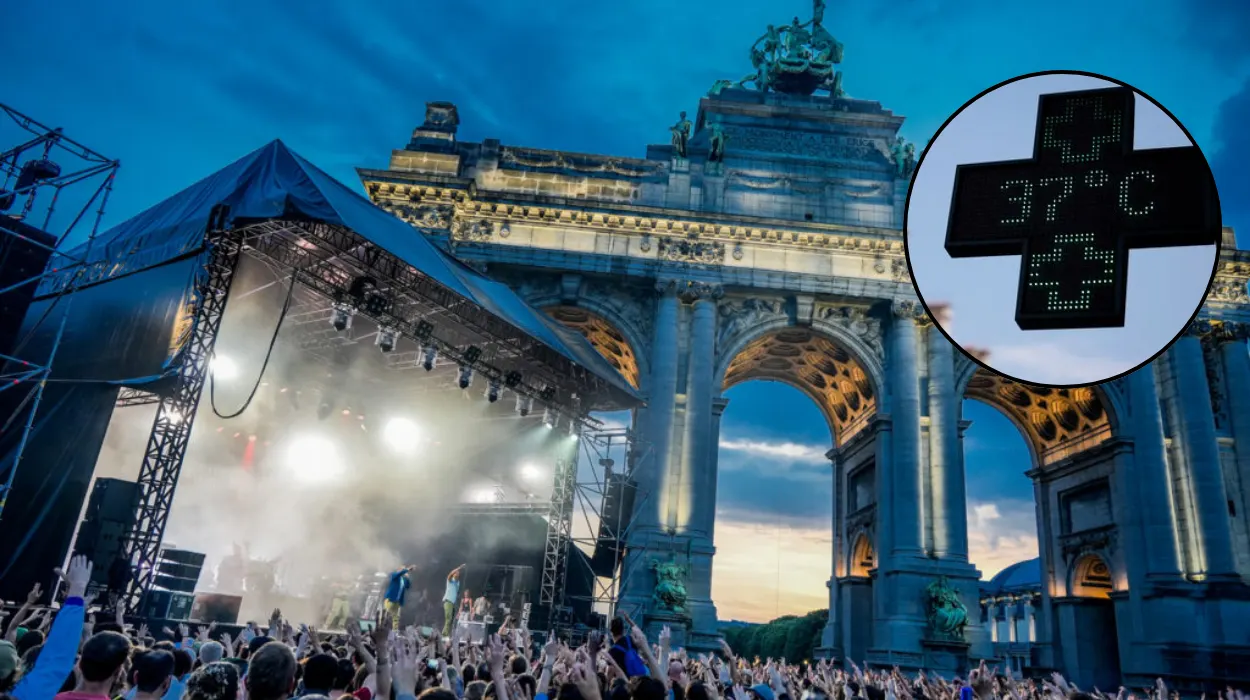
- France has announced a ban on alcohol consumption during the annual Fête de la Musique on June 21 in areas under red heatwave alert.
- The decision applies to departments placed under the highest weather warning level starting from noon on Sunday.
- Prefects in affected regions will issue decrees prohibiting alcohol consumption in public spaces.
- The directive follows a crisis meeting convened by Prime Minister Sébastien Lecornu.
- Authorities have also instructed that no alcohol be served at events organised by the state and its agencies.
- National weather agency Météo-France has warned of “very high temperatures” persisting across the country.
- A total of 35 departments, including Paris, are expected to be placed under red alert conditions.
- The move aims to protect public health and reduce risks associated with extreme heat during large gatherings.
Paris (Britain Today News) June 20, 2026 – France has announced sweeping restrictions on alcohol consumption during its widely celebrated Fête de la Musique festival, as the country braces for a severe and prolonged heatwave that has prompted the highest level of weather alert across dozens of regions.
- Key Points
- What prompted France to ban alcohol during Fête de la Musique?
- What measures are authorities taking to ensure public safety?
- Why is alcohol consumption particularly risky during heatwaves?
- What has been the public reaction to the announcement?
- What advice are authorities giving to the public?
- What happens next as the heatwave continues?
The French government confirmed on Saturday that alcohol consumption in public spaces will be banned in all departments placed under red heatwave alert beginning Sunday afternoon. The decision, taken during an emergency crisis meeting led by Prime Minister Sébastien Lecornu, marks an unprecedented intervention in one of the country’s most iconic cultural events.
Officials said the move was necessary to safeguard public health as temperatures are expected to soar to dangerous levels, particularly in densely populated urban areas hosting large crowds for the annual music celebrations.
What prompted France to ban alcohol during Fête de la Musique?
The decision stems from growing concerns over the health risks posed by extreme heat combined with alcohol consumption, particularly during outdoor mass gatherings. The Fête de la Musique, held every year on June 21, typically attracts millions of participants across France, with concerts, street performances, and celebrations extending late into the night.
In an official statement issued after the crisis meeting, the Prime Minister’s office said,
“Prefects will issue decrees banning alcohol consumption in public spaces in the departments under red alert.”
The statement further added,
“For all events organised by the state and its agencies, instructions have been given not to offer alcohol.”
Authorities fear that alcohol consumption could exacerbate dehydration, heatstroke, and other heat-related illnesses, particularly among vulnerable populations such as the elderly and young people attending crowded events.
How severe is the heatwave affecting France?
According to the national weather agency Météo-France, the country is experiencing a significant and sustained rise in temperatures, with conditions expected to worsen over the coming days.
In its latest update, the agency warned that
“very high temperatures are settling in for the long term across the country,”
highlighting the persistence and intensity of the heatwave.
A total of 35 departments have been placed under red alert—the highest level in France’s heat warning system—indicating extreme conditions that pose a serious risk to public health. Among these regions is the capital, Paris, where large-scale festivities are traditionally held.
Meteorologists have indicated that temperatures in some areas could exceed 40 degrees Celsius, significantly increasing the likelihood of heat-related emergencies.
What measures are authorities taking to ensure public safety?
In addition to banning alcohol consumption, French authorities have implemented a range of precautionary measures aimed at reducing the risks associated with the heatwave.
Local prefects, acting as representatives of the central government, have been tasked with enforcing the alcohol ban through official decrees. These measures will apply specifically to public spaces, where large crowds are expected to gather during the festival.
Emergency services have also been placed on high alert, with hospitals preparing for a potential surge in heat-related cases. Cooling centres may be opened in some municipalities, while public advisories urging residents to stay hydrated and avoid prolonged exposure to the sun have been widely disseminated.
Authorities are also encouraging event organisers to modify schedules, provide shaded areas, and ensure access to drinking water for attendees.
Why is alcohol consumption particularly risky during heatwaves?
Health experts have long warned about the dangers of consuming alcohol in high-temperature conditions. Alcohol acts as a diuretic, increasing fluid loss and contributing to dehydration, which can be particularly dangerous during a heatwave.
Moreover, alcohol can impair judgment, making individuals less likely to recognise symptoms of heat exhaustion or take necessary precautions such as seeking shade or drinking water.
The combination of alcohol, high temperatures, and crowded environments significantly raises the risk of medical emergencies, including heatstroke—a potentially life-threatening condition.
French authorities have emphasised that the temporary ban is a preventive measure designed to minimise these risks during an exceptionally hazardous period.
How unusual is this restriction for France?
The Fête de la Musique is one of France’s most cherished cultural events, celebrated annually since its inception in 1982. Known for its festive atmosphere and open participation, the event traditionally allows musicians of all levels to perform in public spaces, often accompanied by food and drink.
A nationwide ban on alcohol consumption during the festival is highly unusual and underscores the seriousness of the current heatwave.
While local restrictions have occasionally been imposed in the past for security or public order reasons, a measure of this scale—linked specifically to weather conditions—is rare.
The government’s decision reflects a broader trend of adapting public policies to address the growing frequency and intensity of extreme weather events linked to climate change.
Explore More about World:
Moroccan Researchers Win Top Honors at Innovation Week Awards 2026
ICC Prosecutor Karim Khan Suspended from British Bar Amid Sexual Misconduct Allegations
What has been the public reaction to the announcement?
Public reaction to the alcohol ban has been mixed, with some expressing disappointment over the restrictions on a traditionally festive occasion, while others have voiced support for measures prioritising health and safety.
Some festival-goers have taken to social media to question the necessity of the ban, arguing that individuals should be allowed to make their own choices. However, many health professionals and local officials have defended the decision as a responsible and necessary step.
Community leaders have also urged residents to view the measures as temporary and essential, emphasising the importance of collective action in the face of extreme weather conditions.
How does this decision fit into broader climate concerns?
France, like many European countries, has experienced increasingly frequent and severe heatwaves in recent years. Scientists attribute this trend to climate change, which has intensified weather extremes across the continent.
The current heatwave is part of a broader pattern that has seen record-breaking temperatures, prolonged droughts, and increased strain on public infrastructure.
Government officials have acknowledged that such conditions may become more common in the future, necessitating more proactive and adaptive measures to protect public health.
The decision to restrict alcohol consumption during a major public event highlights the growing intersection between climate policy and public safety measures.
What advice are authorities giving to the public?
In light of the extreme conditions, authorities have issued a series of recommendations aimed at helping individuals stay safe during the heatwave.
Residents and visitors are being advised to:
- Stay hydrated by drinking plenty of water.
- Avoid alcohol and caffeine, which can contribute to dehydration.
- Limit outdoor activities during the hottest parts of the day.
- Seek shade or air-conditioned environments whenever possible.
- Check on vulnerable individuals, including elderly neighbours and family members.
These guidelines are particularly relevant for those planning to participate in Fête de la Musique events, where prolonged exposure to heat and large crowds can increase risks.
What happens next as the heatwave continues?
Authorities will continue to monitor weather conditions closely, with further measures possible if temperatures remain dangerously high.
The red alert status may be extended or expanded to additional departments depending on how the situation evolves. Emergency services are expected to remain on high alert throughout the weekend and into the following week.
Officials have also indicated that they will assess the effectiveness of the current measures, including the alcohol ban, in mitigating health risks during large public gatherings.
The coming days will be critical in determining whether the combination of restrictions and public awareness efforts is sufficient to prevent widespread health emergencies.
France’s decision to ban alcohol consumption during the Fête de la Musique in regions under red heatwave alert represents a significant intervention aimed at protecting public health during an extreme weather event.
With temperatures expected to reach hazardous levels across much of the country, authorities have prioritised safety over tradition, implementing measures designed to reduce the risks associated with large gatherings in intense heat.
While the restrictions have sparked debate, they underscore the seriousness of the current situation and the challenges posed by increasingly frequent climate-related events.
As France navigates this period of extreme heat, the focus remains firmly on safeguarding lives while maintaining the spirit of one of its most beloved cultural celebrations.