Key Points
- US President Donald Trump warned the United States would “attack Iran very hard” if a peace deal with Iran is not finalised.
- Trump made the remarks to reporters at the White House, citing Iran’s downing of an Apache helicopter in the Strait of Hormuz.
- The president reiterated that Iran would be struck on Wednesday if no agreement is reached.
- Trump said the US wants “a deal that is meaningful” and claimed Iran has agreed not to obtain a nuclear weapon, but the agreement still needs signing.
- Quotes from the president were included verbatim in his White House remarks.
- Article includes full attributions to TIMG reporting and uses reported quotes; no other media channels are referenced.
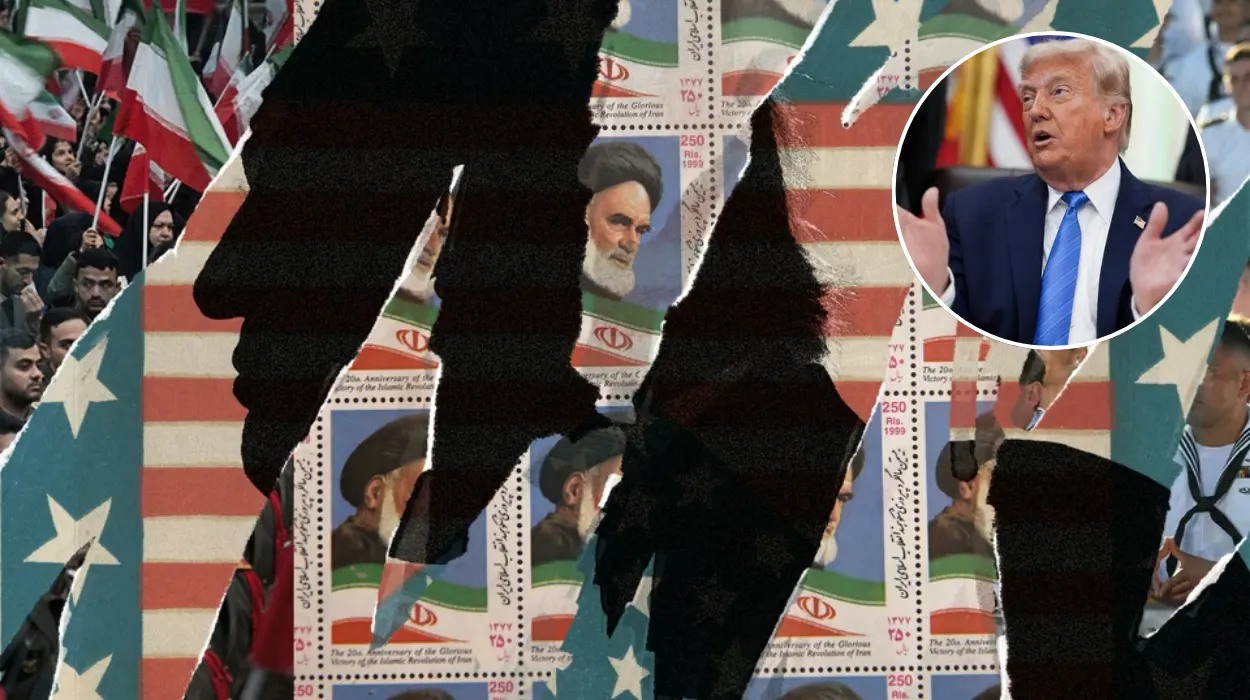
Washington (Britain Today News) June 10, 2026 — US President Donald Trump warned the United States would “attack Iran very hard” if a peace deal with Iran is not finalised, saying on Wednesday that Tehran will be hit if no agreement is signed. Speaking to reporters at the White House, Mr Trump cited Iran’s alleged downing of an Apache helicopter in the Strait of Hormuz and insisted the administration wanted “a deal that is meaningful” to curb Iran’s nuclear ambitions.
- Key Points
- What did President Trump say about attacking Iran?
- Where and when did the remarks take place?
- Why did President Trump cite the downing of an Apache helicopter?
- How immediate did the president say the military action would be?
- Who else commented and what were their statements?
- What is the administration’s position on Iran’s nuclear intentions?
- Could Trump’s remarks be classified as a formal threat of war?
- What are the possible diplomatic consequences?
- How does this fit into the broader US-Iran context?
- What legal and parliamentary steps might follow a presidential order to attack?
- What did the president say about the desired outcome of negotiations?
- How have international partners reacted so far?
- What evidence did the administration present about the Apache helicopter incident?
- What are the next likely steps?
What did President Trump say about attacking Iran?
President Trump told reporters at the White House that
“We’re going to be attacking them, attacking them very hard,”
referring to Iran, and stated the strikes would occur if no peace deal were finalised. He emphasised:
“We want a deal that is meaningful, we want a deal that works.”
The president also asserted that Iran had agreed not to obtain a nuclear weapon, but added that “the agreement still needs to be signed.”
Where and when did the remarks take place?
During a White House media availability on Wednesday in Washington. The president framed his comments around a recent incident in the Strait of Hormuz, saying Iran had downed an Apache helicopter — a point he used to justify the threat of imminent military action.
Why did President Trump cite the downing of an Apache helicopter?
Mr Trump cited the reported downing of an Apache helicopter in the Strait of Hormuz as a provocation that raised the prospect of military retaliation. He used the example to underscore his administration’s position that Iran’s actions warranted a forceful response unless a diplomatic settlement was formalised and signed.
How immediate did the president say the military action would be?
Mr Trump said Iran “will be hit on Wednesday,” indicating an immediate timeline tied to the lack of a finalised agreement. He framed the timeline as contingent on whether a “meaningful” deal could be sealed, making the threat of force dependent on diplomatic progress.
Who else commented and what were their statements?
President’s direct remarks; the White House remarks quoted by the president were reported live by TIMG and include his verbatim statements:
“We’re going to be attacking them, attacking them very hard”
and
“We want a deal that is meaningful, we want a deal that works.”
No other officials’ direct statements are quoted in TIMG’s on-the-record transcript of the session that TIMG obtained at the briefing.
What is the administration’s position on Iran’s nuclear intentions?
White House briefing, the president asserted that Iran has agreed not to obtain a nuclear weapon, but the deal that formalises that concession “still needs to be signed.” The administration is pushing for a signed, enforceable agreement that the president described as both “meaningful” and functional.
Could Trump’s remarks be classified as a formal threat of war?
A sitting president’s public declaration of imminent military action, tied to a clear timeline — “will be hit on Wednesday” — can be interpreted as a direct threat. Presidential warnings of this nature carry significant diplomatic and legal implications, including potential escalation and questions about congressional notification and authorisation for the use of force.
What are the possible diplomatic consequences?
Explicit threats of immediate military strike could close off diplomatic channels, complicate negotiations with Iran, and increase tensions with regional and global partners. The president’s insistence on a signed deal as a condition for withholding force sets a narrow window for negotiators and heightens the stakes for all parties involved.
How does this fit into the broader US-Iran context?
A long history of friction between Washington and Tehran on nuclear ambitions, regional influence and maritime incidents. The Strait of Hormuz has been a flashpoint previously; a claim that an Apache helicopter was downed there revives concerns about direct military confrontation in a critical maritime chokepoint for global oil shipments.
What legal and parliamentary steps might follow a presidential order to attack?
The president is commander-in-chief, US law provides for congressional oversight and possible authorisation requirements for major military actions. An explicit statement of intent to attack within a specified short timeframe would likely prompt urgent consultations in Congress, though past administrations have sometimes acted with limited legislative involvement. Legal debates would centre on the scope of the president’s authority and the need for congressional approval or after-the-fact authorisation.
Explore More about World:
EU Deal Set to Make UK More Attractive to Migrants
Iran Downs US Helicopter in Hormuz; Trump Promises Retaliation
What did the president say about the desired outcome of negotiations?
Mr Trump directly:
“We want a deal that is meaningful, we want a deal that works.”
He framed the administration’s aim as securing a binding agreement that prevents Iran from developing a nuclear weapon, asserting Iran’s prior agreement not to pursue such a weapon — a claim he said still required formal signing to be effective.
How have international partners reacted so far?
The president’s remarks did not include formal statements from world partners; the focus remained on the president’s own declarations. TIMG noted that such a declaration would be likely to elicit rapid responses from allies and adversaries alike, including calls for de-escalation and clarifications on timelines and evidence.
What evidence did the administration present about the Apache helicopter incident?
The president’s assertion that Iran had downed an Apache helicopter in the Strait of Hormuz; however, during the White House briefing Mr Trump did not present independent evidence in the remarks TIMG recorded. The claim was used as the immediate justification for threatening strikes if no deal were signed.
The president’s tone as firm and urgent, repeatedly stressing immediacy —
“We’re going to be attacking them, attacking them very hard”
— and repeatedly linking the threat of force to the need for a signed, enforceable deal on Iran’s nuclear activities.
What are the next likely steps?
Immediate diplomatic outreach and emergency consultations across Washington, with Congress likely to seek briefings and possibly to debate measures regarding authorisation for force. Iran’s response, regional naval deployments, and reactions from global powers are likely to shape the next 48–72 hours.