Key Points
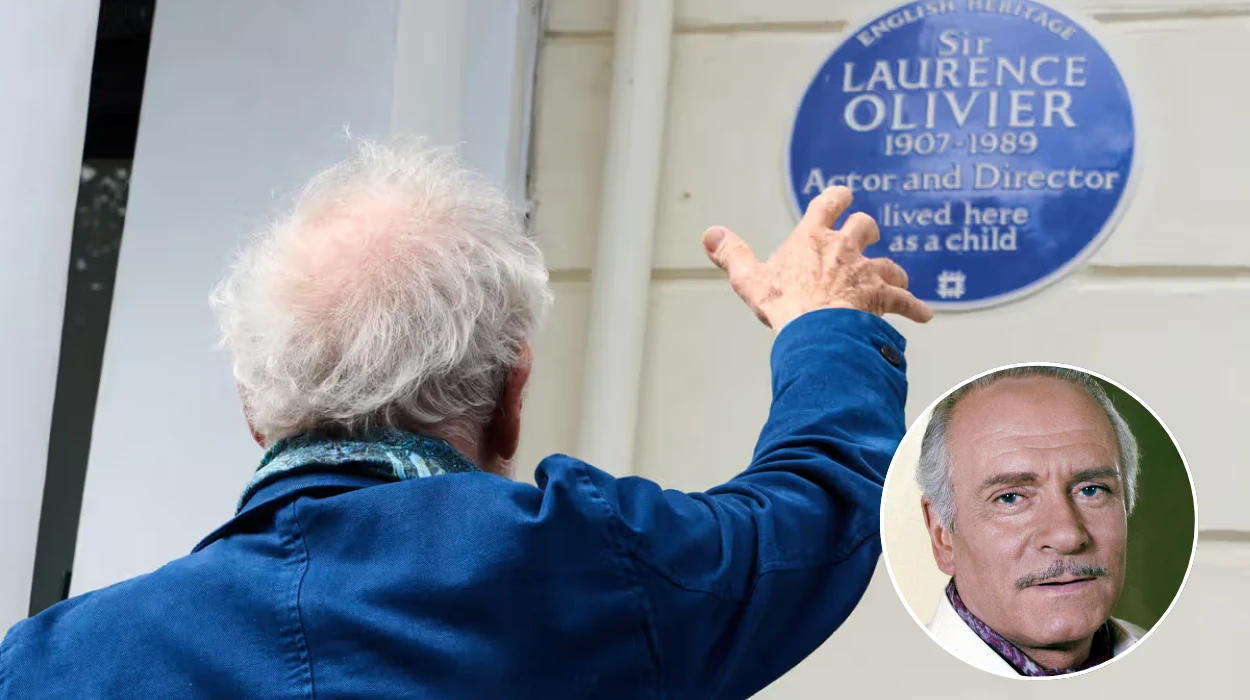
- Sir Laurence Olivier, Britain’s greatest ever stage actor, was honoured Wednesday with a blue plaque attached to his central London childhood home at 22 Lupus Street in Pimlico
- The plaque was unveiled by fellow actor Sir Ian McKellen, who praised Olivier as the “leader of our profession for so many years”
- Olivier lived at the property between ages 6 and 11, where he reportedly transformed a wooden box and blue curtains into a makeshift stage
- For his role as Hamlet in 1949, Olivier won his only Academy Award for Best Actor
- Olivier was venerated as a Shakespearean actor, playing iconic protagonists including Hamlet, Henry V, Macbeth, and controversially, Othello
- The actor campaigned for the establishment of the National Theatre, whose largest auditorium is now named after him
- The Olivier Awards, celebrating London’s theater scene, were named in his honour
- English Heritage senior historian Howard Spencer stated Olivier “transformed British theater and film through the brilliance, range and intensity of his performances”
- The London blue plaque program began more than 150 years ago in 1867, with more than 900 official plaques now in the capital
- Olivier died at age 82 in 1989, leaving behind famous screen roles in “Rebecca,” “Wuthering Heights,” “Marathon Man,” and “Sleuth”
London (Britain Today News) June 10, 2026 — Laurence Olivier, arguably Britain’s greatest ever stage actor, was honored Wednesday with a blue plaque attached to the central London property where he lived as a child. The unveiling ceremony at 22 Lupus Street in Pimlico marks the place where Olivier began acting as a child, with fellow actor Sir Ian McKellen serving as the official unveiler of the English Heritage commemorative plaque.
- Key Points
- Who Unveiled Laurence Olivier’s Blue Plaque and What Did They Say?
- Where Did Laurence Olivier Live as a Child and What Did He Do There?
- What Were Laurence Olivier’s Greatest Acting AchievementS?
- How Did Laurence Olivier Transform British Theater and Film?
- What Is the History of London’s Blue Plaque Programme?
- Why Is This Plaque Important for Actors and Theater Professionals?
- What Does English Heritage Say About Laurence Olivier’s Legacy?
- How Will This Plaque Impact Pimlico and Local Community?
- When Did Laurence Olivier Die and How Old Was He?
Who Unveiled Laurence Olivier’s Blue Plaque and What Did They Say?
Ian McKellen told The Associated Press after the unveiling:
“For those of us who were lucky enough to have seen him in the theater, it’s of course quite right that, because he was the leader of our profession for so many years, it’s appropriate that this should be put up.”
McKellen continued with profound optimism about Olivier’s lasting legacy, stating:
“Actors go out of fashion very quickly, but I’ve a feeling that this man’s name will never be forgotten, and because of this plaque.”
Sir Ian McKellen, himself a seven-time Olivier Award winner, described the late actor as “unique and legendary” during the ceremony. The choice of McKellen as unveiler proved particularly significant given his own storied career in Shakespearean performance and British theater.
Where Did Laurence Olivier Live as a Child and What Did He Do There?
Olivier lived at the property between the ages of 6 and 11, according to English Heritage. While there, he reportedly transformed a wooden box and blue curtains into a makeshift stage where he sang, danced, and acted for hours at a time. This childhood creativity foreshadowed what would become one of the most distinguished acting careers in British history.
The plaque at 22 Lupus Street in Pimlico specifically marks the place where Olivier began acting as a child, establishing the geographical starting point of his legendary journey. The central London location in Pimlico has remained relatively unchanged since Olivier’s childhood, preserving the historical context of his early artistic experiments.
What Were Laurence Olivier’s Greatest Acting AchievementS?
Olivier was venerated as a Shakespearean actor, playing many iconic protagonists in London including Hamlet, Henry V, Macbeth and, controversially, Othello. For his role as Hamlet, Olivier won his only Academy Award for best actor in 1949, according to multiple sources covering his career achievements.
Other famous screen roles include ones in “Rebecca,” “Wuthering Heights,” “Marathon Man” and “Sleuth,” demonstrating his remarkable range across different genres and eras of filmmaking. His Shakespearean adaptations, both as actor and director, became psychologically intense benchmarks for future performers.
London owes much to Olivier, who died at age 82 in 1989. His contributions extended beyond performance into institutional development of British theater.
How Did Laurence Olivier Transform British Theater and Film?
“Laurence Olivier transformed British theater and film through the brilliance, range and intensity of his performances,”
said English Heritage senior historian Howard Spencer, as reported by The Stage.
“The plaque celebrates the formative home where one of Britain’s greatest cultural figures first found his voice as an actor.”
He campaigned for the establishment of the National Theatre, a vision that materialized after his death. The building that now houses the theatre officially opened in 1976 and its largest auditorium is named after Olivier, ensuring his name remains integral to British theatrical infrastructure.
The Olivier Awards, which celebrate London’s theater scene, were named in his honor, creating a permanent annual recognition system for theatrical excellence that continues to define British theater standards.
What Is the History of London’s Blue Plaque Programme?
The London blue plaque program began more than 150 years ago, according to historical records. The plaques commemorate notable people who made London home at some point, with more than 900 official plaques now in the capital.
The first plaque commemorated the poet Lord Byron in 1867 but the house was later demolished, marking an unfortunate loss to the program’s physical heritage. The oldest surviving plaque commemorates France’s final emperor, Napoleon III, demonstrating the program’s embrace of international figures who lived in London.
English Heritage now manages the program, ensuring rigorous standards for selection and maintaining the historical integrity of each commemoration. The blue color specifically distinguishes London’s plaques from other commemorative systems worldwide.
Explore More about Entertainment:
Win Tickets to RAYE’s Live Concert in Montreux
British-Nigerian Singer Dies at 35 After London Stabbing Attack
Why Is This Plaque Important for Actors and Theater Professionals?
The unveiling ceremony attracted significant attention from theater professionals who recognized Olivier’s foundational role in British performing arts. McKellen’s presence underscored the connection between generations of Shakespearean actors, with Olivier having paved the way for performers like himself.
“For those of us who were lucky enough to have seen him in the theater,”
McKellen noted, emphasizing the personal impact Olivier had on contemporaries who witnessed his performances live. The plaque serves not merely as historical commemoration but as inspiration for current and future actors.
The appropriate timing of the unveiling—Wednesday, June 10, 2026—coincides with continued recognition of Olivier’s enduring influence on British cultural identity.
What Does English Heritage Say About Laurence Olivier’s Legacy?
English Heritage senior historian Howard Spencer provided the official organizational perspective on Olivier’s significance. Spencer’s statement emphasized both Olivier’s artistic transformation of British performance and the symbolic importance of commemorating his formative home.
“The plaque celebrates the formative home where one of Britain’s greatest cultural figures first found his voice as an actor,”
Spencer explained, highlighting how childhood environments can shape legendary careers. This perspective aligns with English Heritage’s broader mission of preserving locations connected to significant cultural figures.
The organization’s involvement ensures the plaque’s official status and historical accuracy, distinguishing it from unofficial memorials.
How Will This Plaque Impact Pimlico and Local Community?
The addition of Olivier’s plaque to 22 Lupus Street adds to Pimlico’s collection of historical commemorations, enhancing the area’s cultural tourism appeal. With more than 900 official plaques in the capital, each new addition contributes to London’s interconnected network of historical sites.
Local residents and visitors can now trace Olivier’s childhood journey through Pimlico, connecting the physical location with the legendary career that emerged from it. The plaque transforms an ordinary residential street into a point of cultural significance.
The central London location ensures accessibility for theater professionals, students, and tourists interested in British performing arts history.
McKellen’s prediction that “this man’s name will never be forgotten” proved particularly poignant, given Olivier’s continued presence in British cultural consciousness decades after his death. The quote captures both personal admiration and professional respect from one generation’s leader to another.
Spencer’s assessment that Olivier
“transformed British theater and film through the brilliance, range and intensity of his performances”
provides the authoritative historical perspective on Olivier’s artistic impact.
McKellen focusing on personal memory and enduring reputation, Spencer on artistic transformation and cultural significance.
When Did Laurence Olivier Die and How Old Was He?
Olivier died at age 82 in 1989, according to multiple sources covering his biographical details. His long life spanned from 1907 to 1989, encompassing nearly the entire twentieth century’s evolution of theater and film.
The 82 years he lived included his childhood at Lupus Street, his rise to international fame, his directorial achievements, and his institutional contributions to British theater. His death marked the end of an era but not the end of his influence.