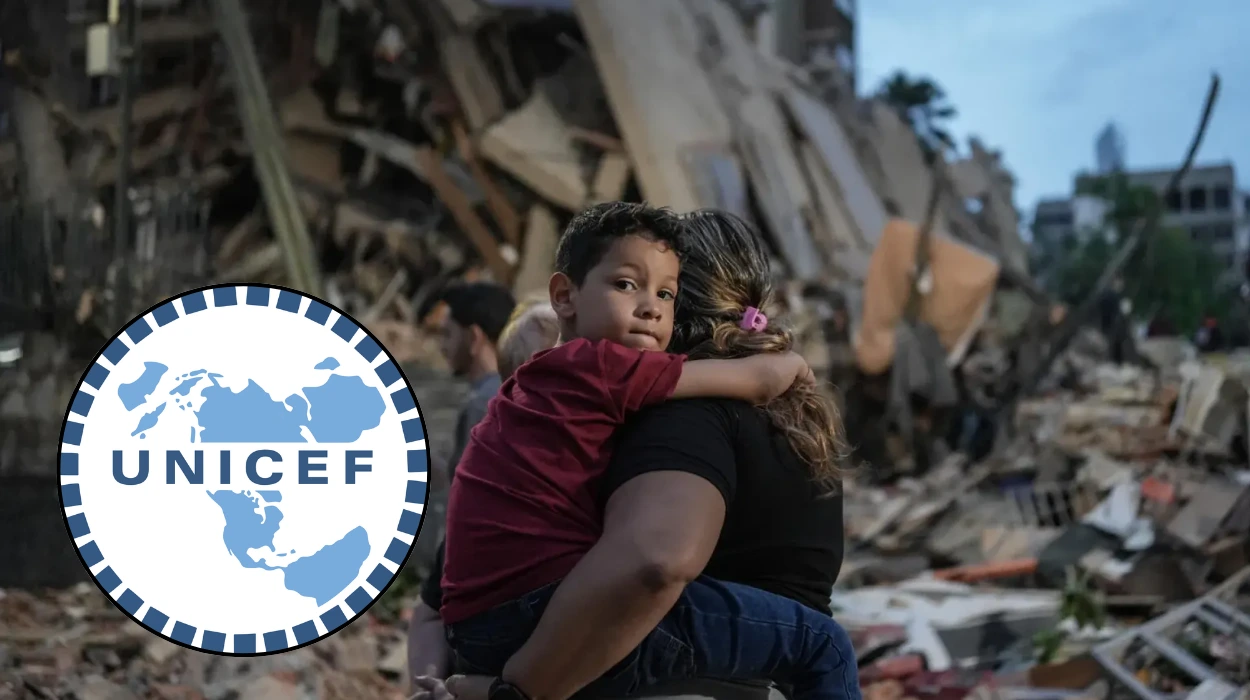
Key Points
- Two powerful earthquakes, measuring 7.5 and 7.2 magnitude, struck Venezuela on 24 June 2026, described as the country’s most significant seismic event in over a century.
- Initial reports indicate hundreds of people killed, thousands missing and thousands more injured.
- The hardest-hit areas include Caracas and the states of Aragua, Carabobo, Falcón, La Guaira and Miranda.
- Homes, hospitals and schools have collapsed, while water, electricity and telecommunications networks have been severely damaged.
- UNICEF estimates that 1.8 million people, including 680,000 children, now require humanitarian assistance.
- Children face heightened risks of separation from families, injury and psychological trauma in the aftermath of the disaster.
- UNICEF has delivered two emergency shipments of medical supplies, water and sanitation items, expected to support more than 100,000 people.
- UNICEF says US$52 million is required for its earthquake response, forming part of a wider US$137.6 million appeal for Venezuela in 2026.
- The organisation is calling on donors and the international community to provide flexible funding to reach the most vulnerable children.
Caracas (Britain Today News) July 01, 2026 – Two major earthquakes that struck Venezuela on 24 June 2026 have left thousands of children in urgent need of safe shelter, clean water and emergency medical care, according to the United Nations Children’s Fund (UNICEF). The organisation said that in the weeks following the disaster, children remain among the most vulnerable, at heightened risk of acute distress and injury as the essential services they depend on continue to buckle under the strain of the catastrophe.
- Key Points
- What Happened During the Venezuela Earthquakes?
- Where Were the Earthquakes Felt the Hardest?
- Why Are Children Especially Vulnerable After a Disaster of This Scale?
- What Immediate Physical Risks Do Children Face?
- What Do Affected Children Need Most Urgently?
- What Supplies Has UNICEF Delivered So Far?
- What Is UNICEF Asking of Donors and the International Community?
- What Happens Next in Venezuela’s Recovery Effort?
UNICEF confirmed it has scaled up its emergency response in the country, working alongside the Government of Venezuela and other humanitarian partners to reach affected children and families with healthcare, nutrition support, water and sanitation services, as well as psychosocial and protection care.
What Happened During the Venezuela Earthquakes?
According to UNICEF, the twin earthquakes, registering 7.5 and 7.2 in magnitude, shook Venezuela in what has been described as the country’s most significant seismic event in more than a hundred years. The organisation said initial reports indicate hundreds of people have been killed, with thousands more reported missing and thousands known to have sustained injuries.
The scale of the destruction has overwhelmed local authorities. Homes, hospitals and schools have been reduced to rubble in numerous communities, while critical infrastructure supporting water supply and electricity generation has been badly damaged or destroyed. UNICEF further noted that telecommunications networks have gone down across affected regions and transportation hubs have been forced to close, significantly complicating both response and assessment efforts on the ground.
Where Were the Earthquakes Felt the Hardest?
UNICEF identified the hardest-hit communities as those in Caracas, the capital, along with the states of Aragua, Carabobo, Falcón, La Guaira, Miranda and surrounding areas. These regions, some of the most densely populated in the country, have borne the brunt of the structural damage, with entire neighbourhoods left without functioning utilities or safe buildings in which to shelter.
How Many People Have Been Affected by the Disaster?
UNICEF estimates that 1.8 million people across Venezuela now require humanitarian assistance as a direct result of the earthquakes, of whom 680,000 are children. The organisation reported that hospitals in affected areas are operating well beyond their normal capacity, while water sources have become dangerously compromised, raising fears of secondary health crises such as waterborne disease. Buildings left standing in the disaster zone remain at serious risk of collapse, UNICEF warned, and thousands of families have lost everything they owned.
Why Are Children Especially Vulnerable After a Disaster of This Scale?
UNICEF stressed that children require urgent and specialised care in the aftermath of an earthquake of this magnitude.
“Children need urgent and specialised care after an earthquake strikes,”
the organisation stated, warning that in the hours and days that follow such a disaster, children risk being separated from their families or displaced from their homes, cutting them off from the protection and care they depend on. UNICEF also noted that many among the dead and wounded are parents or caregivers, leaving a growing number of children without immediate family support.
What Immediate Physical Risks Do Children Face?
Beyond the risk of separation, UNICEF said children are particularly vulnerable to serious injury in the aftermath of an earthquake, as they are generally less aware than adults of the environmental dangers and hazards that such an event can trigger. The organisation specifically pointed to falling objects, broken glass and the potential for fires as ongoing hazards facing children in the disaster zone in the days and weeks ahead.
How Does Acute Distress Affect Children Differently to Adults?
UNICEF explained that acute distress manifests differently in children than in adults.
“While many may seem okay in the month or so ahead, symptoms of trauma can appear after the numbness wears off,”
the organisation said. It added that this delayed emergence of trauma symptoms makes psychosocial support a critical component of the wider emergency response, rather than an optional extra to be addressed later.
What Do Affected Children Need Most Urgently?
According to UNICEF, the most pressing needs for children in the affected regions are medical care, including psychosocial support, safe drinking water and shelter. Beyond these immediate necessities, UNICEF said children also need protection services, such as family tracing and reunification programmes for those who have become separated from loved ones during the chaos of the disaster. The organisation further highlighted the importance of temporary learning spaces, where children can come together with friends and begin to regain a sense of safety and normality amid the disruption.
How Is UNICEF Responding to the Emergency?
UNICEF said its teams are already on the ground in Venezuela, working to support national efforts alongside other humanitarian partners in order to deliver critical care to children and their families. The organisation described its response as an ongoing and evolving operation, with staff working closely with government counterparts to identify and reach the communities in greatest need.
Explore More about World:
World Bank Drops 45% Climate Finance Target Amid US Pressure
Uncertainty Over Qatar Talks Clouds US-Iran Deal Outlook
What Supplies Has UNICEF Delivered So Far?
A first UNICEF air shipment of medical supplies, along with water and sanitation items, arrived in Valencia, Venezuela, on 27 June, having been dispatched from UNICEF’s regional warehouse in Panama. A second shipment followed shortly afterwards from UNICEF’s global supply hub in Copenhagen, carrying emergency health kits, water purification and storage supplies, wheelchairs, tents intended for child-friendly spaces, and recreational materials for children. UNICEF said that, together, the two shipments are expected to support more than 100,000 people. The organisation confirmed it intends to continue scaling up its emergency response, with plans to rush further aid and deploy additional staff to the region in the coming weeks.
How Much Funding Does UNICEF Need for the Response?
UNICEF has estimated that US$52 million is required specifically to respond to the earthquake emergency. This figure forms part of the organisation’s wider 2026 Humanitarian Action for Children appeal for Venezuela, which stands at US$137.6 million in total. UNICEF has not indicated how much of this broader appeal has so far been funded, but it described the earthquake response as an urgent addition to its existing humanitarian commitments in the country.
What Is UNICEF Asking of Donors and the International Community?
UNICEF issued a direct appeal to its partners, donors and the wider international community, calling for swift action through flexible funding arrangements.
“We’re asking our partners, donors and international community to act swiftly through flexible funding that helps us reach the most vulnerable children, at their most vulnerable moment,”
the organisation said, underlining that speed and flexibility in funding are essential to ensuring aid reaches those who need it most without delay.
What Happens Next in Venezuela’s Recovery Effort?
With telecommunications networks down and transportation hubs closed in several affected areas, humanitarian organisations including UNICEF face a challenging road ahead in fully assessing the scale of the damage and reaching every affected community. UNICEF’s stated priorities in the immediate term remain healthcare, nutrition, water and sanitation, alongside psychosocial and protection services for children who have been displaced, injured or separated from their families. The organisation has signalled that its response will continue to evolve as further assessments are carried out and additional needs are identified across the earthquake-affected regions of Caracas, Aragua, Carabobo, Falcón, La Guaira and Miranda.
As recovery efforts continue, the fate of hundreds of thousands of children across Venezuela is likely to remain closely tied to the pace and scale of the humanitarian response in the weeks and months ahead.