Key Points
- U.S. President Donald Trump is dispatching his Iran negotiating team to Pakistan, as announced by White House press secretary Karoline Leavitt on Wednesday.
- The team is led by Vice President JD Vance, with U.S. special envoy Steve Witkoff and Trump’s son-in-law Jared Kushner also participating.
- The first round of talks is scheduled for Saturday in Pakistan.
- Leavitt highlighted Vance’s significant and key role on Iran policy since the beginning.
- Conversations have taken place between top levels of the U.S. government and China regarding Iran.
Washington DC (Britain Today News) April 8, 2026 – In a significant diplomatic move, U.S. President Donald Trump is sending his Iran negotiating team to Pakistan, led by Vice President JD Vance, White House press secretary Karoline Leavitt announced on Wednesday. The delegation, which also includes U.S. special envoy Steve Witkoff and Trump’s son-in-law Jared Kushner, will engage in the first round of talks on Saturday. This development underscores escalating efforts to address Iran-related tensions through multilateral engagement, with prior discussions held at the highest levels between the U.S. government and China.
- Key Points
- Why Is Trump Sending a Negotiating Team to Pakistan?
- Who Leads the U.S. Iran Negotiating Team?
- What Roles Do Witkoff and Kushner Play?
- When Do the First Iran Talks Begin?
- What Is JD Vance’s Background on Iran Policy?
- Has the U.S. Consulted Other Powers on Iran?
- What Does This Mean for U.S.-Iran Relations?
- How Does Pakistan Fit into Iran Diplomacy?
- What Are the Potential Outcomes of These Talks?
- Who Is Karoline Leavitt and Her Statement’s Context?
- Why Involve China in U.S. Iran Discussions?
- What Challenges Face the Negotiating Team?
- How Has the White House Framed Vance’s Leadership?
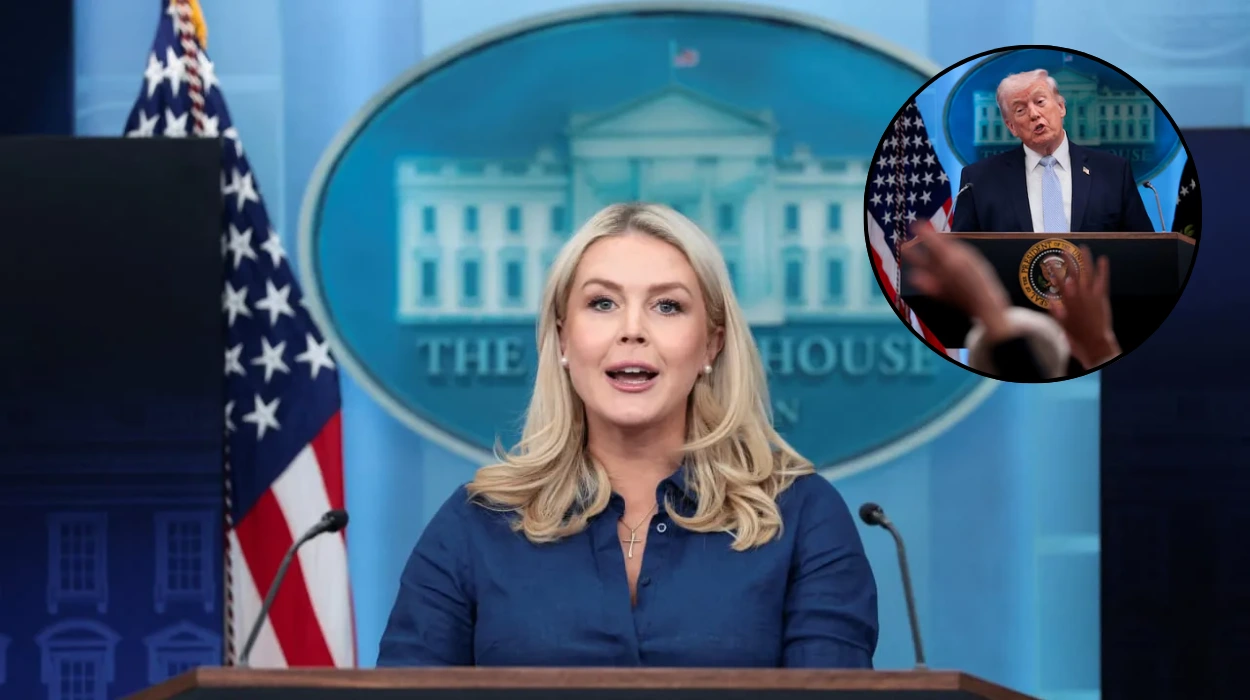
Leavitt emphasised Vance’s pivotal contributions to Iran strategy from the outset during her briefing with reporters.
“Vice President Vance has played a significant and key role on Iran since the beginning,”
she stated, highlighting his leadership in steering the administration’s approach.
Why Is Trump Sending a Negotiating Team to Pakistan?
The decision to dispatch the team to Pakistan marks a strategic choice of venue, leveraging Islamabad’s regional influence and historical ties in Middle Eastern diplomacy. As reported by staff writers at Taylorville Daily News in their world news coverage, Leavitt confirmed the trip directly to reporters, noting the Saturday timeline for initial discussions. This move comes amid heightened U.S. focus on Iran, where Vance’s involvement signals a hands-on approach from Trump’s inner circle.
Pakistan’s selection as host reflects its neutral stance in regional conflicts and its growing role as a mediator. Leavitt’s announcement did not specify the exact location within Pakistan or the counterparties, but the emphasis on swift talks suggests urgency in de-escalating potential flashpoints.
Who Leads the U.S. Iran Negotiating Team?
Vice President JD Vance heads the delegation, bringing his recognised expertise to the table. According to Leavitt’s remarks,
“Vance had played a significant and key role on Iran since the beginning.”
His leadership role extends beyond this mission, positioning him as a central figure in Trump’s foreign policy on the issue.
Joining Vance are U.S. special envoy Steve Witkoff, known for his diplomatic troubleshooting, and Jared Kushner, whose prior experience in Middle East negotiations during Trump’s first term adds continuity. Leavitt explicitly named these members when addressing reporters, underscoring their combined strengths.
What Roles Do Witkoff and Kushner Play?
Steve Witkoff serves as the U.S. special envoy, a position tailored for high-stakes talks. Jared Kushner, as Trump’s son-in-law and a trusted advisor, participated as part of the core team, Leavitt told reporters. Their inclusion blends fresh diplomatic mandates with proven negotiation tactics.
When Do the First Iran Talks Begin?
The inaugural round of discussions is set for Saturday, just days after Leavitt’s Wednesday announcement. This rapid scheduling, as detailed in the Taylorville Daily News article, indicates preparedness and momentum. No further details on the agenda were disclosed, but the timeline prioritises immediate engagement.
What Is JD Vance’s Background on Iran Policy?
Leavitt praised Vance’s longstanding involvement, stating he has been instrumental “since the beginning.” This assertion, from her direct quotes in the report, reflects his evolution from a vocal critic to a key architect of U.S. strategy. Vance’s tenure has seen him advocate for firm yet negotiable stances, aligning with Trump’s deal-making ethos.
His role extends to coordinating inter-agency efforts, making him a natural lead for this mission. Observers note his influence has shaped recent policy shifts, though specifics remain tied to Leavitt’s confirmation.
Has the U.S. Consulted Other Powers on Iran?
Yes, high-level conversations have occurred between top U.S. government officials and China. Leavitt disclosed this during her briefing, as reported by Taylorville Daily News staff.
“Conversations had taken place between top levels of the U.S. government and China,”
she said, hinting at broader coordination to manage Iran dynamics.
These exchanges suggest a layered diplomatic strategy, incorporating major powers to bolster talks’ legitimacy. China’s involvement, given its economic ties to Iran, could facilitate progress.
What Does This Mean for U.S.-Iran Relations?
The mission represents a proactive step under Trump’s administration, prioritising direct negotiation over escalation. Leavitt’s announcement frames it as a continuation of Vance-led initiatives, potentially opening channels long stalled. Success could reshape regional alliances, with Pakistan’s facilitation pivotal.
Critics may question the venue’s impartiality, but proponents see it as pragmatic. The team’s composition blends political loyalty with expertise, aiming for tangible outcomes.
How Does Pakistan Fit into Iran Diplomacy?
Pakistan’s geographic proximity and balanced relations position it ideally. Hosting talks elevates its diplomatic profile, as implicitly endorsed by the White House choice. Leavitt’s statement did not elaborate on Islamabad’s role, but the decision implies mutual agreement.
Historically, Pakistan has mediated in similar contexts, offering a neutral ground away from more polarised arenas.
What Are the Potential Outcomes of These Talks?
While agendas remain undisclosed, expectations centre on de-escalation and confidence-building measures. Leavitt’s emphasis on Vance’s role suggests ambitious goals, from sanctions relief discussions to security assurances. The Saturday start allows for quick assessments, with follow-ups likely.
Broader implications include stabilising energy markets and countering proliferation risks, given Iran’s nuclear programme.
Who Is Karoline Leavitt and Her Statement’s Context?
As White House press secretary, Leavitt delivered the announcement with precision. Her Wednesday remarks to reporters, captured verbatim in Taylorville Daily News, provided the mission’s blueprint: team members, leader, venue, and timeline.
“U.S. President Donald Trump is dispatching his Iran negotiating team, led by Vice President JD Vance, to Pakistan,”
she began, followed by details on Witkoff and Kushner.
Leavitt’s delivery maintained neutrality, focusing on facts amid intense media scrutiny.
Why Involve China in U.S. Iran Discussions?
The U.S.-China talks at top levels indicate recognition of Beijing’s leverage. Leavitt’s comment underscores multilateralism, potentially averting unilateral actions. This layer adds depth, ensuring global buy-in.
What Challenges Face the Negotiating Team?
Logistical hurdles, such as security in Pakistan, loom alongside substantive divides on Iran’s activities. Vance’s experience may mitigate these, but entrenched positions persist. Leavitt’s optimism, via her Vance praise, counters scepticism.
How Has the White House Framed Vance’s Leadership?
Repeatedly, Leavitt spotlighted Vance:
“significant and key role… since the beginning.”
The mission’s announcement reinforces this narrative, positioning Vance as diplomacy’s vanguard.
This development unfolds against a backdrop of global tensions, with Trump’s team pursuing dialogue. Further updates are anticipated post-Saturday talks.