Key Points
- The United States reimposed a naval blockade on Iran and widened its air campaign, striking targets across the country in retaliation for Iranian attacks on shipping in the Strait of Hormuz.
- Iranian officials said the strikes hit an army barracks belonging to the 388th Mechanized Infantry Brigade, killing at least seven troops and wounding more than 260 people nationwide.
- Iran’s Revolutionary Guard threatened to halt all energy exports from the Middle East, warning that oil and gas flows would be stopped “for everyone or for no one.”
- The interim ceasefire deal reached after the war began on 28 February, which included a 60-day negotiation window, has effectively collapsed as strikes intensify on both sides.
- US Central Command said it struck dozens of targets overnight and again during daylight hours, including Greater Tunb Island, a strategically located islet near the Strait of Hormuz.
- Bahrain, Kuwait and Jordan reported incoming Iranian missile fire, with Jordan confirming it intercepted three missiles; Iran claimed responsibility for attacks on all three countries.
- Iranian government spokesperson Fatemeh Mohajerani said more than 30 people have died in the latest round of violence, without providing a full breakdown.
- Health Ministry spokesperson Hossein Kermanpour said over 260 people were wounded in overnight strikes alone, the highest single-night figure of the conflict so far.
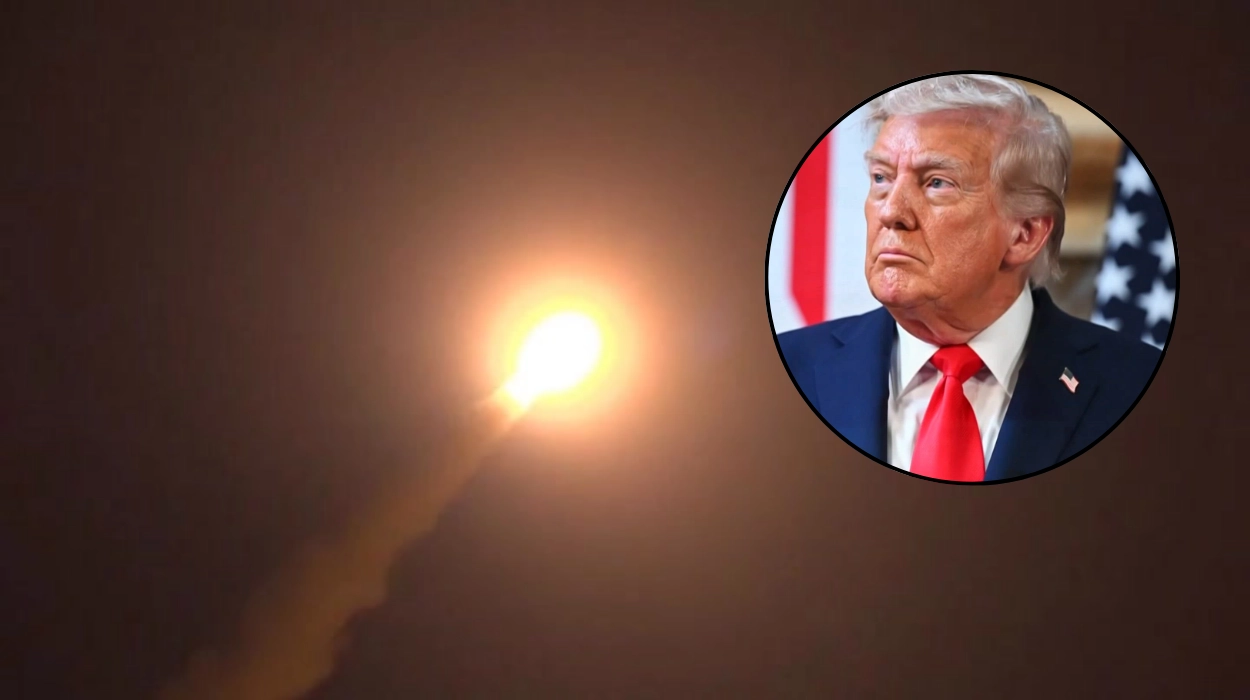
- The renewed fighting threatens to push oil, fertiliser and other commodity prices higher, creating political pressure on US President Donald Trump ahead of November’s congressional elections.
- Iran’s army vowed a “decisive response” to what it called American aggression, raising fears the region could slide back into full-scale war.
Dubai (Britain Today News) July 15, 2026 – The United States reimposed a naval blockade on Iran and sharply escalated its air campaign on Wednesday, striking dozens of sites across the country in response to Iranian attacks on vessels attempting to pass through the Strait of Hormuz. Iranian officials said the overnight and daytime strikes hit an army barracks in the country’s south-east, killing at least seven soldiers and wounding more than 260 people, while Tehran’s paramilitary Revolutionary Guard warned it could halt all Middle Eastern energy exports if the blockade was not lifted.
- Key Points
- What Triggered the Latest Round of US Strikes on Iran?
- Why Did Iran’s Revolutionary Guard Threaten to Halt Energy Exports?
- Why Is Greater Tunb Island Significant in the Strait of Hormuz Dispute?
- What Has Iran’s Military Said in Response to the Strikes?
- Which Other Countries Have Been Hit by Missile Fire This Week?
- What Has US Central Command Said About Iran’s Missile and Drone Attacks?
- What Does This Mean for Global Oil Prices and the Wider Region?
The rapid exchange of strikes across the Middle East, coupled with renewed threats to a waterway that underpins global energy supplies, has all but dismantled an interim agreement that had briefly paused hostilities between Washington and Tehran. Diplomats and analysts now warn the region risks tipping back into all-out war after weeks of fragile calm.
What Triggered the Latest Round of US Strikes on Iran?
The US first imposed a naval blockade on Iran in April before lifting it last month, following the signing of an interim deal that halted active combat and opened a 60-day window for negotiations on issues including Iran’s nuclear programme. Those talks have since stalled, and fighting around the Strait of Hormuz has grown sharper in recent days, prompting Washington to reinstate the blockade and intensify its bombing campaign.
The decision to strike again, according to the US military’s Central Command, was a direct response to Tehran’s attempts to disrupt shipping through the strait — a corridor through which a substantial share of the world‘s seaborne oil and gas passes daily.
Why Did Iran’s Revolutionary Guard Threaten to Halt Energy Exports?
In its strongest warning yet, Iran’s Revolutionary Guard said on Wednesday that it was prepared to stop all energy exports from the wider Middle East in retaliation for the reimposed blockade. In a statement, the force said:
“The export of oil and gas from the region will be either for everyone or for no one.”
The threat carries significant weight given Iran’s proximity to the Strait of Hormuz, through which tankers carrying crude oil, liquefied natural gas and refined products from across the Gulf must pass. Any move to obstruct the waterway would be felt well beyond the region, in fuel and fertiliser prices from Europe to Asia.
How Severe Was the Damage From the Overnight US Strikes?
Central Command said its forces struck dozens of targets overnight on Tuesday into Wednesday, before resuming attacks during daylight hours — an unusual escalation that officials said reflected the accelerating pace of the confrontation. Among the sites hit was Greater Tunb Island, which Central Command said had housed Iranian defence and missile installations.
Iranian state television reported that a separate strike hit a barracks used by the 388th Mechanized Infantry Brigade, a unit that operates tanks and armoured vehicles, in Sistan and Baluchestan province. According to the state broadcaster, American forces fired at least 13 missiles in that attack. The report said the seven troops killed included both conscripts and career soldiers, with a number of others wounded.
Why Is Greater Tunb Island Significant in the Strait of Hormuz Dispute?
Greater Tunb, along with Abu Musa and Lesser Tunb, has been controlled by Iran since 1971, when Tehran took the islands from what would later become the United Arab Emirates. The UAE has long sought their return, and the islands are widely viewed as holding outsized strategic value because of their position near the Strait of Hormuz.
Some regional analysts have suggested that control of the islands could allow a foreign power to exert greater influence over traffic through the strait, a factor believed to have shaped the US military’s decision to target defence and missile sites there this week.
How Many People Have Been Killed or Injured in the Latest Fighting?
Iranian government spokesperson Fatemeh Mohajerani said more than 30 people have been killed in the recent escalation, including those who died in the barracks strike, though she did not elaborate further on the breakdown of casualties.
Separately, Health Ministry spokesperson Hossein Kermanpour said more than 260 people were wounded in the overnight strikes alone — a toll he described as far higher than any other single night of violence recorded during the wider conflict. Kermanpour did not specify how many people had been killed in the overnight attacks specifically, distinguishing that figure from Mohajerani’s broader casualty count.
What Has Iran’s Military Said in Response to the Strikes?
Iran’s army said it would deliver what it called
“a decisive response to this aggressive action by the American enemy,”
according to state television. The statement did not detail what form such a response might take, but it followed a pattern of tit-for-tat strikes that have characterised the conflict in recent weeks.
The renewed rhetoric from Tehran’s military leadership has heightened concern among regional governments that the current cycle of retaliation could spiral further, particularly given the scale of Wednesday’s casualties compared with earlier rounds of fighting.
Which Other Countries Have Been Hit by Missile Fire This Week?
Missile alert sirens sounded across Bahrain and Kuwait early on Wednesday as both countries faced incoming Iranian fire, officials said, describing the alerts as a near-daily occurrence over the past several days. Jordan said its air defences shot down three Iranian missiles aimed at its territory.
Iran claimed responsibility for the attacks on all three nations, each of which hosts American military forces. The strikes on Gulf states beyond Iran and the US underline how the conflict has widened well past the two principal combatants, drawing in neighbouring countries that host US bases or infrastructure.
What Has US Central Command Said About Iran’s Missile and Drone Attacks?
US Navy Admiral Brad Cooper, who leads Central Command, said Iran had launched dozens of missiles and drones at neighbouring Gulf Arab states in recent days. Cooper’s statement did not provide a full damage assessment for those attacks but confirmed the scale of Iranian strikes against countries allied with Washington in the region.
Central Command’s account of the overnight and daytime strikes on Iranian territory, including the operation on Greater Tunb Island, points to a marked shift in the tempo and visibility of American military action compared with earlier phases of the conflict, when strikes were typically confined to nighttime hours.
Explore More about World:
North Carolina Backs CFTC Authority Over Prediction Markets in Key Regulatory Move
South Korea, US and Japan Diplomats Set Turkey Meeting on NATO Sidelines
What Does This Mean for Global Oil Prices and the Wider Region?
When the war between the US, Israel and Iran began on 28 February, Tehran effectively closed the Strait of Hormuz to shipping traffic, a move that sent oil, fertiliser and other commodity prices sharply higher well beyond the Middle East. That earlier closure gave Iran considerable leverage in subsequent negotiations, even as it inflicted economic pain on consumers worldwide.
The renewed threat to halt regional energy exports altogether raises the prospect of a fresh price shock. Rising energy costs pose a particular political challenge for President Trump and the Republican Party, which are seeking to retain control of Congress in November’s elections, even as Washington has struggled to durably reopen the waterway to normal shipping traffic.
Could the Conflict Escalate Into a Full Regional War?
With the interim ceasefire deal now largely unravelled, diplomats and regional observers are watching closely to see whether the current exchange of strikes can be contained or whether it will draw in additional countries. The involvement of Bahrain, Kuwait and Jordan this week, alongside Iran’s threat to halt all regional energy exports, suggests the conflict’s economic and military footprint is widening.
For now, both Washington and Tehran appear locked in an escalating cycle: US strikes aimed at degrading Iranian military capacity and reopening the Strait of Hormuz, and Iranian strikes and threats aimed at pressuring Gulf states hosting American forces and at using energy exports as leverage. Neither side has signalled a willingness to de-escalate, leaving the region on edge as the death toll and economic stakes continue to climb.