Key Points
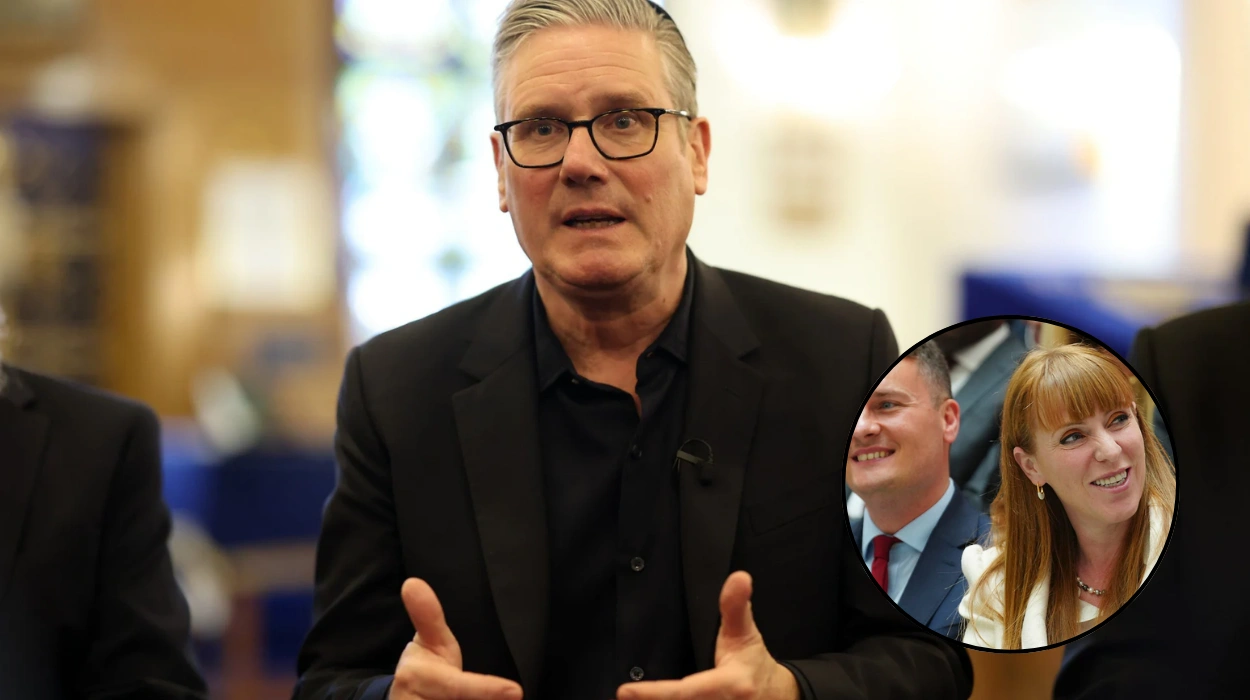
- MPs are expected to vote on Tuesday on whether to launch an inquiry into Keir Starmer over claims he misled Parliament about Peter Mandelson’s appointment as ambassador to Washington.
- Commons Speaker Lindsay Hoyle is expected to allow a debate on a motion that could refer the prime minister to the Privileges Committee.
- The Conservatives say Starmer misled MPs when he said “full due process” had been followed during Mandelson’s appointment.
- The row centres on claims that Mandelson was appointed despite vetting officials advising that he should be denied security clearance.
- Government whips are considering whether Labour MPs should be instructed to oppose the move, but some Labour MPs may not follow the whip.
- Deputy Prime Minister David Lammy has acknowledged there were “some time pressures” to confirm Mandelson because Donald Trump was returning to the White House.
- A separate concern is a memo from former cabinet secretary Simon Case, which opposition figures say suggested security vetting should be completed before the appointment.
- The issue has intensified pressure on Starmer, with the Conservatives arguing that knowingly misleading Parliament is a serious offence.
London (Britain Today News) April 27, 2026 – Keir Starmer is facing a Commons vote on whether MPs should launch an inquiry into his handling of Peter Mandelson’s appointment as ambassador to Washington, in a political confrontation that has widened into a test of the prime minister’s credibility and authority.
Why is Starmer facing a Commons vote?
The motion centres on claims that Starmer misled Parliament when he told MPs that “full due process” had been followed in the appointment of Mandelson, a peer and former British ambassador to the United States, despite later revelations about the handling of his security vetting.
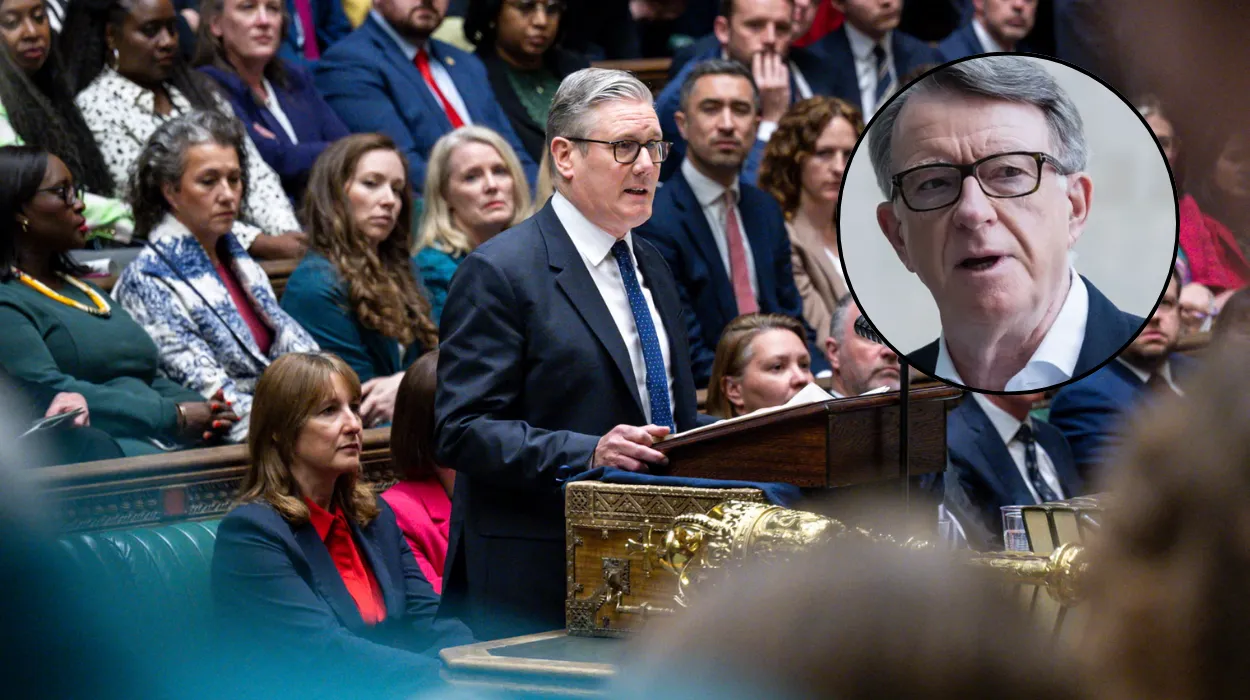
According to reports from the BBC and other outlets, the Conservatives are pushing for a debate and vote that could send the matter to the Privileges Committee, the Commons body responsible for investigating possible breaches of parliamentary rules. The Guardian reported that the Speaker, Lindsay Hoyle, was expected to grant the application for a debate, with MPs then likely to be asked to vote on whether the inquiry should proceed.
The dispute is not simply about one appointment. It has become a broader argument over whether the prime minister gave a misleading account to the House of Commons, and whether he was sufficiently open about the advice and pressures surrounding Mandelson’s posting.
What is the Mandelson row about?
At the heart of the controversy is the claim that Mandelson was installed as ambassador to Washington even though vetting officials had advised that he should be denied security clearance.
The Guardian reported that the foreign office overruled the original vetting decision, which has fuelled questions about how the appointment was handled and what Starmer knew at the time. Opposition parties have argued that the prime minister’s statement to MPs, in which he described the process as having followed “full due process”, may not have reflected the full picture.
Another strand in the controversy is a memo from Simon Case, the former cabinet secretary. According to reports, opposition figures believe the memo suggested Starmer should complete security vetting before announcing an appointment, although The Guardian said the note may instead have been intended to advise him to start the process.
The government has rejected the accusation that Starmer knowingly misled Parliament, saying he was referring to the information available to him at the time. That distinction is now central to the political and procedural battle unfolding in Westminster.
How serious are the allegations?
Knowingly misleading Parliament is treated as a serious matter in UK politics and can become a resigning issue for ministers.
The comparison drawing the most attention is Boris Johnson’s case in 2023, when a Privileges Committee investigation over Partygate contributed to his resignation as an MP. That precedent matters because the Conservatives are trying to show that the committee route is appropriate when there are claims that a prime minister may have misled the Commons.
Still, the government argues that Starmer’s remarks were not deceptive and that they should be judged against what he knew when he made them. The political consequences depend heavily on whether MPs accept that explanation or decide that the wording he used went further than his advisers say it should have done.
What role did David Lammy play?
Deputy Prime Minister David Lammy has added a new layer to the row by admitting there were “some time pressures” last January to confirm Mandelson because Donald Trump was returning to the White House.
Lammy told the Guardian that there was a sense it would be preferable to have an ambassador in place as Trump moved back into power in the United States. His remarks are politically significant because they suggest the appointment may have been accelerated for diplomatic reasons, even as questions remained over the vetting process.
At the same time, Downing Street has sought to narrow the meaning of Starmer’s remarks about pressure, saying he was referring to the security clearance process rather than the wider appointment itself. That explanation does not satisfy the Conservatives, who say there were wider attempts to present the appointment as properly handled.
Could Labour MPs break ranks?
The government is expected to whip Labour MPs to oppose the motion, which makes the Conservatives’ chances of success harder, but not impossible.
Because Labour holds a Commons majority, the opposition would likely need help from some Labour MPs who either vote against the government or abstain. That makes the vote a useful measure not only of Conservative pressure but also of internal Labour unease over the Mandelson affair.
The BBC reported that Labour figures are already criticising the push for an inquiry, with some arguing that other parliamentary bodies are already looking into the issue. That does not remove the threat, however, because the symbolism of a Commons vote on a possible probe into the prime minister himself is politically damaging even if the motion ultimately fails.
What happens next?
If Hoyle allows the debate and MPs vote as expected, the immediate question will be whether enough Labour MPs side with the opposition to force an investigation.
If the motion passes, the Privileges Committee could be asked to consider whether Starmer misled the House of Commons. If it fails, the government may still face more scrutiny as more documents and political statements emerge around the appointment process.
For Starmer, the issue is now about more than one ambassadorial appointment. It has become a wider test of trust, discipline and authority at a moment when the opposition is trying to turn a procedural Commons battle into a political judgement on the prime minister himself.
Why does this matter politically?
The timing matters because the row arrives as the government tries to defend its authority and keep control of the parliamentary agenda.
The appointment of Mandelson was always likely to attract scrutiny because of his profile and the sensitivity of the US ambassadorial post, especially as Donald Trump returned to the White House. Once vetting concerns became public, the story moved beyond personnel and into questions about ministerial standards, official advice and accountability to Parliament.
The Conservatives are using the issue to pressure a Labour government that is still consolidating power. Even if the inquiry is blocked, the affair is likely to remain a live controversy because the political damage comes not only from the vote itself but from the continuing suggestion that key facts were not properly disclosed.