Key Points
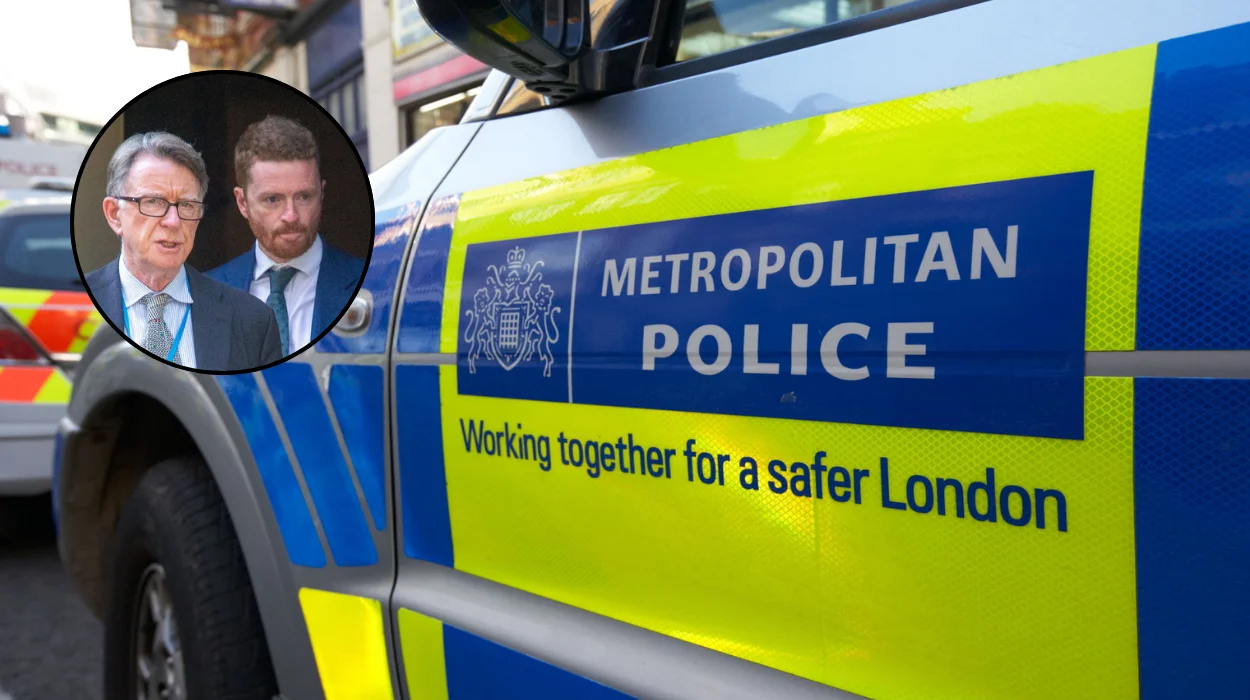
- Metropolitan Police reportedly “failed to investigate” or was “too busy” to probe the theft of Morgan McSweeney’s phone, stolen on October 20, 2025, in central London.
- The phone, snatched by a balaclava-wearing man on an e-bike, may have contained WhatsApp messages with key evidence on Mr McSweeney’s vetting of Lord Mandelson for US ambassador role.
- Lord Mandelson was sacked in September 2025 after US Justice Department files revealed his friendship with convicted paedophile Jeffrey Epstein.
- Mr McSweeney, Sir Keir Starmer’s former chief of staff, advised the Prime Minister to appoint Lord Mandelson despite internal vetting flags on Epstein links.
- Mr McSweeney reported the mugging immediately, alerted No 10’s security team to remotely shut off the phone due to high-level contacts, but messages to Lord Mandelson cannot be retrieved.
- Police confirmation of the theft on Sunday ended speculation and “cover-up” claims from opposition MPs, but questions persist over lack of detective interviews with Mr McSweeney.
- Ministers, including Housing Secretary Steve Reed, confirmed the theft predated Parliament’s order for Mandelson appointment files.
- Tories and Reform UK criticised No 10’s reluctance to provide proof; Reform leader Nigel Farage called it a “convenient theft.”
- WhatsApp messages can typically be backed up and recovered; Mr McSweeney was bound by guidance to record “significant government information” in official systems.
- Shadow Cabinet Office Minister Alex Burghart demanded full release of Mandelson-Epstein files and better record-keeping.
- MPs voted last month for a Tory motion forcing Downing Street to publish all files on Lord Mandelson’s appointment, including messages.
- Mr McSweeney has handed over accessible messages to the Cabinet Office.
London (Britain Today News) – March 24, 2026 – The Metropolitan Police has come under fire for allegedly failing to properly investigate the theft of a phone belonging to Morgan McSweeney, Sir Keir Starmer’s former chief of staff, amid a growing scandal over the vetting of Lord Mandelson for the US ambassador role.
- Key Points
- Why Did the Met Police Fail to Investigate McSweeney’s Phone Theft?
- What Evidence Might Have Been on the Stolen Phone?
- Was There a No 10 Cover-Up Over the Mandelson Appointment?
- Why Was Lord Mandelson Sacked as US Ambassador?
- What Questions Remain About McSweeney’s Record-Keeping?
- How Has the Government Responded to Opposition Criticism?
- What Broader Implications Does This Have for Government Transparency?
The device, stolen in a brazen central London mugging, could hold crucial WhatsApp messages shedding light on Mr McSweeney’s role in pushing through Lord Mandelson’s appointment despite red flags over the peer’s ties to Jeffrey Epstein. This development has reignited accusations of a No 10 “cover-up” from opposition politicians, even as ministers insist the theft was unrelated and reported months earlier.
Why Did the Met Police Fail to Investigate McSweeney’s Phone Theft?
As detailed in initial reporting by The Telegraph, the Metropolitan Police was reportedly “too busy” to conduct a thorough probe into the October 20, 2025, theft. Mr McSweeney described being mugged by a man in a balaclava riding an e-bike, who snatched the phone from his hand as he responded to texts while returning home from a restaurant. He gave chase but failed to catch the thief.
Scotland Yard detectives never spoke to Mr McSweeney about the incident, according to sources cited in The Telegraph’s coverage. The phone’s loss prompted an immediate alert to No 10’s security team, which remotely shut it off to protect high-level political contacts. However, this means any messages exchanged with Lord Mandelson are now irretrievable from the device itself.
The timing is particularly sensitive: the theft occurred just a month after Lord Mandelson’s sacking in September 2025. Fresh US Justice Department files had exposed the extent of his friendship with Epstein, the convicted paedophile financier. Despite internal vetting concerns, Mr McSweeney had advised Sir Keir Starmer to appoint the peer as US ambassador.
What Evidence Might Have Been on the Stolen Phone?
The stolen phone may have contained “key evidence” about Mr McSweeney’s vetting process for Lord Mandelson, as highlighted in The Telegraph’s March 22, 2026, article. WhatsApp messages on the device could reveal discussions on overriding Epstein-related flags during the appointment.
Last month, MPs backed a Tory motion compelling Downing Street to release all files on the appointment, including messages. The phone’s contents would have been central to this, but its loss complicates compliance. Mr McSweeney is understood to have surrendered all still-accessible messages to the Cabinet Office.
Government guidance, established under the previous Tory administration, mandates that special advisers like Mr McSweeney record “significant government information” – such as document submissions or decision records on messaging apps – into official systems for accountability. Questions linger over whether this was followed.
Was There a No 10 Cover-Up Over the Mandelson Appointment?
Claims of a “cover-up” have swirled for two days, fuelled by No 10’s initial reluctance to confirm the theft. Police verification on Sunday clarified the crime occurred well before Parliament’s document order, quelling some speculation from Tory and Reform UK MPs.
Housing Secretary Steve Reed addressed the issue directly, stating as reported by The Telegraph:
“That was a theft that was reported months before the whole Mandelson situation even began. His phone was stolen, he reported it at the time and it was well in advance of anything happening around the Mandelson situation.”
Yet opposition voices remain unconvinced. Reform UK leader Nigel Farage told The Telegraph:
“What a convenient theft for McSweeney. Does No 10 think the British public are complete idiots?”
The comment underscores persistent doubts about transparency.
Why Was Lord Mandelson Sacked as US Ambassador?
Lord Mandelson’s dismissal followed the emergence of US Justice Department files detailing his friendship with Jeffrey Epstein. As covered extensively by The Telegraph on February 10, 2026, Sir Keir Starmer was shown proof of these links. Internal vetting had flagged the concerns, but Mr McSweeney reportedly urged the appointment anyway.
A separate Telegraph piece on March 13, 2026, probed how Mandelson was vetted by his “disgraced friend,” highlighting the peer’s rapid downfall. The scandal prompted the parliamentary vote for full disclosure, amplifying scrutiny on No 10’s processes.
What Questions Remain About McSweeney’s Record-Keeping?
Despite the theft, recovery remains possible: WhatsApp messages are typically backed up online. Shadow Cabinet Office Minister Alex Burghart criticised the handling, saying as quoted in The Telegraph:
“Last week the Prime Minister refused to answer the most basic questions about what he did. This week No 10 is refusing to provide even the most basic verifiable details about his chief of staff’s phone. This whole business stinks from nose to tail.”
He added:
“The public is entitled to expect proper record-keeping and straight answers, not excuses. The Conservatives brought this issue to light, and we will continue to hold the Government to account until the Mandelson-Epstein files are fully released.”
Mr Burghart’s intervention reflects broader Tory demands for accountability. The party first raised the Mandelson vetting issues, leading to the motion for file publication.
How Has the Government Responded to Opposition Criticism?
Ministers have emphasised the theft’s timeline, predating the scandal. Steve Reed’s statement aimed to draw a line under cover-up allegations. No 10 confirmed Mr McSweeney’s prompt reporting and the security shutdown.
However, the lack of police follow-up – no detective interviews – fuels scepticism. Tories and Reform UK highlighted No 10’s delay in providing “concrete proof” of the theft until Sunday.
What Broader Implications Does This Have for Government Transparency?
This episode exposes tensions over digital record-keeping in high-stakes appointments. The guidance on capturing messaging data underscores expectations for traceability, especially in politically charged roles like US ambassador.
Opposition persistence ensures the Mandelson-Epstein files remain under spotlight. As Alex Burghart noted, demands for “straight answers” persist. The Met’s perceived inaction adds to perceptions of institutional foot-dragging.
Lord Mandelson’s sacking, Mr McSweeney’s advice, and the phone’s loss intertwine in a narrative testing public trust in No 10. With files due for release, further revelations could emerge from recoverable backups or Cabinet Office holdings.