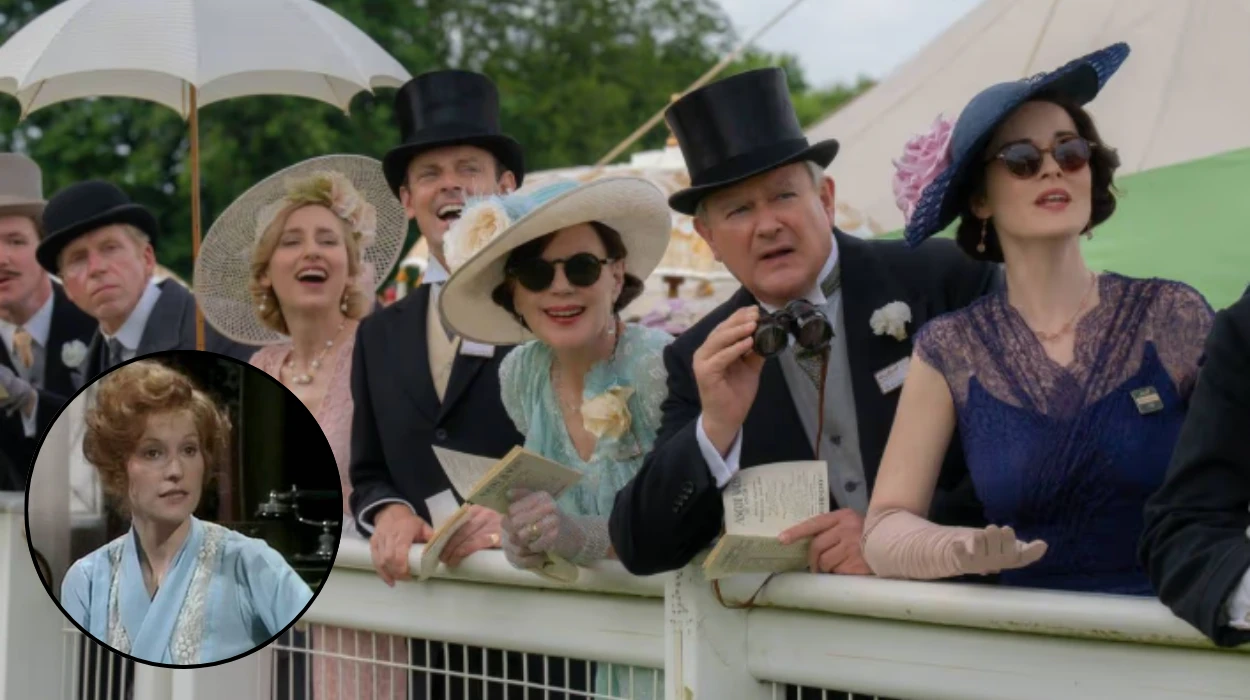
Key Points
- A classic 1970s ITV period drama, Upstairs, Downstairs, is now available to stream for free on ITVX.
- The show originally aired between October 10, 1971, and December 21, 1975.
- It spans 68 episodes across five series, set in a London townhouse at 165 Eaton Place.
- The drama chronicles the lives of the Bellamy family (‘upstairs’) and their servants (‘downstairs’).
- Set between 1903 and 1930, it explores key historical events including the First World War, the Suffragette movement, the Roaring Twenties, and the Wall Street Crash.
- Fans are comparing it favourably to Downton Abbey, with some claiming it is superior in writing and storytelling.
- Social media discussions, particularly on Reddit, have reignited interest in the show.
- Viewers praise its sociological depth, character development, and authentic portrayal of class divide.
- Critics and audiences alike regard it as one of the finest television dramas ever produced.
London (Britain Today News) June 20, 2026 – A renewed wave of appreciation is sweeping across television audiences as the classic ITV period drama Upstairs, Downstairs gains fresh attention following its availability for free streaming on ITVX, with fans widely praising it as a “masterpiece” and, in some cases, claiming it surpasses the globally acclaimed Downton Abbey.
- Key Points
- How Does Upstairs, Downstairs Compare to Downton Abbey?
- Why Is Upstairs, Downstairs Considered a Masterpiece?
- What Historical Events Does the Series Cover?
- What Are Fans Saying About the Show’s Quality?
- Is Modern Television Missing the Depth of Classic Dramas?
- How Did Upstairs, Downstairs Influence Future Period Dramas?
- Why Is the Show Gaining Popularity Again in 2026?
- What Makes the Show Relevant Today?
- Can Classic Television Compete With Modern Productions?
The resurgence of interest in the series, which originally aired from 1971 to 1975, has been largely driven by online discussions and streaming accessibility, introducing a new generation to a show long considered a benchmark in British television storytelling. Set in a London townhouse at 165 Eaton Place, the drama intricately portrays the intertwined lives of the aristocratic Bellamy family and their domestic staff, offering a layered exploration of class, society, and historical change.
How Does Upstairs, Downstairs Compare to Downton Abbey?
The comparison between Upstairs, Downstairs and Downton Abbey is not new, but it has intensified in recent weeks as viewers revisit the earlier series. While Downton Abbey, first broadcast in 2010, captivated global audiences with its polished production and sweeping narratives, many now argue that its predecessor laid the very foundation upon which such modern period dramas are built.
Upstairs, Downstairs follows a remarkably similar narrative structure, focusing on the dichotomy between the privileged lives of the Bellamy family and the struggles of their servants. However, what sets it apart, according to viewers, is its raw and unfiltered portrayal of social inequality.
A Reddit user, reflecting on the series, wrote:
“Upstairs, Downstairs (1971-1975) is a masterpiece.”
The user further elaborated,
“I know the filming style is jarring for people more used to the modern slick style, but once you get into it, you start to appreciate the writing and acting.”
Why Is Upstairs, Downstairs Considered a Masterpiece?
The enduring acclaim for Upstairs, Downstairs stems from its writing, character development, and its ability to reflect societal transformations. Unlike many contemporary dramas that prioritise visual spectacle, this series relies heavily on narrative depth and performance.
One viewer highlighted the sociological commentary embedded within the show, stating:
“What’s especially appealing is the sociological comment happening about how society mistreats the downstairs people, especially in the episode I Die of Love, which I won’t spoil, but is devastating and wouldn’t work if done in a Downton Abbey style.”
This emphasis on class disparity is central to the show’s identity. Through its characters, it examines the rigid social hierarchy of early 20th-century Britain, shedding light on both privilege and hardship.
What Historical Events Does the Series Cover?
Set between 1903 and 1930, Upstairs, Downstairs uses real historical events as a backdrop to its storytelling. The First World War plays a significant role, influencing both the aristocratic family and their staff, while also reflecting broader societal shifts.
The series also delves into the Suffragette movement, highlighting the fight for women’s rights, and portrays the exuberance and cultural shifts of the Roaring Twenties. Additionally, the Wall Street Crash is depicted as a turning point, symbolising the decline of the traditional British aristocracy.
These historical elements are not merely decorative but are woven into the lives of the characters, making the series both educational and emotionally engaging.
What Are Fans Saying About the Show’s Quality?
Audience reactions have been overwhelmingly positive, with many praising the show’s consistency and depth. A second viewer commented:
“One of the best TV series ever made, even when the cast changes, the quality does not. This is writing and filmmaking we do not get now.”
The same viewer added:
“Unlike modern TV, where everyone is handpicked for beauty or diversity, this is so well cast, especially the women. It makes me sad that this London has disappeared, except for the poverty, of course.”
Another fan echoed similar sentiments, stating:
“Upstairs, Downstairs is indeed a masterpiece! Yes, once you get past the look of the show, you’re in for a total treat. The same can be said of The Pallisers!”
These comments reflect a broader nostalgia for storytelling that prioritises substance over style.
Is Modern Television Missing the Depth of Classic Dramas?
The comparison between classic and modern television has sparked a wider debate about the evolution of storytelling in the industry. Some viewers argue that contemporary productions, despite their high budgets and visual sophistication, often lack the depth and authenticity found in older series.
One user expressed this sentiment candidly:
“I could never get through the first season of Downton Abbey, but I can watch Upstairs, Downstairs forever.”
Another added:
“I agree it is a masterpiece. I’m sitting here saying over and over ‘they don’t write like this anymore’ … I’m looking up whether it won awards, it looks like it did.”
Such statements underline a perception that modern television may prioritise aesthetics over narrative complexity.
How Did Upstairs, Downstairs Influence Future Period Dramas?
The influence of Upstairs, Downstairs on subsequent period dramas is undeniable. It established a template for exploring class dynamics through parallel narratives, a format later adopted and refined by shows like Downton Abbey.
By focusing equally on the lives of the elite and their servants, the series created a balanced narrative that resonated with audiences. This dual perspective allowed for a more comprehensive exploration of society, making it both relatable and thought-provoking.
Industry analysts often credit the show with pioneering the genre, setting standards that continue to shape television production today.
Why Is the Show Gaining Popularity Again in 2026?
The resurgence of Upstairs, Downstairs can largely be attributed to its availability on streaming platforms, particularly ITVX, where it is now accessible to a global audience free of charge. This accessibility has enabled younger viewers to discover the series for the first time.
Social media platforms, especially Reddit, have played a crucial role in amplifying its popularity. User-generated discussions and recommendations have created a ripple effect, encouraging more people to watch the show.
Additionally, the ongoing popularity of period dramas has created a fertile environment for revisiting classics, allowing Upstairs, Downstairs to find a new audience decades after its original broadcast.
Explore More about London:
Chinese spies jailed in London for running secret “shadow policing” operation in landmark espionage case
Ryanair Passengers Stranded Athens Mega Queue Flight Leaves 2026
What Makes the Show Relevant Today?
Despite being over five decades old, Upstairs, Downstairs remains relevant due to its exploration of themes that continue to resonate in modern society. Issues such as class inequality, gender roles, and social mobility are as pertinent today as they were in the early 20th century.
The show’s ability to humanise both the privileged and the working class allows viewers to engage with its characters on a deeper level. This emotional connection is a key factor in its enduring appeal.
Moreover, its historical accuracy provides valuable insights into a transformative period in British history, making it both entertaining and informative.
Can Classic Television Compete With Modern Productions?
The renewed interest in Upstairs, Downstairs raises an important question about the place of classic television in the modern media landscape. While contemporary productions benefit from advanced technology and larger budgets, classics like this demonstrate that compelling storytelling transcends time.
The series’ success suggests that audiences continue to value strong narratives and character-driven plots, even in an era dominated by visual effects and fast-paced storytelling.
Its resurgence also highlights the importance of preserving and promoting classic content, ensuring that it remains accessible to future generations.
The revival of Upstairs, Downstairs in public discourse underscores its status as a landmark in television history. As audiences rediscover the series through streaming platforms, its reputation as one of the greatest dramas ever made continues to grow.
While comparisons with Downton Abbey are inevitable, many viewers now see the earlier series not just as a precursor but as a superior example of storytelling. Its nuanced portrayal of class, its integration of historical events, and its deeply human characters have cemented its legacy.
In an industry constantly evolving, Upstairs, Downstairs stands as a reminder that true excellence in storytelling is timeless.