Key Points
- Twin earthquakes of magnitude 7.2 and 7.5 struck Venezuela’s La Guaira state on June 24, the strongest in over a century.
- Death toll has reached 4,829, according to National Assembly President Jorge Rodriguez.
- 16,740 people injured; 17,907 rendered homeless.
- 20,857 individuals are currently living in 106 temporary shelters.
- Infrastructure damage includes 856 affected buildings and 190 total structural collapses.
- Emergency crews have rescued 6,462 individuals from disaster zones.
- 1,284 aftershocks recorded, increasing risks and slowing recovery.
- UNICEF warns of a “major child-focused humanitarian emergency.”
- Catholic organisations world wide mobilising aid, including Caritas Venezuela and Catholic Relief Services.
- Over 13,050 metric tons of humanitarian aid distributed within 10 days of the disaster.
La Guaira (Britain Today News) July 16, 2026 – Venezuela’s humanitarian crisis has deepened as the death toll from the devastating twin earthquakes continues to climb, nearing 5,000, while rescue teams, international agencies, and religious organisations intensify efforts to support survivors and rebuild shattered communities.
- Key Points
- What caused the devastating earthquakes in Venezuela?
- How severe is the human toll from the disaster?
- What damage has been reported to infrastructure?
- Why are aftershocks complicating recovery efforts?
- How are vulnerable groups being affected?
- What humanitarian aid has been delivered so far?
- How are international organisations supporting relief efforts?
- What role is the Catholic Church playing in relief operations?
- What support has come from Europe?
- How are donations being managed and distributed?
- What challenges remain in the recovery process?
- What does the future hold for rebuilding Venezuela?
- How has the global community responded to the crisis?
- Why is this disaster considered unprecedented for Venezuela?
What caused the devastating earthquakes in Venezuela?
The twin earthquakes struck the northern coastal state of La Guaira on the evening of June 24, measuring 7.2 and 7.5 in magnitude. These were the most powerful seismic events recorded in Venezuela in more than a century, triggering widespread destruction across densely populated urban zones.
According to official data released by National Assembly President Jorge Rodriguez, the scale of destruction reflects both the intensity of the quakes and the vulnerability of infrastructure in the affected areas.
Rodriguez stated,
“The figures confirm the magnitude of this tragedy, with 4,829 lives lost and thousands more affected.”
Seismologists have since recorded 1,284 aftershocks, further destabilising already weakened structures and hampering rescue and recovery operations.
How severe is the human toll from the disaster?
The human impact has been catastrophic. Government figures confirm:
- 4,829 fatalities
- 16,740 injuries
- 17,907 people left homeless
Additionally, 20,857 individuals are currently seeking refuge in 106 temporary camps established across the region.
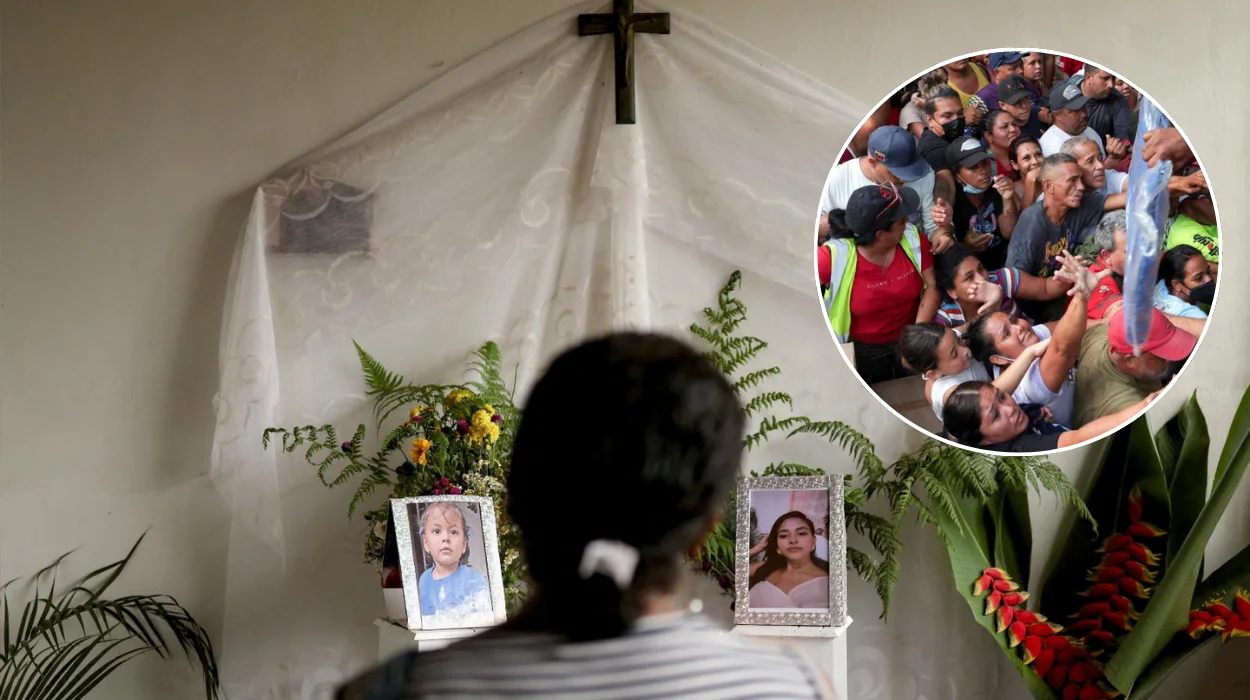
Emergency response teams have managed to rescue 6,462 people from collapsed buildings and debris fields, offering a rare source of hope amid the devastation.
However, aid workers warn that the numbers may rise as search operations continue in heavily damaged zones.
What damage has been reported to infrastructure?
The earthquakes caused extensive structural damage across La Guaira and neighbouring areas.
Authorities report:
- 856 buildings affected
- 190 structures completely collapsed
Eyewitness accounts describe entire neighbourhoods reduced to rubble, with residential blocks “pancaked onto themselves.”
Robyn Fieser, coordinating emergency communications on the ground, described the destruction, saying,
“There were literally blocks of buildings that were just pancaked onto themselves. There was massive destruction for blocks.”
She added,
“It looked a little bit like a war zone.”
Why are aftershocks complicating recovery efforts?
The ongoing aftershocks—numbering over 1,200—have created a persistent threat to both survivors and rescue workers.
According to a July 16 report by UNICEF, these tremors have:
- Increased the risk of further building collapses
- Delayed rescue missions
- Heightened psychological distress among survivors
UNICEF warned that the situation has evolved into “a major child-focused humanitarian emergency,” highlighting the vulnerability of children and families displaced by the disaster.
How are vulnerable groups being affected?
The impact of the earthquakes has disproportionately affected vulnerable populations, including:
- Children
- Pregnant women
- People with disabilities
UNICEF emphasised that damage to homes and schools has disrupted access to education, healthcare, and essential services.
The organisation noted that the crisis is not only physical but also psychological, with many survivors experiencing trauma following the disaster and repeated aftershocks.
What humanitarian aid has been delivered so far?
Humanitarian efforts have intensified both domestically and internationally.
Caritas Venezuela reported that within 10 days of the earthquakes, it distributed:
- 13,050 metric tons of aid
Breakdown of supplies:
- 5,612 tons of water
- 5,220 tons of food
- 1,305 tons of hygiene products
- 914 tons of clothing
These supplies have been distributed across the most severely affected areas, targeting displaced families and vulnerable communities.
How are international organisations supporting relief efforts?
Catholic Relief Services (CRS), the humanitarian agency of the U.S. Conference of Catholic Bishops, is playing a key role in the response.
CRS spokesperson Brittany Wichtendahl confirmed that the organisation is “working extremely closely” with local partners to ensure effective aid distribution.
Robyn Fieser, part of the CRS team on the ground, has also called for continued global attention, urging people to “keep Venezuelans in their hearts.”
What role is the Catholic Church playing in relief operations?
The Catholic Church has emerged as a central force in mobilising global humanitarian support.
The Latin American and Caribbean Episcopal Council (CELAM) launched a campaign titled “Tras el temblor, el amor” (“After the earthquake, love”), urging donations to support relief efforts.
The campaign includes regular updates on:
- Aid collection
- Distribution logistics
- Community outreach efforts
In Bolivia, Caritas has announced a nationwide collection scheduled for July 26, encouraging parishes to contribute food, medicine, and shelter support.
What support has come from Europe?
In Germany, Bishop Heiner Wilmer has called on Catholics to support Venezuelan victims through prayer and financial contributions.
In a July 16 statement, he said,
“We must not abandon the victims of the earthquakes and must help now.”
He added,
“Church partners on the ground can distribute aid supplies quickly and effectively; they also support the often severely traumatised people with psychosocial services.”
Wilmer also emphasised that reconstruction efforts will be long-term, stating, “Reconstruction will take years.”
How are donations being managed and distributed?
Donations from German parishes and individuals have already been received and distributed through Caritas Venezuela.
Bishop Wilmer noted,
“Through them, our aid reaches those in need directly.”
The structured distribution system ensures that resources are directed efficiently to:
- Temporary shelters
- Food distribution centres
- Medical facilities
This coordinated effort has helped mitigate some of the immediate humanitarian challenges, though needs remain immense.
What challenges remain in the recovery process?
Despite large-scale mobilisation, significant challenges persist:
- Continued aftershocks threatening safety
- Limited access to remote or heavily damaged areas
- Shortages of medical supplies
- Overcrowded shelters
- Psychological trauma among survivors
Aid organisations warn that while emergency relief is underway, the transition to long-term recovery will require sustained international support.
What does the future hold for rebuilding Venezuela?
Reconstruction is expected to take years, with experts highlighting the need for:
- Infrastructure redevelopment
- Housing reconstruction
- Strengthening of building codes
- Expanded disaster preparedness systems
Humanitarian agencies are also focusing on restoring education and healthcare services, particularly for children affected by the crisis.
The scale of destruction has underscored the importance of resilience planning in disaster-prone regions.
Explore More about World:
Iran Threatens to Halt Mideast Energy Exports Amid US Blockade
North Carolina Backs CFTC Authority Over Prediction Markets in Key Regulatory Move
How has the global community responded to the crisis?
The global response has been marked by solidarity and urgency, with governments, NGOs, and religious organisations contributing to relief efforts.
Fundraising campaigns, international donations, and coordinated aid delivery have helped provide immediate assistance to thousands of affected individuals.
However, officials stress that continued support is essential to sustain recovery operations and rebuild communities.
Why is this disaster considered unprecedented for Venezuela?
The June 24 earthquakes represent a historic event for Venezuela, both in terms of magnitude and impact.
As the strongest seismic activity in over a century, the disaster has:
- Exposed structural vulnerabilities
- Strained emergency response systems
- Triggered a nationwide humanitarian crisis
The scale of loss—both human and infrastructural—has positioned this among the most devastating natural disasters in the country’s history.
As Venezuela grapples with the aftermath of twin earthquakes that have claimed nearly 5,000 lives, the focus remains on rescue, relief, and recovery. While international aid continues to flow and emergency efforts persist, the road to rebuilding will be long and complex.
Voices from the ground, such as Robyn Fieser’s description of “massive destruction” and Bishop Wilmer’s call to “not abandon the victims,” highlight both the severity of the crisis and the global responsibility to respond.