Key Points
- Keir Starmer said there may be cases where some pro-Palestinian marches should be banned, while stressing he still supports the right to protest.
- He said chants such as “globalise the intifada” should face tougher action and described the phrase as racist and dangerous for Jewish people.
- His remarks came after two Jewish men were stabbed in Golders Green, north London, in an attack police treated as terrorism.
- A man was charged with attempted murder following the attack.
- Britain raised its terror threat level from substantial to severe, the second-highest level, meaning an attack is judged highly likely within six months.
- Metropolitan Police Commissioner Sir Mark Rowley said British Jews are facing their greatest ever threat and linked the rising danger to extremist hate and social media.
- The Community Security Trust recorded 3,700 antisemitic incidents in the UK in 2025, up from 1,662 in 2022.
- The government said the threat-level change was not due only to the Golders Green stabbing, but also to wider concern about Islamist and extreme right-wing threats from individuals and small groups based in the UK.
London (Britain Today News) May 2, 2026 – Britain’s Prime Minister Keir Starmer has called for tougher action against some slogans used at pro-Palestinian protests, saying repeated marches over the Gaza war may have helped create a “cumulative effect” that has contributed to rising antisemitism in the country.
What did Starmer say about Gaza protests?
Starmer said he would always defend the right to peaceful protest and free speech, but argued that this did not extend to chants he considered hateful or threatening. He specifically singled out the phrase “globalise the intifada”, saying there should be tougher action when people use it.
As reported by BBC journalist Chris Mason, Starmer said the phrase was racist and had left Jewish people feeling scared and intimidated. He also said the issue was not only about security but about society recognising Jewish suffering and responding more firmly to antisemitism.
Why is the government under pressure?
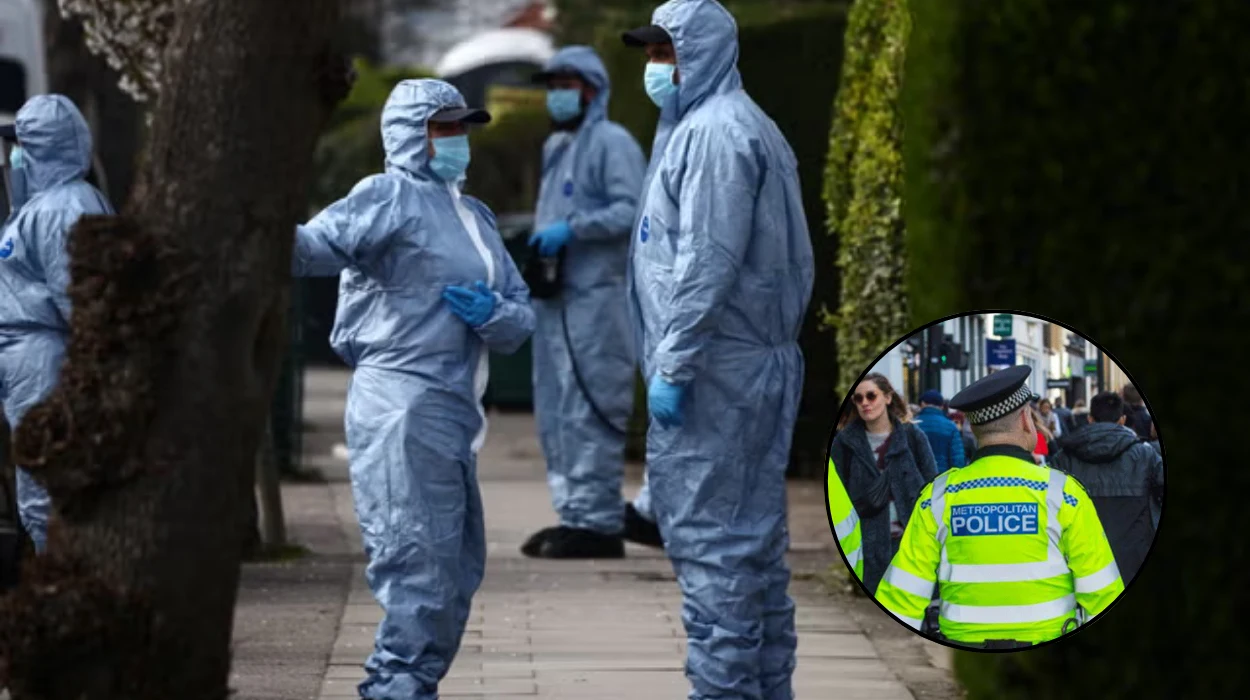
The Prime Minister’s comments came after a violent attack in Golders Green, a north London area with a large Jewish community, where two Jewish men were stabbed and wounded. Police treated the incident as terrorism, and a man was later charged with attempted murder.
The attack intensified concern across Britain because it came amid a wider series of antisemitic incidents, including arson attacks on synagogues and other Jewish sites in London. Starmer said the government would do everything in its power to eradicate hatred directed at Jewish communities.
What happened in Golders Green?
The stabbing took place on Wednesday in Golders Green, where two Jewish men were attacked and seriously injured. The victims were reported to be in stable condition after the assault.
Authorities said the attack was classified as an act of terrorism. The case has become central to the government’s wider response to antisemitism and public concerns about safety around places of worship and Jewish neighbourhoods.
Why was the terror threat raised?
Following the stabbing, Britain’s official terror threat level was increased from substantial to severe. Severe is the second-highest level on the UK’s five-point scale and means intelligence agencies consider an attack highly likely within the next six months.
The government said the increase was not based solely on the Golders Green attack. It also pointed to a broader rise in danger from Islamist and extreme right-wing terrorism involving individuals and small groups in the UK.
What did police leaders warn?
Metropolitan Police Commissioner Sir Mark Rowley warned that British Jews face their greatest ever threat.He said Jews were caught in a “ghastly Venn diagram” of hate from multiple extremist directions.
Rowley said social media has helped make antisemitism more mainstream and suggested that British Jews are now targeted by extremist groups across the spectrum. His warning added to the pressure on ministers to show stronger action on both hate crime and public-order policing.
How serious is antisemitism in the UK?
The Community Security Trust said it recorded 3,700 antisemitic incidents in the UK in 2025, up from 1,662 in 2022. The charity said antisemitic incident levels remain significantly higher than before 7 October 2023, when Hamas launched its attack on Israel and the Gaza war escalated.
CST also said it handled more than 6,700 reports in 2025 that required victim support, investigation, security advice or liaison with police and other authorities. It said this showed how broad the impact has been on Jewish communities and institutions across the country.
How have protests become part of the debate?
The row over Gaza-related demonstrations has become one of the most sensitive political issues in Britain. Starmer has insisted he supports peaceful protest, but his comments suggest he believes some slogans and repeated marches have crossed a line.
He also said there may be circumstances where protests should be stopped. That stance has placed him in the middle of a difficult balancing act between protecting free expression and reassuring Jewish communities that hate speech and intimidation will not be tolerated.
What happens next?
The government is now facing questions about whether existing protest laws, hate-crime enforcement and counter-terror measures are strong enough. Starmer’s remarks indicate that ministers may back closer scrutiny of protest slogans and, in some cases, the policing of demonstrations linked to the Gaza conflict.
Police and security officials are also expected to keep Jewish sites under close watch after the Golders Green attack and the threat-level rise. The debate is likely to continue as Britain tries to respond to rising antisemitic incidents while preserving the right to lawful protest.