Key Points
- The National Statistics Institute (INE) reported that in July 2026, prices for hotels and similar accommodation in Spain increased by 5.9% compared to the same month of the previous year.
- Spending in hotels in Spain rose 0.3% to over 44.8 million overnight stays during the same period.
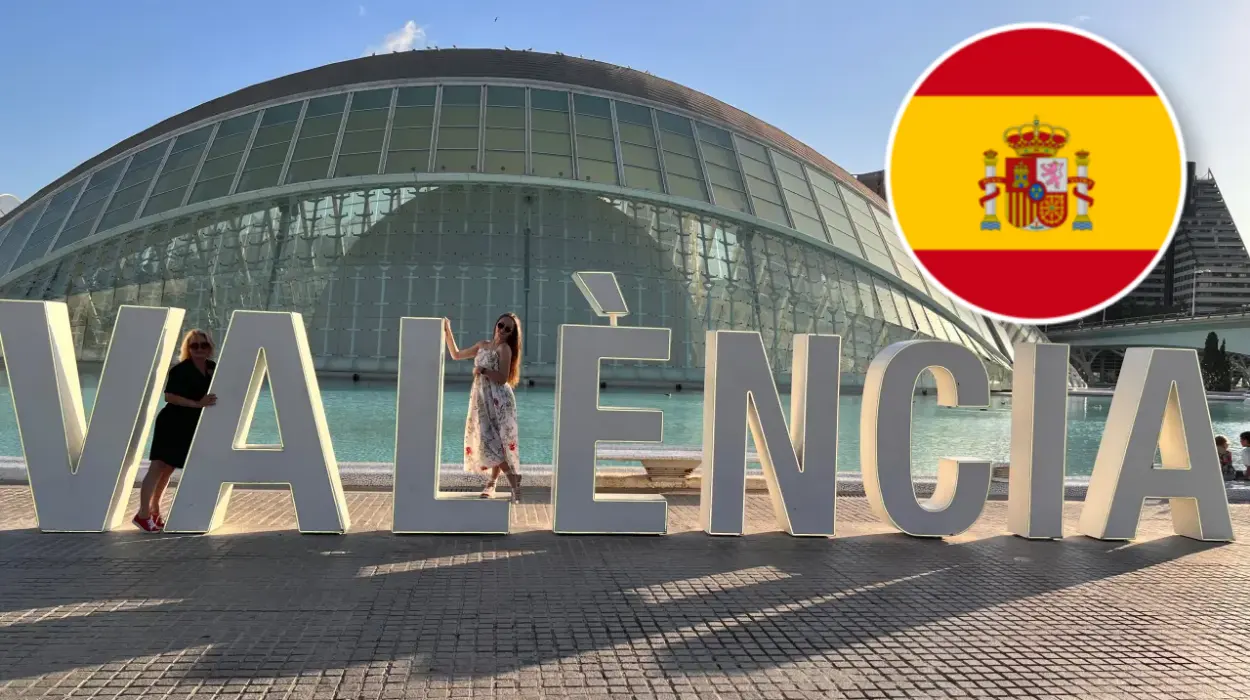
- The annual hotel price increase was the highest in the Community of Valencia at 9.8% compared to July of 2025.
- The Balearics recorded the highest levels of bed occupancy of any region in Spain, with Llucmajor also having the highest rate, at 95.9% overall and 97.9% at the weekends.
- In July, Mallorca had over 8 million nights of occupancy, which was the highest in Spain among all tourism areas.
- The average daily rate (ADR) climbed to €156.90 per occupied room, up 6.8%, while RevPAR rose 6.6% to €119.30.
- With an ADR of €416.20 and RevPAR of €339.40, Marbella was the most expensive hotel destination in Spain.
- Average RevPAR for five-star hotels of €249.10 was slightly lower than the average of €250.90 in July 2025, but the average occupied room cost of €339 was above that level.
- International visitors from the United Kingdom made up 25.8% of total foreign overnight stays, more than Germans (14.5%).
- Overnight stays by foreigners increased by 1.1% and those by residents of other countries increased by 1.1%, but domestic overnight stays decreased by 1.1% during July.
- Total overnight stays in Spanish Hotels grew by 1.5% during the first seven months of 2026 with respect to 2025.
Valencia (Britain Today News) August 22, 2026 — Hotel prices across Spain rose 5.9% in July 2026 compared with the same month last year, even as overnight stays increased by only 0.3%, according to figures published by Spain’s National Statistics Institute (INE). The data shows a summer market in which room rates climbed far faster than actual demand, with the Community of Valencia recording the steepest annual price increase of any Spanish region at 9.8%.
- Key Points
- Why Did Valencia Record Spain’s Biggest Hotel Price Increase?
- How Many Overnight Stays Did Spanish Hotels Record in July?
- Which Region Recorded Spain’s Highest Hotel Occupancy Rate?
- Which Individual Destinations Had the Highest Occupancy?
- Where Did Overnight Stays Concentrate Across Spain?
- Which Regions Attracted the Most International Hotel Guests?
- Where Did Domestic Travellers Choose to Stay?
- Which Countries Sent the Most Visitors to Spanish Hotels?
- Why Is Marbella Spain’s Most Expensive Hotel Destination?
- How Do Hotel Prices Compare Across Star Categories?
- What Do the July Figures Mean for Spain’s Wider Tourism Sector?
The INE figures, covering hotel establishments nationwide, show that Spanish hotels registered more than 44.8 million overnight stays during July. Within that total, stays by travellers resident in Spain fell 1.1% year-on-year, while overnight stays by international visitors rose 1.1%. Nationally, the Hotel Price Index increased 5.9%, reinforcing a pattern in which accommodation costs continued to climb during the peak summer season despite only modest growth in the number of hotel nights sold.
Why Did Valencia Record Spain’s Biggest Hotel Price Increase?
Among Spain’s regions, the Community of Valencia stood out for the scale of its hotel price growth. INE figures show hotel rates in the region rose 9.8% in July 2026 compared with July 2025, the largest annual increase recorded anywhere in the country. The rise outpaced the 5.9% national average by a wide margin, placing Valencia at the centre of this year’s summer pricing trend even as overnight stay growth nationally remained limited to 0.3%.
How Many Overnight Stays Did Spanish Hotels Record in July?
Spanish hotels logged more than 44.8 million overnight stays in July 2026, INE data shows. The overall figure rose just 0.3% year-on-year, a modest increase that masks divergent trends beneath it. Overnight stays by residents of Spain fell 1.1%, while stays generated by international travellers increased 1.1%. The figures indicate that while foreign demand held up, domestic travellers booked fewer hotel nights than in July of the previous year.
Which Region Recorded Spain’s Highest Hotel Occupancy Rate?
The Balearic Islands remained one of the country’s strongest-performing hotel markets in July, recording the highest bed occupancy rate in Spain at 87.4%. This compares with a national average occupancy rate of 71.1% for available hotel bed places, itself up 0.9% in July 2025. Weekend occupancy nationally stood at 74.4%, although this marked a 0.8% decline compared with the same weekends a year earlier.
Which Individual Destinations Had the Highest Occupancy?
Within the Balearic Islands, individual tourism areas performed even more strongly than the regional average. The Palma-Calvià tourism area recorded an occupancy rate of 89.8% in July, while Llucmajor registered the highest occupancy of any individual Spanish destination at 95.9%. Weekend occupancy in Llucmajor climbed further still, reaching 97.9%, according to INE’s destination-level breakdown.
Where Did Overnight Stays Concentrate Across Spain?
Mallorca recorded more than 8 million overnight stays in July 2026, the highest total of any tourism area in the country, INE figures show. At the level of individual destinations, Barcelona, Madrid and Calvià registered the largest numbers of overnight stays nationally, underlining the continued pulling power of Spain’s major urban and coastal hubs during the summer season.
Which Regions Attracted the Most International Hotel Guests?
The Balearic Islands were also the leading destination for overseas visitors in July, accounting for 33.4% of all overnight stays by non-residents, according to INE. Catalonia followed with 20.2% of international overnight stays, while the Canary Islands accounted for a further 18.6%. Together, these three regions captured the majority of foreign hotel demand recorded across Spain during the month.
Where Did Domestic Travellers Choose to Stay?
Spanish residents showed a markedly different pattern of behaviour to international visitors, INE’s regional data indicates. Andalusia received 24.7% of overnight stays generated by domestic travellers, the largest share of any region, followed by Catalonia with 14.2% and the Community of Valencia with 13.4%. The divergence between domestic and international preferences highlights how Spain’s coastal islands attract overseas holidaymakers disproportionately, while mainland regions retain a stronger hold on home travellers.
Which Countries Sent the Most Visitors to Spanish Hotels?
International demand in July continued to be dominated by Spain’s two largest European source markets, according to INE. Travellers from the United Kingdom generated 25.8% of all foreign overnight stays, comfortably the largest share of any nationality, while visitors from Germany accounted for 14.5%. France represented a further 7.9% of international overnight stays, followed by the Netherlands at 5.1% and the United States at 4.2%.
Why Is Marbella Spain’s Most Expensive Hotel Destination?
Higher nationwide hotel prices translated directly into stronger revenue figures during July, INE data shows. The average daily rate, or ADR, across Spanish hotels reached €156.90 per occupied room, an increase of 6.8% in July 2025. Revenue per available room, known as RevPAR, rose 6.6% to €119.30 over the same period.
Marbella, on Spain’s Costa del Sol, stood well above these national averages. The destination recorded Spain’s highest ADR at €416.20 per occupied room and the country’s highest RevPAR at €339.40, according to INE’s destination-level figures, cementing its position as the most expensive hotel market in Spain during the peak summer month.
Explore More about the World:
Norwegian, British and US Forces Conduct Arctic Training on Jan Mayen
PM Shehbaz Inaugurates Google Pakistan Office After Meeting Delegation
How Do Hotel Prices Compare Across Star Categories?
INE’s category breakdown reveals a substantial gap between hotel classifications. Five-star hotels charged an average of €339 per occupied room in July, compared with €164.80 at four-star hotels and €132.60 at three-star properties. The difference in average daily rate between the top and bottom categories was more than €200, illustrating the scale of Spain’s luxury hotel premium.
However, revenue performance did not move in lockstep with pricing at the very top of the market. RevPAR at five-star hotels stood at €249.10 in July 2026, slightly below the €250.90 recorded in the same month of 2025, despite the broader increase in headline rates. By contrast, four-star hotel RevPAR rose to €136, and three-star properties generated €103.50 per available room, both improving on the previous year.
What Do the July Figures Mean for Spain’s Wider Tourism Sector?
Spain’s hotel market has continued to expand over the longer term, INE’s cumulative figures show, even though July’s year-on-year growth in overnight stays was comparatively modest. During the first seven months of 2026, hotel overnight stays across Spain increased 1.5% compared with the same period of 2025. Domestic overnight stays rose 0.8% over that seven-month window, while overnight stays generated by international travellers increased by a larger 1.8%.
Taken together, the July data suggests that Spain’s leading leisure destinations retain considerable pricing power during the peak summer period, even where growth in visitor numbers has slowed. For travellers, the combination of rising room rates and only limited growth in overnight stays means the cost of a Spanish summer holiday continued to climb in 2026, without a comparable surge in the number of nights being booked.