Key Points
- Pakistan has shared a revised Iranian proposal with the United States as mediator efforts continue in the Middle East war.
- A Pakistani source told Reuters that progress has been difficult and that both sides keep shifting their demands.
- The source said: “We don’t have much time,” underlining the urgency around the talks.
- Iranian Foreign Ministry spokesperson Esmaeil Baghaei said Tehran’s views had been “conveyed to the American side through Pakistan”.
- The Iranian proposal reportedly focuses first on ending the war, reopening the Strait of Hormuz and lifting maritime sanctions.
- More disputed issues, including Iran’s nuclear programme and uranium enrichment, would be left for later rounds of talks.
- A senior Iranian source said the United States had softened its position on some issues, including frozen funds and limited peaceful nuclear activity.
- The same source said Washington had agreed to release a quarter of Iran’s frozen funds held in foreign banks.
- Iran is seeking the release of all frozen assets and relief from sanctions.
- Donald Trump said on Truth Social that “the Clock is Ticking” for Iran and warned it must move quickly.
- Trump is expected to meet top national security advisers to discuss options, including the possibility of renewed military action.
- Baghaei said Iran was prepared for all scenarios and warned that Tehran could respond appropriately to any mistake.
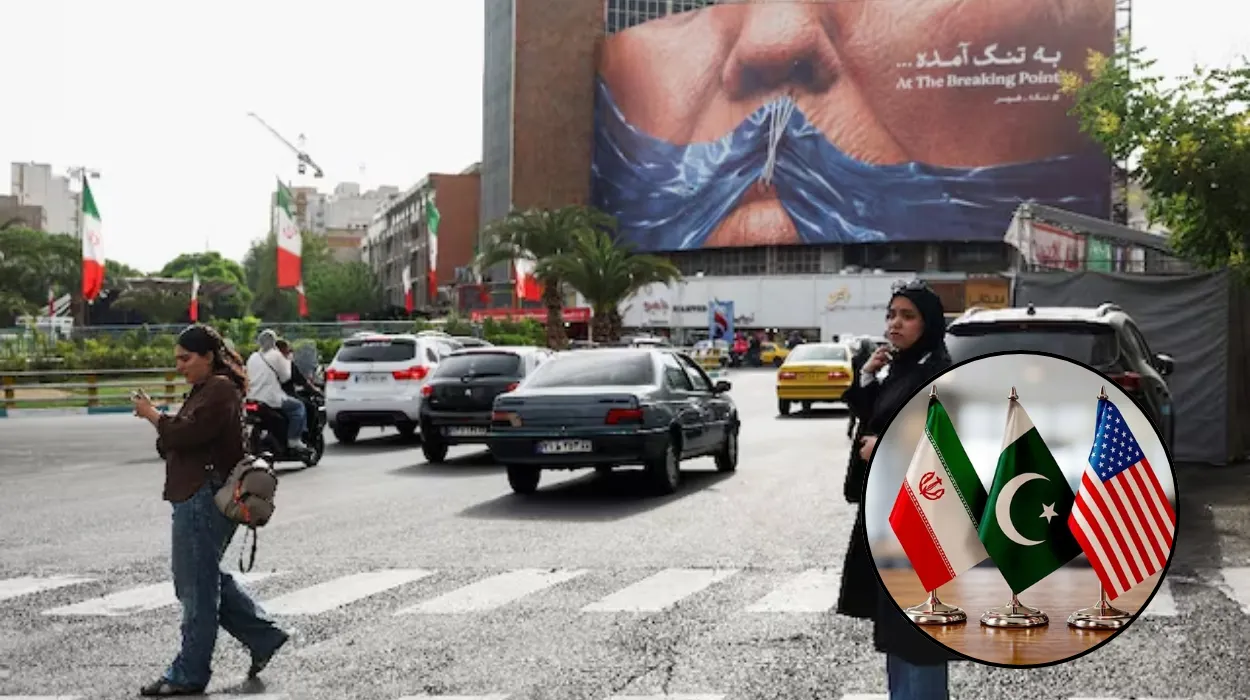
Islamabad (Britain Today News) May 18, 2026 – Pakistan has shared a revised Iranian peace proposal with Washington as backchannel efforts to end the Middle East war remain stalled, according to a Pakistani source familiar with the talks. The source said the sides were still struggling to narrow their differences and warned that time was running short. Iranian officials said their position had been passed to the American side through Pakistan, while Washington had not immediately commented.
Why is Pakistan still central to the talks?
Pakistan has emerged as the main channel between Tehran and Washington since hosting the only round of peace talks last month, and officials are still using that route to pass messages. The latest proposal was described as revised, but a Pakistani source said the process remained difficult because both sides repeatedly adjusted their positions.
“We don’t have much time,”
the source said, adding that the two countries
“keep changing their goalposts”.
What does the Iranian proposal include?
According to the senior Iranian source cited in the reporting, the proposal is intended to start with a ceasefire and practical steps rather than immediate resolution of the most disputed issues. The first stage would focus on ending the war, reopening the Strait of Hormuz and lifting maritime sanctions. The more sensitive questions around Iran’s nuclear programme and uranium enrichment would be postponed to later rounds of negotiations. That approach appears designed to build momentum through partial measures before tackling the hardest issues.
Has Washington softened its position?
The senior Iranian source said the United States had shown some flexibility, including an agreement to release a quarter of Iran’s frozen funds held in foreign banks. Iran, however, wants all of those assets released. The same source also said Washington had become more open to allowing some peaceful nuclear activity under supervision by the International Atomic Energy Agency. Iran’s Tasnim news agency separately reported that the U.S. had accepted waiving oil sanctions while negotiations were ongoing, though Iranian officials did not immediately confirm that detail.
What has Iran said publicly?
Iranian Foreign Ministry spokesperson Esmaeil Baghaei said Tehran’s views had been conveyed to the American side through Pakistan but did not provide details of the proposal. He also said Iran was ready for all scenarios and warned that Tehran could respond appropriately to even a small mistake from the other side. His comments came as talks remained fragile and as both sides continued public messaging around the negotiations. The Iranian side has also maintained that sanctions relief and compensation concerns remain important in any settlement.
Explore More about World:
Trump Rejects China’s Role in Iran War as Hormuz Tensions Rise, IEA Warns of Oil Shortfall 2026
Morocco Adopts New Rules for Medical, Pharmacy, and Dental Students in 2026
What is Trump saying?
Donald Trump has taken a hard line in public remarks and on Truth Social, where he wrote that “the Clock is Ticking” for Iran and urged it to move fast. He added that
“there won’t be anything left of them”
if they do not act quickly. Reuters also reported that Trump is expected to meet top national security advisers to discuss options for resuming military action. That stance has added pressure to already strained diplomacy.
Why does the Strait of Hormuz matter?
The Strait of Hormuz remains central to the talks because it is one of the world’s most important energy chokepoints. The Iranian proposal would prioritise reopening the waterway and lifting maritime sanctions before moving on to nuclear questions. Washington has previously demanded that Tehran allow shipping through the strait and dismantle its nuclear programme. Iran, by contrast, has wanted compensation for war damage, an end to the blockade of its ports and broader relief across fronts including Lebanon.
How fragile is the ceasefire?
The ceasefire is being described as fragile after six weeks of war that followed U.S.-Israeli airstrikes on Iran. Trump has said the ceasefire is “on life support,” reflecting the instability around the truce and the stalled diplomatic track. The gap between the two sides remains wide on the core issues, even though both are still exchanging messages through Pakistan. The current talks therefore appear less like a breakthrough and more like an effort to prevent further escalation.
What happens next?
The next phase appears to depend on whether Washington and Tehran can narrow their differences quickly enough to preserve the ceasefire and keep negotiations alive. If the sides hold their positions, the risk of renewed military escalation could rise again. For now, Pakistani mediation remains the key channel for communication. Baghaei’s warning that Iran is ready for all scenarios suggests Tehran is preparing for both diplomacy and confrontation.