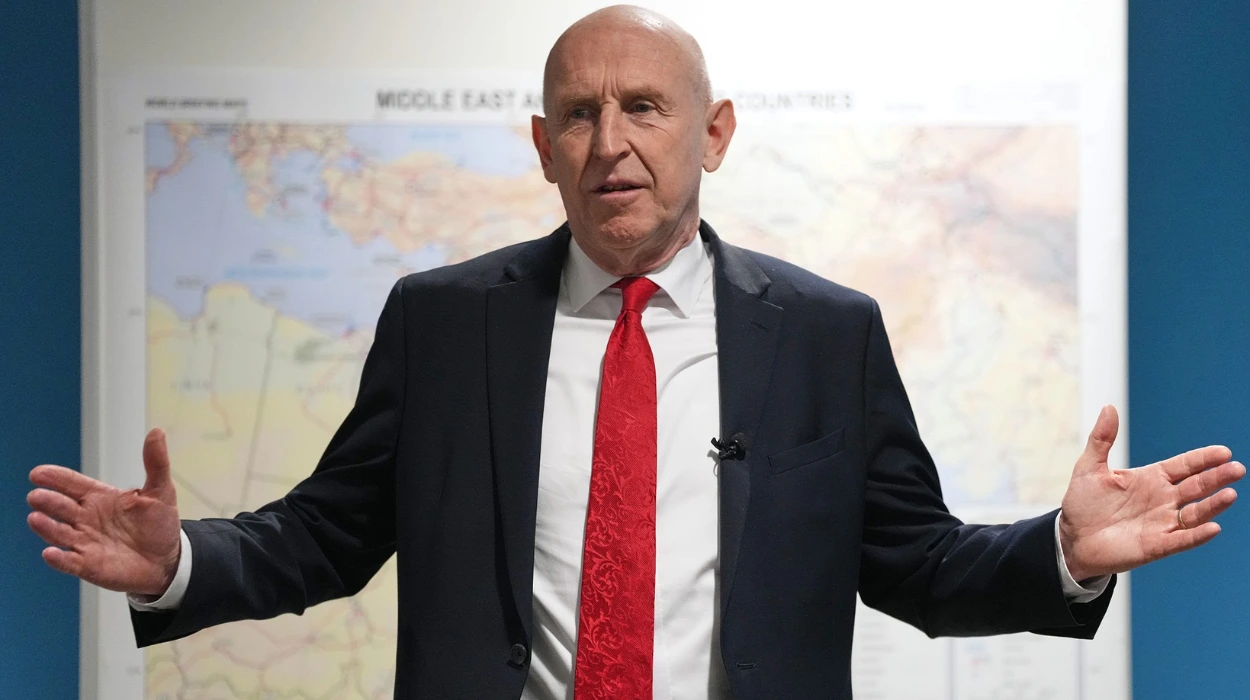
John Healey resigned as UK Defence Secretary on June 11, 2026, after accusing Prime Minister Keir Starmer of failing to commit resources needed to defend the country amid rising threats. Healey stated the Treasury’s proposed £15 billion defence investment fell “considerably short” of the £18 billion he requested and what is necessary during this perilous period.
- Who is John Healey and what was his role as Defence Secretary?
- What is the Defence Investment Plan and why was it delayed?
- How much does the UK currently spend on defence and what are the future targets?
- What specific funding disagreement caused the clash between Healey and Starmer?
- What global security threats are influencing UK defence spending debates?
- What military readiness issues has the UK faced during this controversy?
- What was Rachel Reeves’ position as Chancellor on defence funding?
- What were the immediate consequences of Healey’s resignation for Starmer’s government?
- What does this controversy reveal about UK defence policy challenges?
Who is John Healey and what was his role as Defence Secretary?
John Healey is a 65-year-old British politician appointed Secretary of State for Defence on July 5, 2024, serving under Prime Minister Keir Starmer’s Labour government. He was elected MP for Rawmarsh and Conisbrough in July 2024, having previously served as Shadow Defence Secretary from 2020 to 2024 under Starmer.
Healey’s political career spans nearly three decades. He was first elected as MP for Wentworth in 1997 and served in the Blair-Brown governments from 2001 to 2010. During Labour’s time in government under Tony Blair and Gordon Brown, he held multiple ministerial positions including Adult Skills Minister, Treasury Minister, Local Government Minister, and Housing Minister. He later served as Shadow Health Secretary (2010-2011) and Shadow Housing Secretary (2015-2020) in Ed Miliband and Jeremy Corbyn’s shadow cabinets.
Born in Wakefield and educated at Christ’s College, Cambridge, Healey began his career as a journalist and campaigner before entering politics. Throughout his tenure as Defence Secretary, he prioritised supporting Ukraine in its war against Russia, improving UK Armed Forces’ housing conditions, and arguing for stronger protection for military personnel and civilians experiencing sexual assault or domestic abuse. He consistently advocated higher military spending and closer cooperation with NATO allies.
What is the Defence Investment Plan and why was it delayed?
The Defence Investment Plan (DIP) is a long-delayed blueprint designed to translate Britain’s Strategic Defence Review into actual spending commitments for the armed forces, representing a 10-year transformation of Britain’s defence. The plan was due to be released shortly before Healey’s resignation but had been stalled since last autumn with no set release date.
The delay resulted from months of locked talks between Britain’s defence and finance ministries over how to meet rising demands to expand military spending. Defence Secretary John Healey requested around £18 billion from the Treasury, but Chancellor Rachel Reeves took weeks to approve anything above £12 billion. Prime Minister Starmer eventually exerted significant pressure on the chancellor to consent to an additional £15 billion in spending, partially supported by cuts of about 1% to other departments’ capital budgets.
This delay infuriated Britain’s defence industry, which says it cannot invest in long-term programmes for the country’s security at a time of huge geopolitical volatility. The situation has damaged UK credibility, with MPs calling for a government apology amid reports that the navy’s hunter-killer submarines are all docked. Reports suggested defence officials identified a multibillion-pound funding gap between ambitions outlined in Britain’s Strategic Defence Review and available resources to implement them.
How much does the UK currently spend on defence and what are the future targets?
The UK currently spends approximately £62.2 billion annually on defence in 2025/26, with government plans to increase this to approximately £73.5 billion by 2028–2029, representing an average real-terms increase of 3.8% annually. Totalling the planned Ministry of Defence spends for each year between 2025/26 and 2028/29 gives a figure of £272.2 billion.
In February 2025, the government committed to spending 2.5% of GDP on defence from April 2027, with the aim of reaching 3% of GDP by the end of this Parliament in 2029. Defence spending is projected to reach 2.4% of GDP by 2025, with an increase to 3.5% anticipated by 2035 in accordance with NATO objectives. At the NATO summit last summer, Starmer agreed to raise defence budgets by approximately £30 billion (35% of GDP) by 2035.
NATO ambassadors of all 32 alliance member states agreed in June 2025 to boost spending on defence and related areas to 5% of GDP by 2035, broken down as 3.5% of GDP spent on pure defence and 1.5% of GDP on related areas including infrastructure and cyber security. The UK aims to increase defence spending to around 2.5% of GDP, with some MPs advocating a rise toward 3% of GDP in the next parliament to address growing security threats.
| Metric | Current Value | Future Target | Timeline |
|---|---|---|---|
| Annual defence spending | £62.2 billion | £73.5 billion | 2028/29 |
| Defence as % of GDP | 2.4% (2025) | 2.5% | April 2027 |
| Defence as % of GDP | 2.4% (2025) | 3% | 2029 |
| Defence as % of GDP | 2.4% (2025) | 3.5% | 2035 |
| NATO collective target | N/A | 5% total (3.5% defence + 1.5% related) | 2035 |
What specific funding disagreement caused the clash between Healey and Starmer?
The core funding disagreement centered on Healey requesting £18 billion for defence investment while Treasury Chancellor Rachel Reeves initially approved only £12 billion. This £6 billion gap represented the fundamental conflict between defence priorities and fiscal constraints.
In the end, Starmer exerted significant pressure on Reeves to consent to £15 billion in spending rather than the full £18 billion requested. The additional £15 billion package was partially supported by cuts of about 1% to other departments’ capital budgets. Healey stated in his resignation letter to Starmer that the DIP financial settlement, which he was first given in full on Monday afternoon of that week,
“falls well short of what is required for defence and the country at this dangerous time”.
Healey’s letter explicitly stated:
“You have been unable, and the Treasury has been unwilling, to commit the resources that the nation needs to defend the country at this time of rising threats”.
The anticipated Defence Investment Plan fell
“considerably short of what is necessary for defence and our nation during this perilous period”
according to Healey’s correspondence. Some reports indicate defence officials called for £28 billion over the next four years, far exceeding the £15 billion package Starmer and Reeves agreed to.
What global security threats are influencing UK defence spending debates?
The UK faces rising geopolitical tensions including Russia’s aggression in Ukraine and instability in the Middle East, which are influencing calls for stronger military capability and faster procurement. This week, the UK’s armed forces alerted that the nation faces unprecedented threats, the most severe since the Cold War.
Britain’s defence industry says it cannot invest in long-term programmes for the country’s security at a time of huge geopolitical volatility as the United States pivots away from protecting Europe. The war in Ukraine has been nearly four years long, with Healey prioritising efforts to support Ukraine against Russia throughout his tenure as Defence Secretary.
Financial stagnation has persisted for months as a decade-long defence investment plan has been stalled since last autumn. Forces have been stripped back since the Cold War, but political stasis is dangerous in the face of growing global threats. During Healey’s tenure, he was a vocal supporter of Ukraine and consistently advocated for stronger military capability.
What military readiness issues has the UK faced during this controversy?
The Royal Navy currently has zero attack submarines available for operations, with all five of its Astute-class hunter-killer boats docked for maintenance or technical issues. All five Astute-class submarines—HMS Astute, Ambush, Artful, Audacious, and Anson—are alongside, leaving Britain without a single operational nuclear-powered attack submarine for the first time in recent memory.
These Astute-class submarines are responsible for safeguarding the Vanguard submarines that carry nuclear Trident missiles. The First Sea Lord has mandated the development of a recovery plan to prevent maintenance delays and enhance readiness following these maintenance issues. The Mail on Sunday revealed that all five submarines are out of commission for maintenance and repair.
This week, the UK’s armed forces warned that threats faced by Britain are greater than at any time since the Cold War, coinciding with all five Astute class submarines remaining docked and unable to operate. The complete fleet of hunter-killer submarines is currently confined to port, leaving the UK vulnerable to potential aggression from Russia under Vladimir Putin. MPs have called for a government apology amid these reports, stating delays to the defence investment plan have damaged UK’s credibility.
What was Rachel Reeves’ position as Chancellor on defence funding?
Rachel Reeves serves as Chancellor of the Exchequer in Keir Starmer’s Labour government and took weeks to approve anything above £12 billion when Healey requested £18 billion for defence. Reeves ruled out borrowing more to fund the government’s multibillion-pound defence investment plan, instead indicating she would rather raise taxes.
Reeves has indicated the government could raise taxes to fund an increase in defence spending amid growing concerns over Britain’s ailing military. She warned that pressures to fund defence are “only going in one direction”. In the Spring Statement, Reeves promised significant belt tightening, proposing to reduce state operational costs by 15%, worth £2 billion by the end of the decade.
The government will provide an additional £2.2 billion for the Ministry of Defence starting in the next financial year according to Reeves’ statement. Reeves stated that £2.6 billion in day-to-day spending savings in 2029-30 would fund more capital-intensive defence commitments. On June 10, 2026, Reeves opened the door to tax rises to pay for defence spending.
Explore More about Politics:
Andrea Jenkyns profile, mayor role and recent headlines
Carol Vorderman Biography, Career Journey and Latest News
What were the immediate consequences of Healey’s resignation for Starmer’s government?
John Healey’s resignation on June 11, 2026, represents a major blow to Prime Minister Keir Starmer’s government, highlighting significant internal conflicts within the Labour government regarding military spending. The resignation occurred amid ongoing wrangling over the long-awaited defence spending plan, with the prime minister and chancellor reportedly arguing for a £15 billion package.
Conservative shadow defence secretary James Cartlidge said Healey had “done the decent thing” by resigning, claiming he had been left with no choice. Cartlidge urged the Government to scrap their Chagos deal to save money and accused Healey of “failing to deny £2.6 billion of cuts” for the MoD while in government.
Rows over the defence investment plan have badly harmed cabinet relations, with sources saying the much-delayed DIP is close to sign-off but only after some of the Labour government’s worst infighting. The delay has created tension between defence and finance ministries that has persisted for months. Deputy Prime Minister David Lam told Parliament that Starmer’s commitment to increasing defence spending to 3% of national income was “absolutely sacrosanct under this government”.
What does this controversy reveal about UK defence policy challenges?
This controversy reveals a rhetoric-to-reality gap on UK military power, where political commitments to increased defence spending face fiscal constraints and Treasury resistance. The government has described the DIP as a plan for the “10-year transformation of Britain’s defence” under which spending will rise to 2.5 per cent and then 3 per cent of GDP, but the actual funding settlement falls short.
Any plans to water down the defence investment plan would make the UK look “chaotic” and would play into the idea that Britain is a “faded power,” according to former British Army officer and CEO of strategic advisory firm Sibylline, Justin Crump. The difference between £15 billion and £18 billion is less than £1 billion a year over 4 years, yet this gap triggered a ministerial resignation.
The situation demonstrates that Britain’s defence and finance ministries have been locked in talks for months, delaying Britain’s planned defence investment plan since last year. Financial stagnation has persisted as political stasis continues in the face of growing global threats. The government is committing to a “generational increase” in defense funding, providing an additional £270 billion throughout this parliamentary session according to an MoD spokesperson.
This controversy underscores the fundamental challenge of balancing defence spending, technological modernisation, economic priorities, and international alliances in an increasingly unstable global environment. The Ministry of Defence believes it will require an extra £28 billion over the next four years to address the funding gap between Strategic Defence Review ambitions and available resources.