Key Points
- The 2026 TCS London Marathon set a new world record for the largest number of finishers in a marathon, with 59,830 runners crossing the line, according to Guinness World Records.
- The previous benchmark for finishers had been set by the TCS New York City Marathon in November 2025.
- Kenyan runner Sabastian Sawe won the men’s race in 1:59:30, becoming the first man to run a sub-two-hour marathon in an official competitive race.
- Tigst Assefa defended her title and broke her own women-only world record with a time of 2:15:41.
- Three women finished under 2:16 in the same race for the first time in marathon history.
- Guinness World Records said 38 record titles were broken from 71 attempts during the event.
- The records included a wide range of achievements, from athletic milestones to runners overcoming serious health conditions and others completing the course in costumes.
- Dozens of runners from Swindon and across Wiltshire took part, contributing to the record-breaking total and raising money for charities supporting local causes.
- Mark McKinley of Guinness World Records praised the scale of the achievement and congratulated all participants.
- Hugh Brasher, chief executive of London Marathon Events, said the combination of elite performances and mass participation showed the event’s unique appeal.
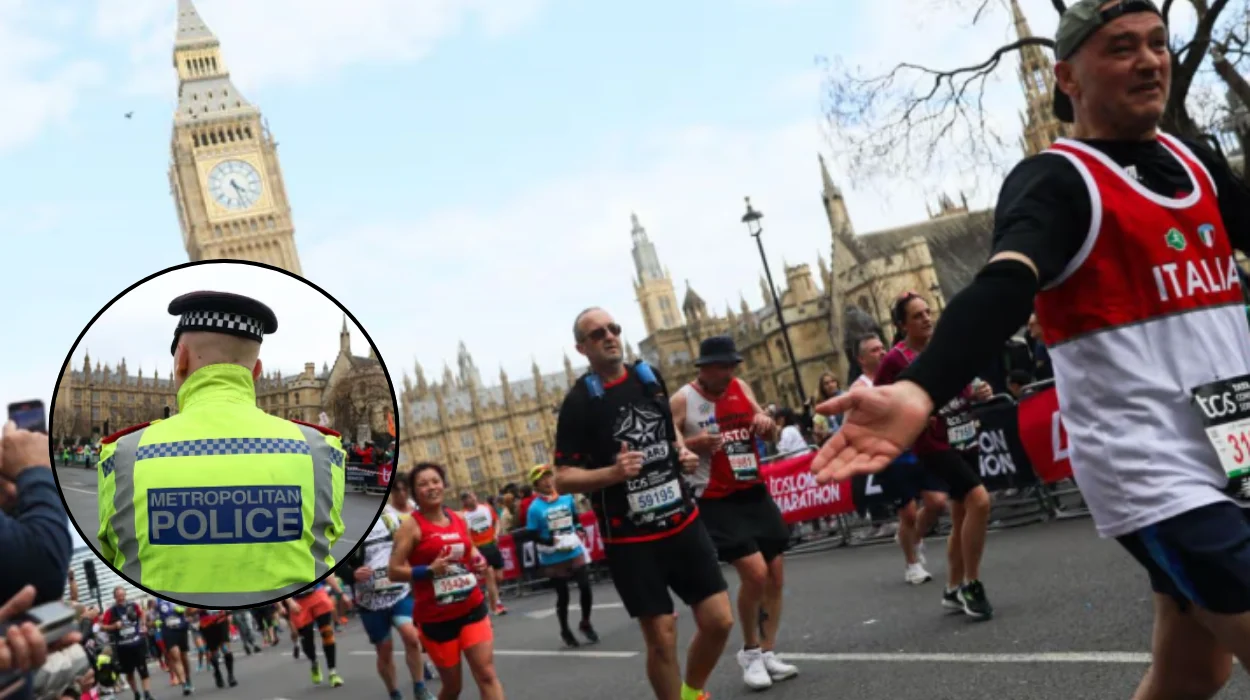
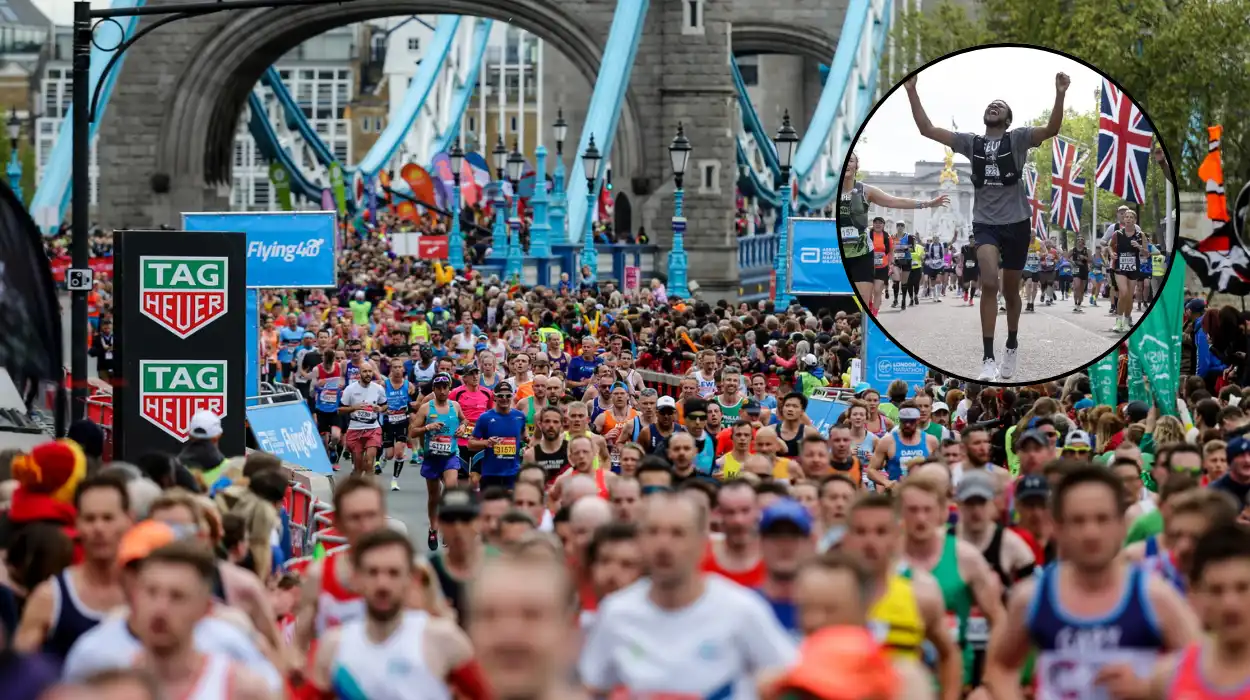
Swindon (Britain Today News) – April 29, 2026 – The 2026 TCS London Marathon delivered a day of sporting history, global records and strong local representation, with runners from Swindon and across Wiltshire among the finishers who helped push the event into the Guinness World Records. Guinness World Records confirmed that 59,830 runners crossed the finish line, the highest number ever recorded in a marathon, overtaking the previous mark held by the TCS New York City Marathon. For local participants, the achievement was not simply a statistic; it was a shared moment in a race that blended elite excellence, mass participation and charity fundraising on an extraordinary scale.
What record did London Marathon 2026 break?
According to Guinness World Records, the marathon set the title for the largest number of finishers in a marathon, with 59,830 athletes completing the course. The total also placed London at the top of one of running’s most important participation milestones, underlining the event’s continued status as a global sporting showcase. The finishers’ record was one of several headline achievements on a day when both elite runners and everyday entrants left their mark.
Hugh Brasher, chief executive of London Marathon Events, said the race had written sporting history. As quoted by London Marathon Events, he said the event showed “sporting and marathon history” was set because of the performances at the front of the field and the huge numbers who completed the course. He added that the scale of participation highlighted the inspirational nature of the race and the strength of its appeal to runners of all standards.
How did the elite races unfold?
The men’s race produced one of the most significant performances in modern marathon history, as Sabastian Sawe of Kenya won in 1:59:30 and became the first man to run a sub-two-hour marathon in an official competitive race. His run was described by Guinness World Records as the fastest marathon by a male athlete, and it established a new benchmark in the sport. The result gave the 2026 edition a place not only in London Marathon history but also in broader athletics history.
The women’s race was equally notable, with Tigst Assefa defending her title and breaking her own women-only world record in 2:15:41. Guinness World Records also noted that three women went under 2:16 in the same race for the first time ever, a rare level of depth in the women’s field. Together, the elite performances ensured that the day was remembered as much for quality at the front as for quantity across the whole field.
Why does this matter for Swindon?
Swindon’s runners formed part of the huge amateur turnout that made the record possible, with dozens travelling to London to complete the 26.2-mile route. Their participation helped transform the event from a headline-making race into a community effort involving club runners, fundraisers and first-timers alongside the elite athletes. Many of those from Swindon and Wiltshire were also running for charities linked to local causes, adding a fundraising dimension to the sporting achievement.
That local presence matters because the London Marathon is one of the few global events where grassroots runners can stand on the same stage as world-class champions. For Swindon and Wiltshire entrants, the record was not just set in the abstract; it was made possible by their own effort on the road. The race therefore becomes both a personal challenge and a shared civic moment, especially for the clubs, families and charities that support those runners.
What other records were set?
Guinness World Records said 38 record titles were broken from 71 attempts during the 2026 event. These achievements ranged from serious athletic targets to unusual costume-based efforts, showing how the marathon continues to attract a wide variety of entrants. The records also included runners who overcame serious health conditions, which added a human dimension to the day’s statistics.
London Marathon Events said the race’s partnership with Guinness World Records has continued for nearly two decades, helping expand both participation and accessibility. That relationship has become central to the marathon’s identity, because it links elite performance with mass-participation storytelling. In practice, that means the race is judged not only by who wins, but by how many people can finish, raise funds and set personal goals along the way.
How did organisers respond?
Mark McKinley of Guinness World Records praised the scale of the achievement and congratulated everyone involved. As quoted by Guinness World Records, he said it was
“amazing to see the growth of the London Marathon”
and congratulated the runners for being “officially amazing”. His comments reflected the broader tone of the event, which mixed celebration, admiration and record-setting drama.
Brasher’s remarks echoed that sentiment, stressing that the 2026 race combined historic elite performances with enormous public participation. That combination is what separates London from many other marathons, where the focus often rests only on the winners. Here, the record came from the full field, making every finisher part of the story.
What comes next for runners?
For many Swindon and Wiltshire runners, completing the race will already be the key achievement, regardless of the broader world record. The finishers’ record gives them an additional claim to history, because they were present on the day the marathon reached a new global high-water mark. That will matter to local clubs and charities as they reflect on the event and use it to inspire future entrants.
Attention will now turn to next year’s marathon, where runners from the region are likely to see another opportunity to be part of a landmark occasion. The London Marathon has again shown that it can produce elite sporting history while also giving thousands of ordinary runners a reason to remember the day for the rest of their lives. For Swindon’s participants, that balance between personal effort and collective achievement is what makes the event especially meaningful.