Key Points
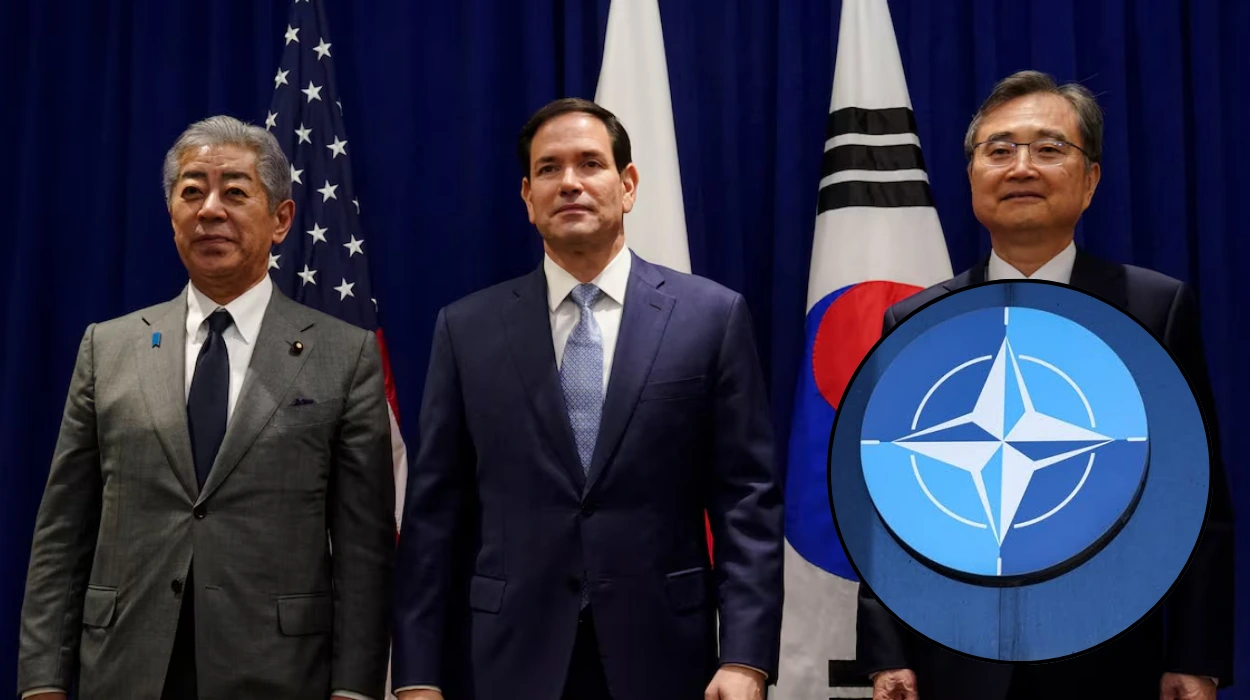
- South Korea’s Foreign Ministry has confirmed that Foreign Minister Cho Hyun will hold trilateral talks with US Secretary of State Marco Rubio and Japanese Foreign Minister Toshimitsu Motegi in Ankara.
- The meeting will take place on Tuesday evening, on the sidelines of the 2026 NATO summit in Turkey.
- It is the first trilateral foreign ministers’ meeting between the three countries this year, following their last encounter at the APEC summit in Gyeongju, South Korea, in October last year.
- The agenda is expected to cover North Korea-related issues, regional and global affairs, and ways to strengthen trilateral security and economic cooperation.
- South Korean President Lee Jae Myung is attending the NATO summit at the invitation of Secretary General Mark Rutte, marking his second multilateral summit since taking office.
- Japanese Prime Minister Sanae Takaichi is expected to skip the summit, meaning a three-way leaders’ summit involving Lee, US President Donald Trump and Takaichi is not expected to take place.
- Seoul is also expected to pursue separate bilateral talks with Washington and other partner nations while in Ankara.
- The meeting comes against a backdrop of deepening cooperation between North Korea, China and Russia, which has unsettled Washington and its regional allies.
- The NATO summit itself is unfolding amid tension over defence spending targets, the war in Ukraine, and fallout from the recent US-Iran conflict.
Ankara (Britain Today News) July 07, 2026 — The top diplomats of South Korea, the United States and Japan are set to meet in Turkey on Tuesday for talks covering North Korea-related issues, regional and global affairs, and ways to deepen trilateral security and economic cooperation, according to Seoul’s Foreign Ministry.
- Key Points
- Who Are the Officials Meeting in Ankara?
- When and Where Will the Trilateral Talks Take Place?
- Why Is the Meeting Being Held on the Sidelines of the NATO Summit?
- What Is on the Agenda for the Talks?
- Why Is This the First Trilateral Meeting of the Year?
- Why Won’t a Three-Way Leaders’ Summit Take Place This Year?
- What Wider Security Concerns Are Shaping the Discussions?
- What Other Global Challenges Are Likely to Feature in the Talks?
- What Other Diplomatic Engagements Is South Korea Pursuing in Ankara?
- What Is the Broader Context of This Year’s NATO Summit?
- How Does This Meeting Fit Into the Wider NATO Summit Agenda?
- What Happens Next for the Three Allies?
Who Are the Officials Meeting in Ankara?
Foreign Minister Cho Hyun is scheduled to hold trilateral talks with US Secretary of State Marco Rubio and Japanese Foreign Minister Toshimitsu Motegi. The three top diplomats represent governments that have, in recent years, sought to present a united front on North Korea policy and on wider security challenges facing the Indo-Pacific region. Cho took up his post under President Lee Jae Myung’s administration and has been central to Seoul’s efforts to balance its alliance with Washington against its economic and diplomatic ties with Beijing. Rubio, in his capacity as US Secretary of State, has been a leading voice on Washington’s approach to NATO this year, while Motegi represents Tokyo’s foreign policy establishment at a moment when Japan’s own political leadership is in transition.
When and Where Will the Trilateral Talks Take Place?
According to the Foreign Ministry, the three ministers are due to meet on Tuesday evening in Ankara, on the sidelines of the North Atlantic Treaty Organization summit. The NATO leaders’ gathering itself runs across two days, Tuesday and Wednesday, at Turkey’s Presidential Complex in the capital. The choice of Ankara as this year’s venue is notable in itself: it marks only the second time Turkey has hosted a NATO summit, the first having been in Istanbul in 2004.
Why Is the Meeting Being Held on the Sidelines of the NATO Summit?
Holding the trilateral talks alongside the NATO summit allows all three foreign ministers to meet without arranging a separate, standalone visit, since each will already be present in Ankara for the wider gathering. President Lee Jae Myung is attending the summit at the invitation of NATO Secretary General Mark Rutte, and Cho is accompanying him as part of the South Korean delegation. For Washington and Tokyo, the summit similarly draws senior officials to one location, creating a natural opportunity for the three allies to coordinate outside the main NATO agenda. Sidelined ministerial meetings of this kind have become a regular feature of major multilateral gatherings, allowing allied governments to conduct focused diplomacy without the logistical burden of dedicated summits.
What Is on the Agenda for the Talks?
Seoul’s Foreign Ministry said the discussions are expected to focus on issues related to the Korean Peninsula, along with broader regional and global developments and trilateral security and economic cooperation. In its statement describing the gathering, the ministry noted that it will be “the first trilateral foreign ministers’ talks among the three countries to be held this year,” underlining the significance officials are placing on the encounter. Although a detailed agenda has not been made public, the talks are expected to address coordination of North Korea policy amid ongoing concerns about Pyongyang’s nuclear and missile programmes and its expanding military cooperation with Russia.
Why Is This the First Trilateral Meeting of the Year?
The three top diplomats last met on the sidelines of the Asia-Pacific Economic Cooperation summit in the south-eastern South Korean city of Gyeongju in October of last year. Since then, changes in political leadership across the three countries, along with a packed international calendar dominated by conflicts in the Middle East and Ukraine, appear to have delayed a fresh trilateral gathering until now. The Ankara meeting therefore represents the first formal opportunity this year for Seoul, Washington and Tokyo to reset and reaffirm their three-way coordination at the ministerial level.
Why Won’t a Three-Way Leaders’ Summit Take Place This Year?
Japanese Prime Minister Sanae Takaichi is expected to skip this year’s NATO summit, meaning a three-way summit among President Lee Jae Myung, US President Donald Trump and Takaichi is not expected to take place in Ankara. Officials have indicated that this absence makes the ministerial meeting all the more important, as it becomes the primary vehicle for reaffirming the momentum of trilateral cooperation between the three governments in the absence of a full leaders’ gathering. It also means that, for now, the task of sustaining and advancing the trilateral relationship falls chiefly to the foreign ministers rather than the heads of state and government.
What Wider Security Concerns Are Shaping the Discussions?
The meeting comes as North Korea, China and Russia have been deepening diplomatic, economic and security cooperation in recent years, a trend that has raised concerns in Washington and among its allies about a shifting security landscape in Northeast Asia and beyond. Pyongyang’s advancing nuclear and missile programmes, combined with its growing military ties with Moscow, are expected to feature prominently in the ministers’ discussions. The three governments have repeatedly stressed the need for coordinated responses to these developments, both to deter further provocations from North Korea and to limit the strategic benefits Pyongyang might draw from closer alignment with Beijing and Moscow.
What Other Global Challenges Are Likely to Feature in the Talks?
Beyond North Korea, the ministers are expected to explore ways to further strengthen three-way cooperation amid mounting geopolitical challenges, including the Middle East crisis, Russia’s war with Ukraine, and disruptions to global supply chains. These issues sit alongside a broader push by South Korea to position itself as a more active security partner for the United States and Japan, including as a supplier of advanced weapons systems to like-minded countries. Discussions are also expected to touch on supply chain resilience and cooperation on critical and emerging technologies, such as artificial intelligence and semiconductors, reflecting the expanding scope of trilateral cooperation beyond traditional security matters.
What Other Diplomatic Engagements Is South Korea Pursuing in Ankara?
South Korea is also expected to seek bilateral high-level talks with the United States and other partner nations on the sidelines of the NATO summit, in order to discuss pending issues including security consultations and other bilateral matters. President Lee Jae Myung’s presence in Ankara marks his second multilateral summit since taking office, following last month’s Group of Seven meeting in Canada. Although no bilateral summit between Lee and Trump has been officially announced, attention has focused on whether the two leaders will hold talks on the margins of the gathering, given the scale of issues currently facing the US-South Korea relationship.
Explore More about World:
Explosions Near Macron’s Hotel During Syria Visit Raise Security Fears
Millions Mourn Khamenei as Iran’s Funeral Fuels Revenge Calls, US Standoff
What Is the Broader Context of This Year’s NATO Summit?
This year’s NATO summit is taking place against a particularly strained backdrop for the alliance. US Secretary of State Marco Rubio has described the Ankara gathering as
“probably one of the more important leaders’ summit[s] in the history of NATO,”
reflecting frustration in Washington over how some European allies responded to recent US military operations in the Middle East. Divisions among member states, along with continued pressure from President Trump for allies to lift defence spending, have added further tension to preparations for the summit. Turkey’s hosting of the event follows extensive infrastructure and security preparations in Ankara ahead of the two-day gathering, which is expected to draw heads of state and government from across the alliance, alongside partner nations such as South Korea and Japan.
How Does This Meeting Fit Into the Wider NATO Summit Agenda?
While the trilateral talks between Seoul, Washington and Tokyo sit outside NATO’s formal agenda, they take place within a summit that has already been shaped by months of preparatory diplomacy. NATO foreign ministers laid groundwork for the Ankara gathering at a meeting in Helsingborg, Sweden, in May, where discussions centred on defence spending targets, stronger defence-industrial production and continued support for Ukraine. That earlier meeting set the tone for a summit at which European allies had hoped to present a broadly positive account of progress made since the previous year’s gathering, having reached earlier spending targets and made headway towards more ambitious future goals. For South Korea, Japan and the United States, the Ankara summit therefore offers a chance to align their own trilateral priorities with the wider direction the alliance itself is taking on defence spending, industrial capacity and support for Ukraine, even though their meeting addresses a different region and a different set of security concerns.
What Happens Next for the Three Allies?
Following Tuesday’s trilateral talks, attention is likely to turn to how Seoul, Washington and Tokyo translate their discussions into concrete follow-up action, particularly on North Korea policy and defence-industrial cooperation. With no confirmed date yet for a full three-way leaders’ summit, the ministerial-level meeting in Ankara is expected to serve as the main marker of trilateral coordination for the remainder of the year. Officials from all three countries are likely to face continued questions over how they intend to respond jointly to North Korea’s expanding ties with Russia and China, as well as how they plan to balance these security priorities against broader economic and technological cooperation. Observers following the alliance’s summit have also pointed to South Korea’s wider defence-industrial ambitions, noting that Seoul is keen to demonstrate its value as a supplier and partner to both Washington and NATO more broadly, even as it processes a recent setback in a major submarine procurement competition abroad, where a South Korean-led consortium lost out to a European bidder. How that broader ambition intersects with the outcomes of Tuesday’s talks is likely to become clearer only in the weeks following the summit, once the three governments have had time to assess what, if any, concrete commitments emerge from Ankara.