Key Points
- The French coastguard rescued more than 100 people after a dinghy broke down in the English Channel.
- A woman lost consciousness during the attempted boarding and had to be evacuated by helicopter.
- The so-called “taxi boat” was spotted heading east along the coast towards Wimereux in the early hours of Sunday morning.
- The dinghy later failed during the crossing, forcing 106 migrants on board to be transferred to a rescue ship and taken to Calais.
- The incident came less than a week after the UK and France signed a three-year agreement worth £662 million to curb small-boat crossings.
- The Home Office said the deal would fund patrols and enforcement on French beaches, with extra money conditional on results.
- More than 6,000 migrants have arrived in the UK by small boat so far this year, according to Press Association analysis of Government figures.
Calais (Britain Today News) April 27, 2026 – The French coastguard has rescued more than 100 people after a dinghy broke down in the English Channel, in an incident that underlines the continuing pressure on Britain and France to curb small-boat crossings. The rescue came as the UK and France have only just agreed a new funding deal aimed at disrupting departures from French beaches.
What happened in the Channel?
As reported by the Associated Press in coverage carried by ESPN, the dinghy was being used in a so-called “taxi boat” operation designed to avoid police detection. The tactic involves a vessel travelling along the coast with only a driver, before migrants wade into the water at a pre-designated point and board the boat. In this case, the vessel was spotted moving east along the coast towards Wimereux during the early hours of Sunday morning.
The French maritime authority said several people encountered difficulty while trying to climb aboard. Among them was a woman who lost consciousness and needed to be airlifted by helicopter for urgent evacuation. After the dinghy broke down, 106 migrants were moved onto a rescue ship and then taken to Calais, French authorities said.
Why is the taxi boat tactic used?
The “taxi boat” approach is part of a wider smuggling model intended to reduce the chance of interception by police. Rather than launching with passengers already aboard, the craft travels close to shore and collects people from beaches or shallower water at a chosen point. That method can make it harder for officers to stop the operation before migrants enter the sea.
This latest incident shows how even when patrols are in place, smugglers continue to adapt their methods. The attempt also highlights the dangers faced by migrants, particularly when overcrowded dinghies are used in difficult sea conditions. The Channel remains one of the most dangerous migration routes in Europe, and rescue operations are frequently required when boats fail or people fall into distress.
What does the UK-France deal say?
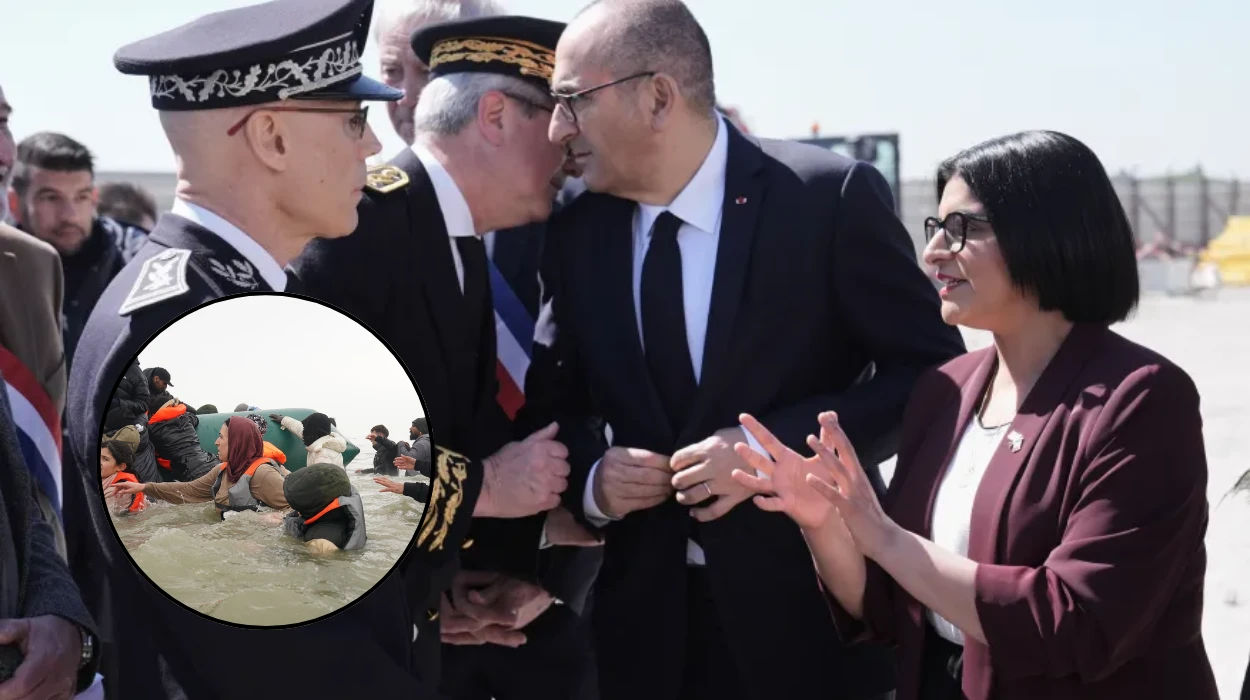
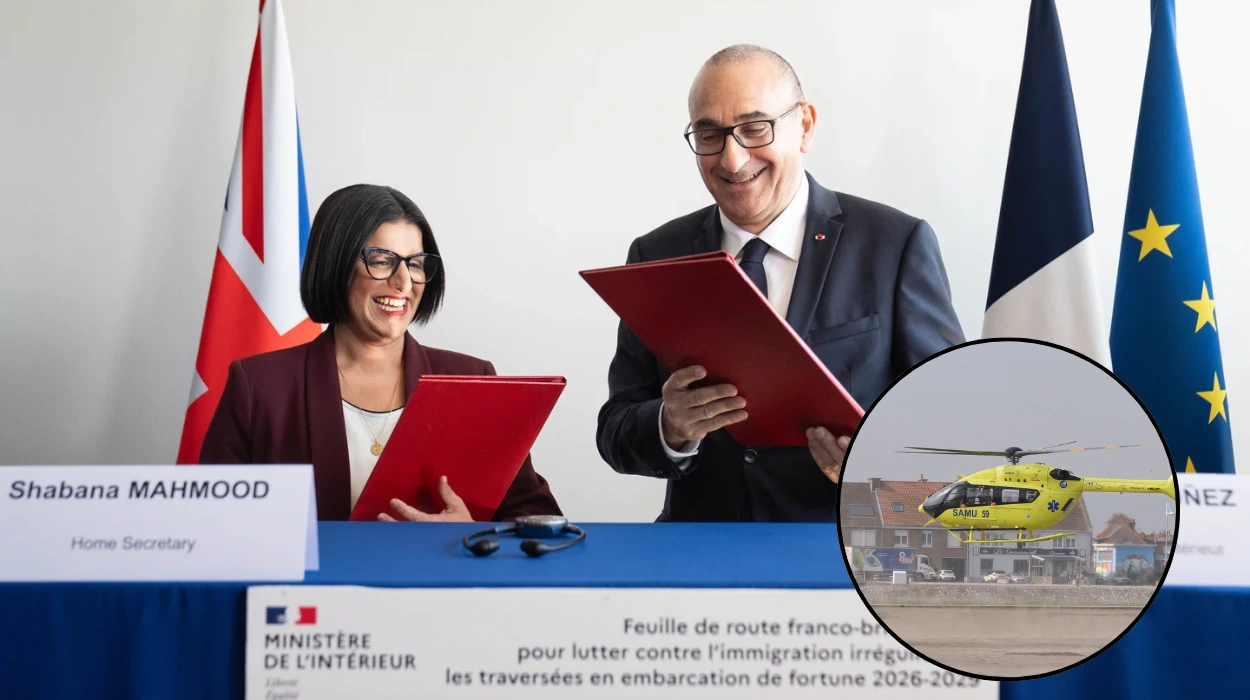
The incident comes shortly after Home Secretary Shabana Mahmood signed a three-year agreement with France on Thursday worth £662 million to support beach patrols and other measures to reduce crossings. According to the Home Office, the arrangement will see officers “targeting and detaining” migrants on the French coast in order to remove hundreds of small-boat migrants from beaches every year before they can enter the water. The UK will provide £501 million to fund five police units and enforcement activity on French beaches.
An additional £160 million will only be paid if new tactics prove successful in curbing Channel crossings. The Home Office said that if the efforts fail, the extra funding will stop after a year. Ministers have not set specific targets to judge whether the deal works, leaving its success to be measured more broadly by outcomes on the ground.
How many people have crossed this year?
Press Association analysis of Government figures shows that more than 6,000 migrants have arrived in the UK by small boat so far this year. That figure is 36% lower than at the same point last year, suggesting arrivals have slowed compared with previous months. Even so, the total remains substantial and continues to place pressure on border and asylum systems.
The same analysis shows that more than 70,000 migrants have arrived since Sir Keir Starmer became Prime Minister. That wider total gives a sense of the scale of the issue facing the government, which has made reducing crossings a major political priority. The latest rescue therefore arrives at a sensitive moment for ministers seeking to show that the France deal will have a practical impact.
What happened in Dover on Saturday?
On Saturday, a group of more than a dozen people, including women and children, were seen being brought into the Border Security Command compound in Dover after being picked up in the Channel. That image reinforced the continuing human dimension of the crossings, with families and vulnerable people among those attempting the journey. It also showed that rescue and processing operations continue on both sides of the Channel as crossings persist.
The Dover incident and the French rescue together illustrate the constant movement of migrants, smugglers and enforcement teams across a heavily monitored maritime route. Even with more resources and diplomatic agreements, the route remains active. The latest “taxi boat” episode suggests that enforcement pressure may change smuggling tactics, but it has not eliminated them.
What does this mean for border policy?
The rescue will likely intensify scrutiny of whether the new UK-France deal can deliver measurable results. Supporters of the agreement may argue that more patrols and targeted enforcement will reduce departures before boats reach open water. Critics, however, are likely to point to the latest rescue as evidence that smugglers can still launch boats and place lives at risk despite fresh commitments.
The fact that the deal includes conditional extra funding suggests both governments recognise the difficulty of the problem. Yet the absence of specific targets may also make it harder to assess success quickly or consistently. For now, the Channel continues to see dangerous crossings, emergency rescues and political pressure on both sides of the water.