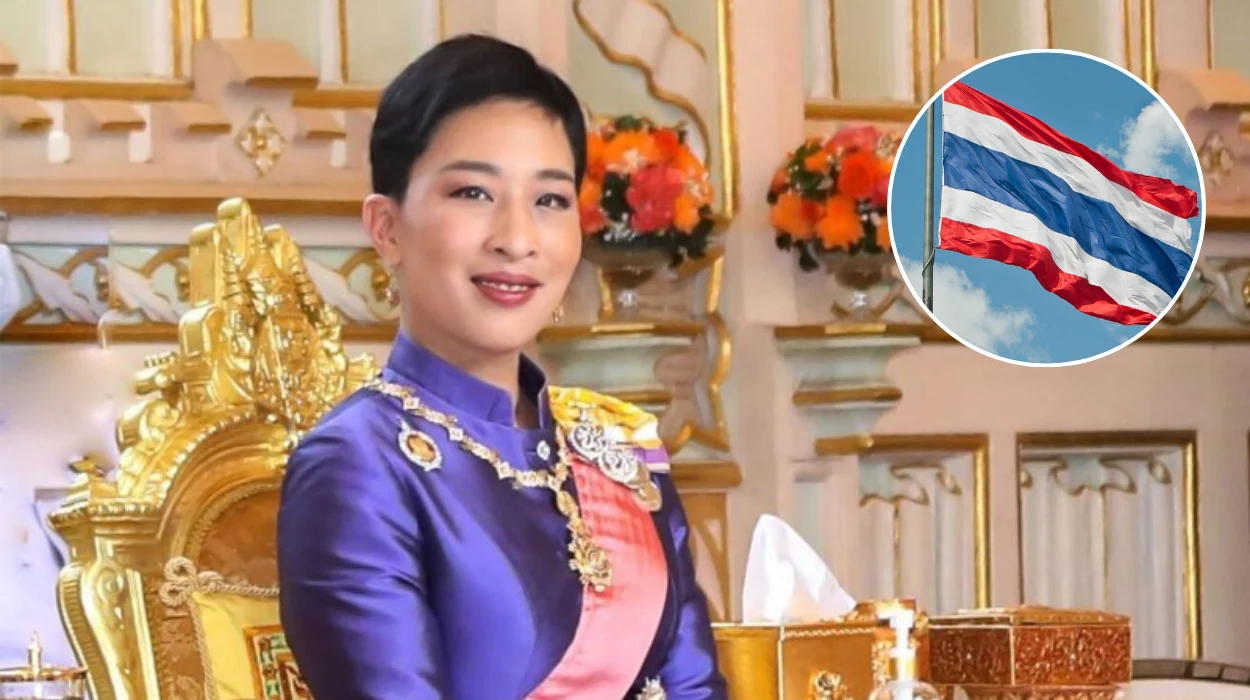
Key Points
- Princess Bajrakitiyabha, 47, eldest child of King Vajiralongkorn, died Thursday evening in a Bangkok hospital
- The Royal Household Bureau announced her death on Friday after she had been in a coma for more than three years
- She collapsed while out walking her dogs in December 2022 due to a heart condition
- Princess died at Chulalongkorn Hospital despite the very best efforts of medics
- Medical team provided “closest and most intensive care possible” but condition continued to decline progressively
- Second in line to Thai throne behind 21-year-old half-brother Prince Dipangkorn, though nothing was official
- Held rank of general and chief of staff in Royal Security Command of Thailand which guards the king
- Qualified lawyer with two graduate degrees from Cornell University in New York
- Previously worked at Thai mission to United Nations in New York and Thai Attorney-General’s office in Bangkok
- Served as Thailand’s ambassador to Austria between 2012 and 2014
- Vocal advocate for reform of Thailand’s criminal justice system, emphasizing treatment of offenders convicted of minor drug crimes
- Advocated for at-risk women in country with some of highest global incarceration rates for both categories
- Appointed as U.N. Office on Drugs and Crime Ambassador for Rule of Law for southeast Asia region
- Prior to illness, tipped as best candidate to succeed King Vajiralongkorn as queen or potentially as regent
- Prince Dipangkorn has been reported to be “highly unsuited” to the role according to The Guardian
- King Vajiralongkorn divorced Bajrakitiyabha’s mother Princess Soamsali in 1991, but she retains royal title
- Dipangkorn’s mother Srirasmi Suwadee had royal title taken away amid corruption allegations against her family
- Tough lese majeste laws make public speculation regarding Thai monarchy, including succession discussion, a criminal offense
Bangkok (Britain Today News) June 12, 2026 – Princess Bajrakitiyabha, the second-in-line heir to the Thai throne and eldest child of King Vajiralongkorn, died on Thursday evening at Chulalongkorn Hospital in Bangkok after spending more than three years in a coma following a sudden heart condition that collapsed her while she was walking her dogs in December 2022.
- Key Points
- How Did Princess Bajrakitiyabha Collapse in December 2022?
- What Was Princess Bajrakitiyabha’s Position in the Royal Family?
- What Were Princess Bajrakitiyabha’s Academic Credentials?
- Where Did Princess Bajrakitiyabha Work Before Her Royal Duties?
- What Diplomatic Role Did Princess Bajrakitiyabha Hold?
- How Did Princess Bajrakitiyabha Advocate for Criminal Justice Reform?
- What UN Appointment Did Princess Bajrakitiyabha Receive?
- Who Was Considered Best Candidate to Succeed King Vajiralongkorn?
- What Is the Family Background of Princess Bajrakitiyabha?
- Why Is Public Discussion of Thai Monarchy Restricted?
- What Happened After Princess Bajrakitiyabha’s Death Announcement?
- How Will Princess Bajrakitiyabha’s Death Impact Thai Succession?
- What Legacy Will Princess Bajrakitiyabha Leave?
- What Medical Treatment Did Princess Bajrakitiyabha Receive?
The Royal Household Bureau confirmed the 47-year-old princess’s death in an official statement released Friday, stating that despite
“the very best efforts of medics at Chulalongkorn Hospital in the capital where she had been a patient since collapsing while out walking her dogs in December 2022,”
her condition continued to deteriorate progressively over the past three years.
“The medical team provided the closest and most intensive care possible, but her condition continued to decline progressively,”
the palace statement disclosed, emphasizing the exhaustive medical interventions attempted throughout her lengthy hospitalization.
How Did Princess Bajrakitiyabha Collapse in December 2022?
As reported by the journalist of BBC News, Princess Bajrakitiyabha was out walking her dogs in a peaceful afternoon routine when she suddenly collapsed from what was later diagnosed as a severe heart condition. The incident occurred in December 2022, marking the beginning of her three-year medical ordeal that would ultimately conclude with her death at age 47.
Emergency services transported her immediately to Chulalongkorn Hospital, one of Thailand’s most prestigious medical facilities in the capital, where she was admitted as a patient and placed under intensive care. The hospital has served as the primary treatment center for royal family members for decades, equipped with advanced medical technology and specialized cardiac care units.
What Was Princess Bajrakitiyabha’s Position in the Royal Family?
Princess Bajrakitiyabha was a senior member of the royal family and held the distinguished rank of general and chief of staff in the Royal Security Command of Thailand, the military unit responsible for guarding King Vajiralongkorn. Her military position underscored her critical role in protecting the monarch and maintaining royal security protocols.
Among King Vajiralongkorn’s seven children, Bajrakitiyabha was believed to be second in line to the throne, behind her 21-year-old half-brother Prince Dipangkorn, though nothing was officially confirmed at the time she became ill. The Thai monarchy’s succession rules remain unofficially discussed due to severe legal restrictions.
What Were Princess Bajrakitiyabha’s Academic Credentials?
Princess Bajrakitiyabha was a highly accomplished woman academically and professionally, holding qualifications as a lawyer with two graduate degrees from Cornell University in New York. Her academic achievements distinguished her among the royal family members, demonstrating exceptional intellectual capabilities alongside her royal duties.
Her educational background included advanced legal studies that prepared her for significant professional roles in both Thailand and international organizations. The Cornell University degrees represented years of rigorous academic preparation in law and related fields.
Where Did Princess Bajrakitiyabha Work Before Her Royal Duties?
Prior to her extensive royal responsibilities, Princess Bajrakitiyabha previously worked in New York at the Thai mission to the United Nations, where she represented Thailand’s interests in international diplomatic forums. Her UN mission work involved complex diplomatic negotiations and international relations management.
She also served in the Thai Attorney-General’s office in Bangkok, applying her legal expertise to Thailand’s national legal system and judicial operations. This domestic legal experience provided her with comprehensive understanding of Thailand’s criminal justice system and attorney-General operations.
What Diplomatic Role Did Princess Bajrakitiyabha Hold?
Princess Bajrakitiyabha served as her country’s ambassador to Austria between 2012 and 2014, representing Thai interests in Central Europe and managing bilateral relations between Thailand and Austria. Her ambassadorial tenure covered two years of diplomatic engagement, trade negotiations, and cultural exchange programs.
During her Austrian ambassadorship, she facilitated international cooperation agreements and promoted Thai business interests in the European market. Her diplomatic work strengthened Thailand’s relationships with European nations and enhanced international trade opportunities.
How Did Princess Bajrakitiyabha Advocate for Criminal Justice Reform?
As reported by journalists monitoring Thai legal reform, Princess Bajrakitiyabha became a vocal advocate for reform of Thailand’s criminal justice system with an emphasis on the treatment of offenders convicted of minor drug crimes. Her reform advocacy addressed critical issues in Thailand’s overcrowded prison system and controversial drug sentencing policies.
She particularly focused on at-risk women in a country with some of the highest global rates of incarceration for both minor drug offenders and vulnerable women. Her advocacy highlighted the disproportionate impact of Thailand’s drug laws on women and minor offenders who posed minimal public safety risks.
What UN Appointment Did Princess Bajrakitiyabha Receive?
Her groundbreaking work led to her appointment as the U.N. Office on Drugs and Crime Ambassador for the Rule of Law for the southeast Asia region, recognizing her expertise in criminal justice reform and drug policy. This prestigious UN appointment elevated her international standing as a regional leader in legal reform and drug policy modification.
As the UN Ambassador for Rule of Law, she coordinated regional initiatives addressing drug crime, judicial reform, and human rights protection across southeast Asian nations. Her work influenced policy changes in multiple countries throughout the region.
Who Was Considered Best Candidate to Succeed King Vajiralongkorn?
Prior to being taken ill, Princess Bajrakitiyabha had been tipped as the best candidate to succeed King Vajiralongkorn as queen, or potentially as regent serving alongside Prince Dipangkorn. Royal analysts and political observers considered her the most qualified heir due to her extensive experience, education, and proven leadership capabilities.
Prince Dipangkorn has been reported to be “highly unsuited” to the role of succeeding the king, raising questions about the succession timeline. This assessment created uncertainty about Thailand’s future royal leadership despite legal restrictions on public discussion.
What Is the Family Background of Princess Bajrakitiyabha?
King Vajiralongkorn divorced Bajrakitiyabha’s mother, Princess Soamsali, in 1991, but she remains a key member of the royal family and retains a royal title despite the divorce. Princess Soamsali’s continued royal status demonstrates the Thai monarchy’s approach to maintaining family connections even after marital dissolution.
By contrast, Dipangkorn’s mother, Srirasmi Suwadee, had her royal title taken away amid corruption allegations against her family, creating a stark difference in how the two mothers were treated by the royal institution. This contrasting treatment highlighted the complex political dynamics within the royal family.
Why Is Public Discussion of Thai Monarchy Restricted?
Tough lese majeste laws make public speculation regarding the Thai monarchy, including discussion of the succession, a criminal offense in Thailand. These severe legal restrictions prevent open debate about royal succession, creating uncertainty about the future leadership of Thailand’s monarchy.
The lese majeste laws criminalize any criticism, speculation, or public discussion about the monarchy, including conversations about who should succeed King Vajiralongkorn. This legal framework has prevented transparent succession planning and created potential instability for Thailand’s future royal leadership.
What Happened After Princess Bajrakitiyabha’s Death Announcement?
The Royal Household Bureau’s Friday announcement triggered immediate reactions from Thai government officials and international diplomatic communities, though public discussion remained constrained by lese majeste restrictions. Government figures expressed formal condolences while avoiding speculation about succession implications.
International embassies in Bangkok issued diplomatic statements honoring Princess Bajrakitiyabha’s contributions to Thai-U.N. relations and her criminal justice reform work. Diplomatic communities particularly recognized her UN Ambassador role and her advocacy for drug policy reform throughout southeast Asia.
Explore More about World:
Trump Warns Iran of Severe Military Strikes
EU Deal Set to Make UK More Attractive to Migrants
How Will Princess Bajrakitiyabha’s Death Impact Thai Succession?
Princess Bajrakitiyabha’s death creates significant uncertainty about Thai royal succession, as she was widely considered the most qualified heir despite lacking official designation. Her passing eliminates the candidate many analysts believed best prepared to serve as queen or regent alongside Prince Dipangkorn.
The succession question remains legally unaddressable due to lese majeste laws, preventing public discussion about who will succeed King Vajiralongkorn. This legal restriction creates potential instability in Thailand’s royal leadership transition planning.
What Legacy Will Princess Bajrakitiyabha Leave?
Princess Bajrakitiyabha’s legacy includes her transformative work in criminal justice reform, particularly her advocacy for minor drug offenders and at-risk women in Thailand’s overcrowded prison system. Her UN Ambassador appointment recognized her regional leadership in drug policy and rule of law initiatives.
Her academic achievements, diplomatic service, and military position demonstrated exceptional versatility across multiple professional domains. Cornell University degrees, UN mission work, Austrian ambassadorship, and Royal Security Command leadership created a comprehensive portfolio of royal service.
What Medical Treatment Did Princess Bajrakitiyabha Receive?
The medical team at Chulalongkorn Hospital provided “the closest and most intensive care possible” throughout her three-year hospitalization, employing advanced cardiac treatments and comprehensive medical monitoring. Despite exhaustive medical interventions, her condition continued declining progressively until her death.
Chulalongkorn Hospital’s specialized cardiac care units and intensive care facilities represented Thailand’s most advanced medical capabilities for treating complex heart conditions. The hospital’s royal patient experience included specialized protocols for treating royal family members.
Princess Bajrakitiyabha’s death at age 47 marks the end of a remarkable life dedicated to royal service, diplomatic representation, legal reform, and international advocacy. Her three-year medical ordeal following the December 2022 collapse concluded with her Thursday evening death at Bangkok’s Chulalongkorn Hospital, despite the medical team’s intensive care efforts.
The princess’s legacy encompasses her Cornell University legal education, United Nations mission work, Austrian ambassadorship, Royal Security Command leadership, and transformative criminal justice reform advocacy. Her UN Ambassador appointment for southeast Asia recognized her regional leadership in drug policy and rule of law initiatives.
Princess Bajrakitiyabha’s death creates succession uncertainty for Thailand’s monarchy, as she was widely considered the best candidate to succeed King Vajiralongkorn despite Prince Dipangkorn’s technical position as second-in-line heir. Lese majeste laws prevent public discussion of succession, maintaining legal restrictions on royal speculation.